


The intense online buzz surrounding the viral, limb-bending trailer for the pre-Halloween horror movie Other Mommy generated millions of YouTube views and widespread social media attention. Released exclusively alongside the second-biggest film of the year by Universal, the teaser showcased a derivative scared-child and creepy-demon setup that quickly captured public interest. However, as the release approached, the studio chose to withhold the film from critics until opening day, a strategic move often signaling a lack of confidence that nevertheless predicted a strong box office weekend.
Based on Josh Malerman's acclaimed novel Incidents Around the House, the film underwent a title change and shifted its focus away from a slow burn toward instant spectacle. British director Rob Savage reportedly loaded the production with dozens of jump scares, prioritizing loud jolts and skin-tearing gore over sustained dread. Ironically, the film proves less effective when attempting to shock the audience and far more intriguing during its quieter, character-driven moments.
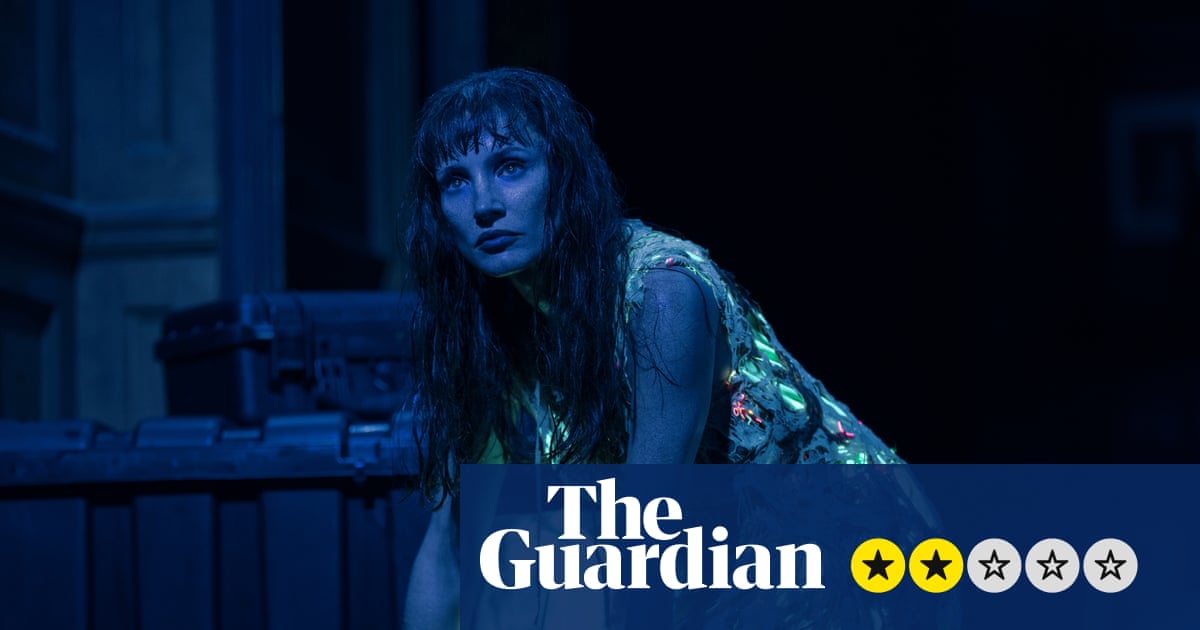
The central menace is a double of working mother Ursula, played by Jessica Chastain, who forms a secret bond with young daughter Bela. This demonic entity seeks to become human by impersonating the mother and tricking the child into a deep emotional connection. Chastain brings an elegant iciness to the dual roles, effectively portraying both a stressed parent struggling to soften at home and an untrustworthy monster learning how to mimic human expressions.
Despite the strong lead performance, the internal logic of the entity grows somewhat scrambled. In trying to convince Bela that she is a loving parent, the demon frequently lapses into ghoulish and monstrous displays that undermine her stated goals. The picture often functions as a loosely connected series of set pieces rather than a cohesive story, leaning into gloopy body horror and high-energy visual effects while dropping smarter psychological concepts.
Screenwriter Nathan Elston establishes an early dynamic where both parents witness the supernatural threat within the opening minutes, but subsequent narrative beats struggle to maintain convincing momentum. Key logical questions regarding police involvement and parental protective instincts are sidelined in favor of funhouse thrills. While the psychological conflict of pitting a child's affections against her actual parents offers genuine tension, the production ultimately rushes toward a noisy, house-rattling finale that softens the bleaker tone of the original book.
Ultimately, a quieter and chillier version of the premise might have delivered lasting psychological dread, but the finished product remains an uneven mess that frustrates more than it terrifies.