


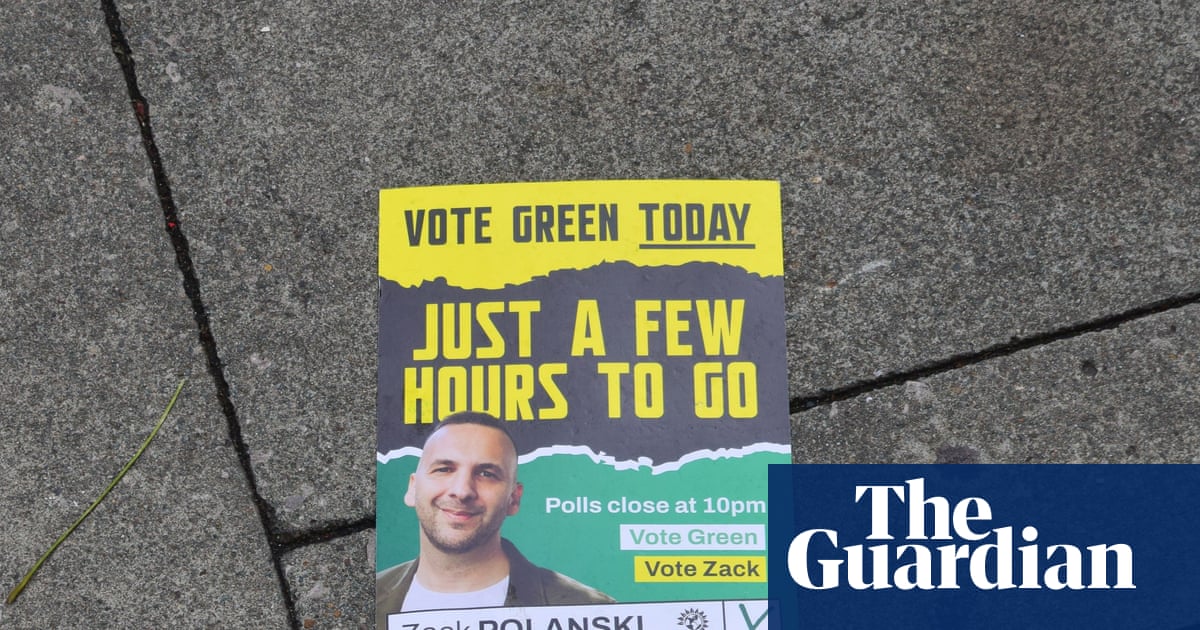
When Zack Polanski celebrated a historic by-election triumph in Gorton and Denton earlier in the year, he boldly proclaimed that Labour's electoral dominance was finished and that the Greens were positioning themselves as a direct replacement. However, following a defeat in the Holborn and St Pancras by-election where Labour secured 45 percent of the vote compared to Polanski's 33 percent, attention has turned sharply toward the leadership itself.
Speaking after the result, a defiant Polanski defended the party's trajectory, noting that the Greens had substantially increased their vote share and achieved their second-best by-election result in history. While acknowledging that party members hold the ultimate authority on leadership, he maintained that he was fully capable of continuing in his role, even as national polls indicate the party has slipped from previous highs of around 21 percent down to roughly 10 or 11 percent.
Recent polling data from More in Common indicates that Polanski has become the least popular major political party leader in the UK, registering a net approval rating of negative 28. His standing has been battered by a succession of controversies, including a failure to pay council tax and the sharing of a social media post critical of police. The situation intensified following a contentious vote at the party conference in Brighton, where delegates adopted a motion equating Zionism with racism.
Polanski chose to abstain from the debate and vote in order to campaign in the north London by-election, drawing criticism from detractors and senior internal figures alike. Former party leader Caroline Lucas publicly stated that he should have been present to cast a vote, though she later tempered her remarks by praising his overall transformation of the party. Meanwhile, Vivien Lichtenstein, leader of Jewish Greens, called for his resignation, citing his absence from the crucial debate as a major miscalculation.
Despite the friction, loyal factions within the party remain supportive. The leftwing group Greens Organise issued a statement insisting that political growth is not linear and backing Polanski as the right leader to guide the ecosocialist movement forward. Supporters also highlighted a 13-point swing from Labour in the constituency and pointed to massive membership growth past 230,000 since Polanski took the helm in September 2025, alongside previous electoral milestones including a mayoral win in Hackney.
Analysts note that the north London result underscores a dual challenge for the leadership. Luke Tryl of More in Common pointed out that while the return of disillusioned progressives to Labour under new leadership aided the governing party, Polanski's recent missteps and polarising stances have alienated softer supporters who primarily associated the Greens with environmentalism.
Nevertheless, political observers suggest that writing off the Green party entirely would be premature, as upcoming national policy decisions and budget battles could still shift the political landscape. Experts argue that if Polanski is to rebuild the momentum that initially attracted young voters seeking change, he may need to pivot away from divisive internal disputes and refocus on broader economic messaging regarding generational fairness.