


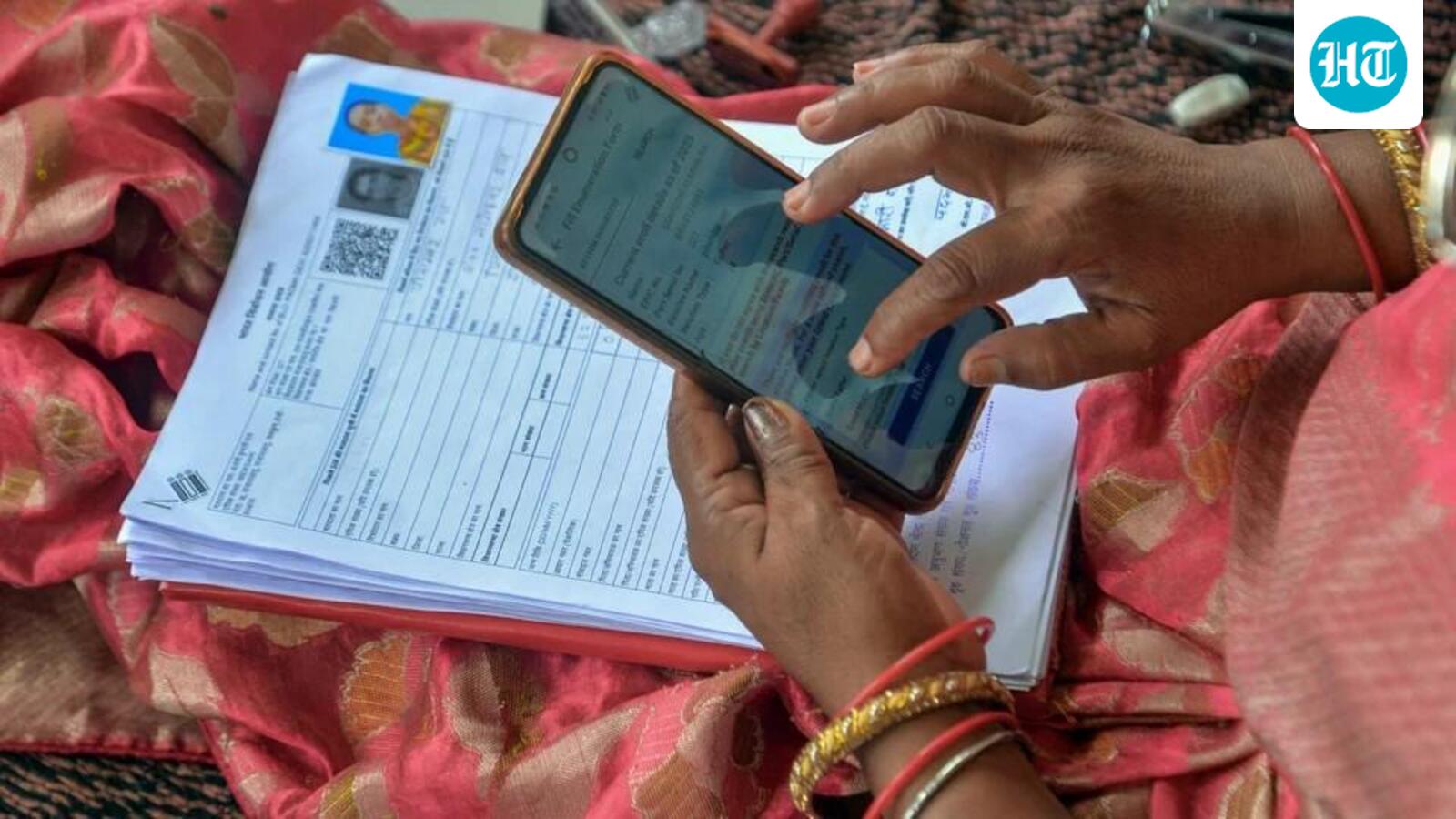
New Delhi: The Election Commission of India on Friday established a restriction on the volume of Form 7 applications an individual elector can submit, explaining that mass objections based on unsubstantiated grounds were creating hardships for voters and placing excessive strain on field personnel. The poll panel instituted these limits amid accusations of coordinated efforts to delete legitimate voters from rolls.
In official directives sent to chief electoral officers across all states and Union territories, the Commission stated that a single elector may file a maximum of 10 Form 7 applications throughout the entire claims-and-objections window. For periods of continuous electoral roll updates, the restriction is set at five applications per month. These thresholds apply uniformly to both digital and physical submissions.
The regulatory body noted that although online filings previously restricted users to six submissions at a time, physical submissions presented in bulk lacked a defined ceiling and relied entirely on the discretion of Electoral Registration Officers. This lack of uniformity introduced considerable difficulties for operational staff on the ground.
Form 7 serves as the official mechanism to object to an entry in the electoral roll or request a name deletion, and its use is restricted strictly to individuals already registered as electors within that specific constituency. Existing guidelines outlined in the Manual on Electoral Rolls already stipulate that mass claims submitted by a single party should not be accepted.
Recently, Form 7 became a major point of contention following suspected misuse documented in states such as Karnataka, Telangana, and Rajasthan. In Telangana, the Congress party brought forward complaints in Hyderabad's Musheerabad constituency, alleging that a local political booth agent had submitted over 30 Form 7 applications targeting members of a single Muslim family for removal. Comparable incidents involving bulk submissions with pre-filled details and missing applicant information surfaced in the Bahadurpura and Goshamahal districts.
Additionally, the poll authority instructed Electoral Registration Officers to reject any applications featuring incomplete information or lacking the objector's authentic signature, emphasizing that official stamps cannot be used as a substitute. Officers are mandated to verify the applicant against the voter registry, issue formal notices, conduct individual hearings for every submitted form, and ensure the affected voter receives an adequate opportunity to present their case before any final decision is made.
In instances where complaints are determined to be fraudulent or fabricated, officials are directed to take legal action pursuant to Section 31 of the Representation of the People Act, 1950, which establishes penalties for submitting false declarations. Meanwhile, for the ongoing Special Intensive Revision, authorized booth-level agents representing recognized political parties continue to be governed by existing limits of 50 forms daily prior to draft publication and 10 forms daily following it.