


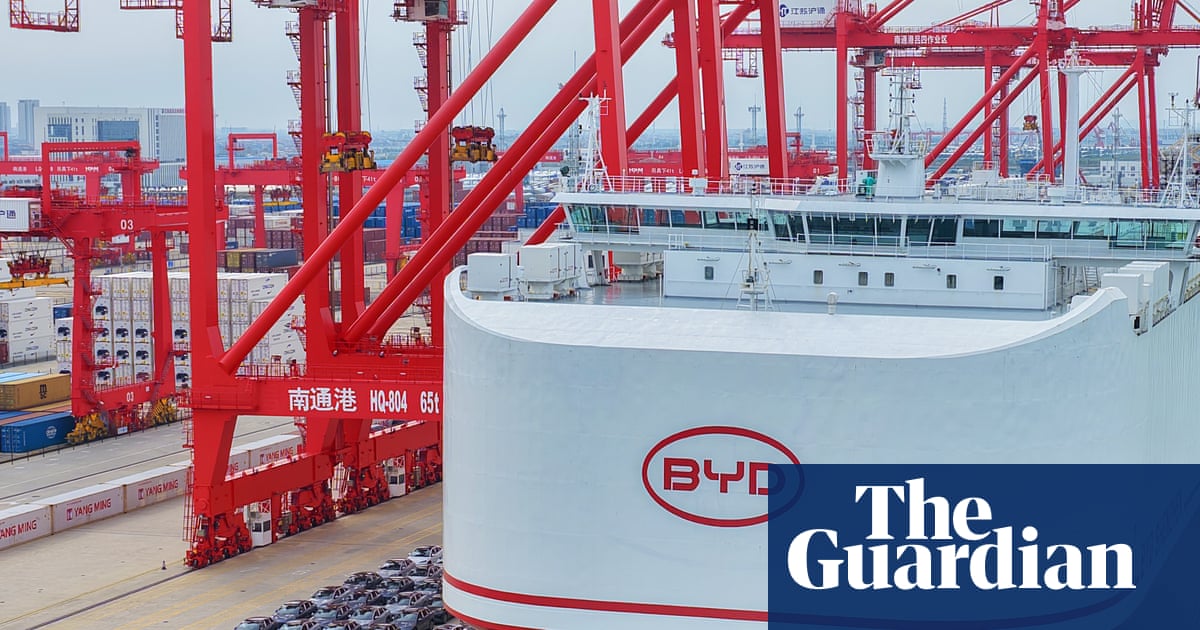
The European Union has announced a landmark agreement with China to significantly reduce sales of hybrid vehicles within the bloc, responding to concerns that surging imports could devastate domestic car manufacturing. Trade Commissioner Maroš Šefčovič stated that the pact resulted from intense negotiations launched in June to address a daily trade deficit of 1.18 billion euros, which has severely strained relations between the major economies.
Speaking at a press conference in Beijing on Friday, Šefčovič noted that the arrangement creates the prospect of slashing Chinese hybrid exports by more than 50 percent. This reduction translates to millions of fewer plug-in and battery-powered hybrid vehicles entering the European market over the upcoming four-year period. He highlighted that Beijing has agreed to moderate its shipments voluntarily, bypassing the protracted investigations typically required before implementing World Trade Organization safeguards.
Chinese vehicle manufacturers have increasingly entered the European market with both hybrids and pure battery-electric vehicles, creating intense competitive pressure for local carmakers. Hybrids, which pair internal combustion engines with compact batteries, are heavily marketed by manufacturers as a bridge toward full electrification. Šefčovič explained that Chinese officials acknowledged the severe political backlash spreading across European member states, where thousands of jobs face elimination due to low-cost imports spanning multiple industries, including textiles and chemicals.
European leaders had signaled an urgent need for decisive intervention by the European Commission, prompting Beijing to engage in a negotiated framework. Šefčovič emphasized that early dialogue is vital because avoiding an all-out trade conflict once it begins proves exceedingly difficult. Prior to this breakthrough, senior EU officials traveled to China seeking a pilot agreement for a single sector that could potentially serve as a blueprint for other vulnerable industries.
The broader 16-point pact encompasses ongoing discussions regarding automotive trade, restrictions on rare earth exports, and expanded market entry for European food and beverage products into China. According to the agreement, both governments will utilize company price undertakings for hybrid vehicles, pointing toward higher minimum price floors for Chinese vehicles distributed in Europe. Šefčovič plans to update European diplomats in Brussels on Sunday ahead of a major leaders' summit scheduled for Thursday.
A formal statement released by China's Ministry of Commerce indicated that Beijing remains prepared to streamline export licensing procedures for rare earths and permanent magnets bound for the EU. The statement also confirmed that both participants reiterated their dedication to managing trade disputes through established WTO guidelines while stabilizing bilateral economic ties. Although acknowledging underlying policy disagreements, the breakthrough establishes a cooperative mechanism to address trade imbalances, beginning with the hybrid vehicle sector.