


Over the past few weeks, a series of strategic moves by the United States and Israel has sparked concern that the two nations could soon resume military strikes against Iran with far greater force than before. With diplomatic negotiations stalled and both sides trading escalating threats, observers warn that the Gulf region may be heading toward a major military showdown.
The timing of any potential action could be heavily influenced by upcoming political events, including elections in Israel and the United States. While leadership changes and congressional control hang in the balance, sharp rhetoric from Washington and Tehran continues to push tensions to new highs. The ongoing friction is further compounded by Iran's refusal to curb its enriched uranium reserves or ensure the unhindered flow of oil through the Strait of Hormuz, a vital waterway accounting for a significant portion of global petroleum trade.
A primary indicator of the shifting posture is the massive naval buildup in the Middle East. The United States has dispatched a third aircraft carrier strike group, the USS Theodore Roosevelt, alongside the USS Makin Island amphibious readiness group. These vessels add thousands of sailors and Marines to the region, complementing carrier groups already stationed there and providing leadership with a wide array of tactical options. Alongside these naval deployments, discussions have touched upon heavy non-nuclear ordnance designed to penetrate heavily fortified and underground structures.
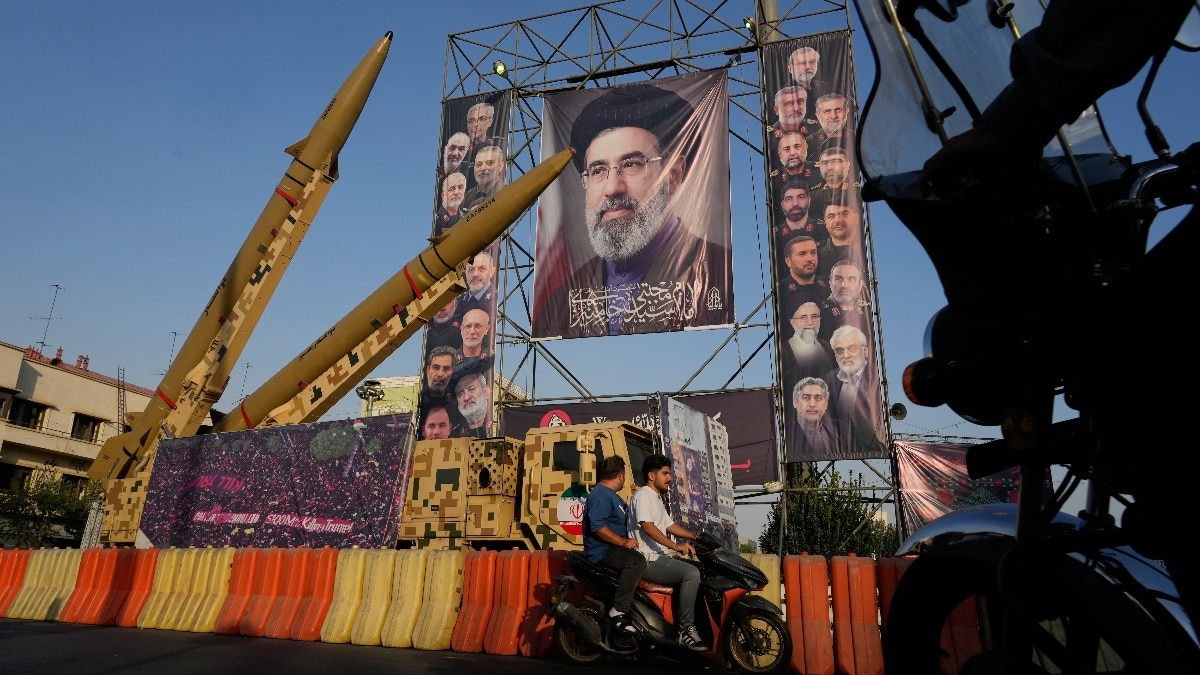
Simultaneously, Iran has ramped up domestic military exercises, including the mass launch of ballistic missiles and public displays of newly developed heavy weaponry. Officials in Tehran have warned that any military escalation will prompt the use of long-range missiles capable of reaching distant logistics hubs. Furthermore, Iranian security leadership has signaled that a future conflict would feature an expanded target set across the Gulf, encompassing vital energy infrastructure, data centers, and regional facilities.
In tandem with these military postures, diplomatic missions have begun taking precautionary measures. Over the past week, US embassies across Saudi Arabia, Bahrain, Qatar, and the United Arab Emirates issued urgent security alerts warning citizens of the potential for rapidly escalating hostilities and sudden airspace closures. The US State Department also ordered certain diplomatic personnel and their families to depart missions in Saudi Arabia amid growing regional friction involving Iran-backed factions.
Other nations are also responding to the volatile environment. India issued advisories urging its nationals in Saudi Arabia to exercise extreme caution following regional aerial attacks, leading to widespread flight cancellations and evacuation efforts for stranded pilgrims. Meanwhile, reports indicate that Israeli fighter jets recently conducted extensive sorties near the Iranian border, following flight paths that analysts suggest align with preparation for potential long-range strike operations.