


New Delhi: Hyundai Motor India is expanding its sport utility vehicle lineup with the scheduled introduction of the Bayon SUV on October 26, 2026. Prospective buyers can now reserve the India-spec model through online portals and authorized dealerships by paying a token amount of Rs 11,000, while customer deliveries are slated to commence during the festive season.
Positioned within the domestic market between the existing Venue and Creta models, the new Bayon will compete directly in the mid-size SUV segment against competitors like the Maruti Suzuki Victoris. The vehicle showcases the manufacturer's latest design aesthetic, featuring a dual-screen cabin layout, a naturally aspirated petrol powertrain, and an advanced Level 2 Pro driver assistance suite.
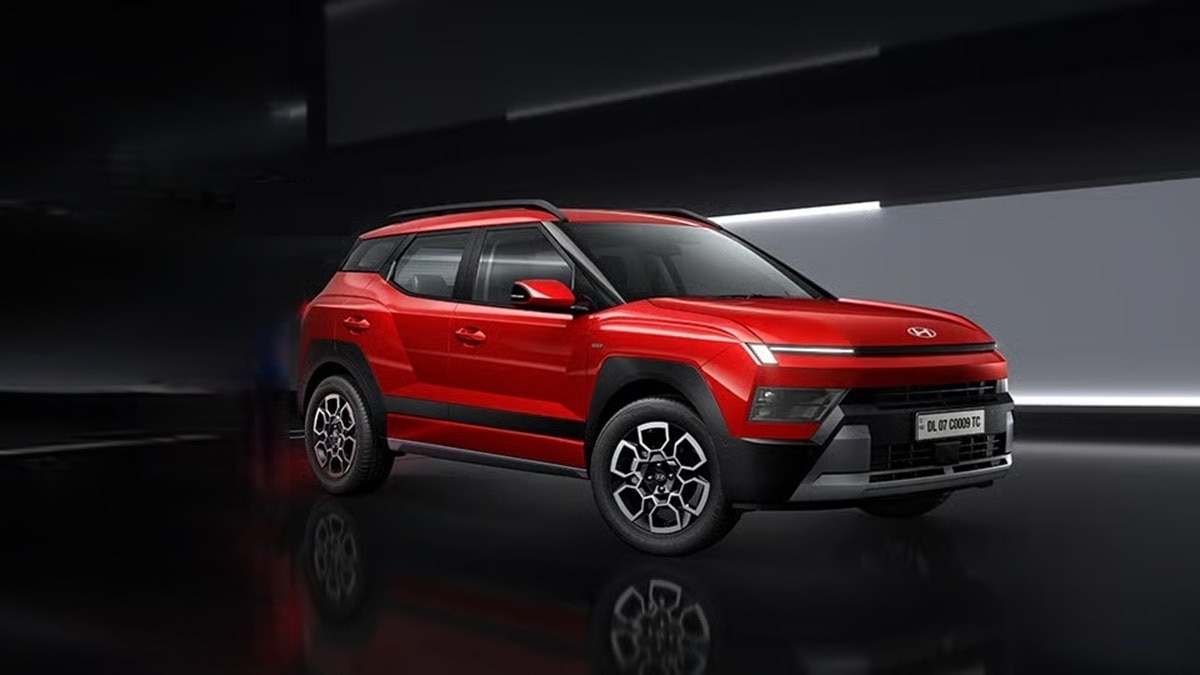
The exterior styling incorporates a layered front fascia complete with a split headlamp configuration, where slim LED daytime running lights sit along the leading edge of the bonnet and primary lamps are housed lower in the bumper. Contrasting black and silver cladding complements the front view, while the profile exhibits pronounced wheel arches, sharp character lines, petal-style alloy wheels, blacked-out pillars for a floating-roof appearance, and traditional pull-type door handles. The rear profile is finished with slim tail-lamp elements connected by a black trim piece, bold Bayon tailgate lettering, a roof spoiler, and a dual-tone bumper.
Inside the cabin, the layout features a curved panoramic setup housing two 12.3-inch displays dedicated to the instrument cluster and infotainment system. Integration of Hyundai's Connected Car Navigation Cockpit, accelerated by NVIDIA, allows for online navigation, split-screen viewing, personalized menus, and quick-access controls. A vertically oriented center console accompanies a separate climate control panel on the dashboard.
Among the technological highlights is Hyundai's inaugural Generative AI Voice Assistant, combining Perplexity intelligence and SoundHound AI voice technology to handle conversational requests regarding the weather, travel itineraries, hotels, and local attractions. Furthermore, the vehicle incorporates Hyundai Bluelink supporting over 70 connected functions, over-the-air update capabilities for up to 19 controllers, and extensive multilingual support featuring 10 regional and two international languages alongside more than 500 embedded voice commands.
Powering the Bayon is a 1.5-litre, four-cylinder, naturally aspirated MPi petrol engine generating 115bhp and 144Nm of torque. Transmission alternatives include a six-speed manual gearbox and an Intelligent Variable Transmission, which features a Dash Boost Mode for enhanced overtaking responsiveness and Sporty Drive Tech for more engaging acceleration. Drivers can also utilize paddle shifters and select between Eco, Normal, and Sport drive modes, though a CNG option has not been announced.
Built on the Global K Enhanced Platform, the SUV prioritizes safety with more than 80 advanced features, including over 35 items provided as standard equipment across all variants. Standard safety gear encompasses six airbags, electronic stability control, and the Hyundai SmartSense Level 2 Pro ADAS package, which utilizes three radars and 12 parking sensors across 23 distinct functions. These driver assistance systems cover forward collision warnings, lane keeping assistance, blind-spot monitoring, rear cross-traffic collision avoidance, surround-view and blind-spot view monitors, and smart cruise control with stop-and-go capabilities.
The vehicle structure utilizes 69% advanced multi-grade high-strength steel, integrating hot-stamped, ultra-high-strength, and high-strength components with multiple load paths and a ring-type architecture designed to absorb and distribute impact forces effectively away from the cabin.