


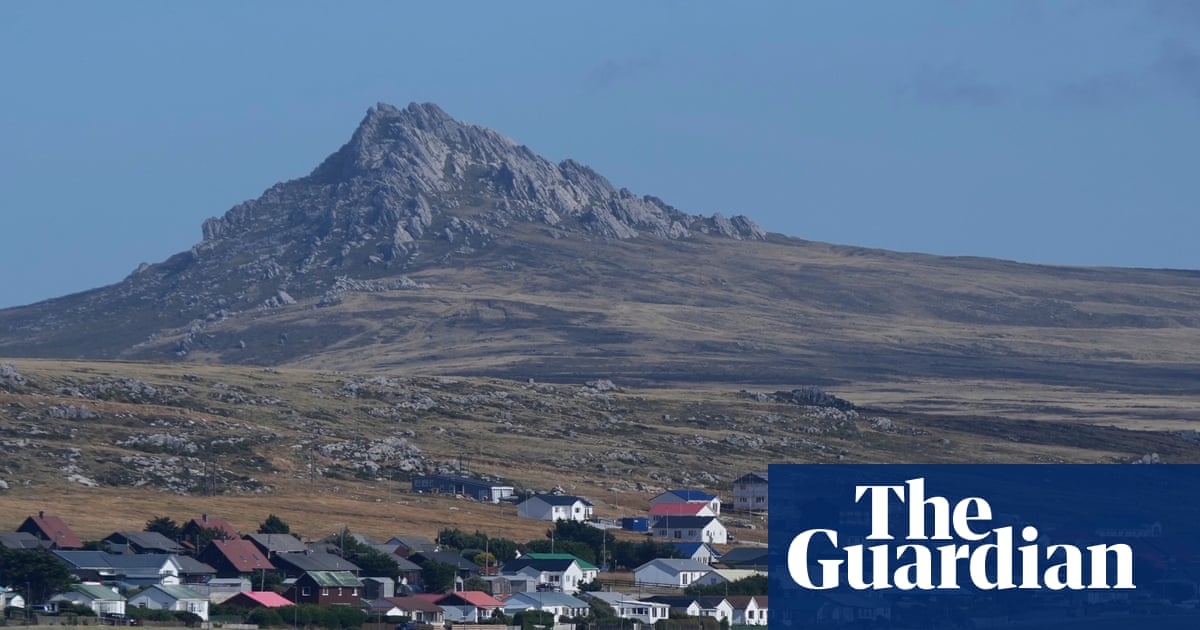
Britain has formally appealed to Interpol to reject potential requests from Argentina for the arrest of individuals involved in a major offshore oil venture near the Falkland Islands. With geopolitical tensions surrounding the British overseas territory escalating to levels not witnessed since the 1982 conflict, UK officials have sought urgent assurances from the international law enforcement organization.
A formal letter was dispatched to Interpol headquarters in Lyon, contending that any red notice requests from Buenos Aires regarding these individuals—including British nationals—should be treated as politically motivated. UK authorities are reportedly concerned that the Argentinian government is attempting to intimidate companies and personnel out of participating in the local economy.
The development centers on the Sea Lion oil project in the north Falklands basin, a South Atlantic development with the potential to triple the islands' gross domestic product. Argentinian President Javier Milei has vowed to halt the initiative, employing a strategy that includes criminalizing project participants and deterring prospective investors.
In response to the British correspondence, Interpol reportedly indicated that it would adhere to article 3 of its constitution, which strictly prohibits the organization from undertaking activities or interventions of a political character. Interpol evaluates red notices to locate and provisionally arrest individuals pending potential extradition, leaving enforcement decisions to individual member countries.
Andrea Clausen, chief executive of the Falkland Islands government, acknowledged that Argentina's utilization of Interpol constitutes a threat but expressed hope that the agency would not take enforcement action. Meanwhile, the UK Foreign Office has been approached for comment as bilateral friction intensifies.
The current diplomatic strain marks a high point in hostility not seen since the 74-day war that followed the 1982 invasion ordered by Argentina's military dictatorship. Argentina maintains its sovereignty claim over the archipelago, dismissing a 2013 referendum where the overwhelming majority of island residents voted to remain a British territory.
Concerns persist that Buenos Aires might convince other Interpol member states that its detention requests are rooted in domestic legislation rather than politics. Milei has already initiated criminal proceedings against the Israeli firm Navitas and its British partner, Rockhopper Exploration, which spearhead the offshore project.
A draft sovereignty bill introduced in the Argentinian congress aims to broaden sanctions to cover corporate affiliates, financial intermediaries, shareholders, and suppliers. The legislation also features clauses that could target participants in the Falklands fishing sector, which forms a vital pillar of the local economy located approximately 300 miles east of the Patagonian coast.
In parallel with its pressure on Interpol, Argentina is expected to escalate the dispute by pursuing arbitration under annex VII of the United Nations Convention on the Law of the Sea regarding the oil development. Buenos Aires contends that the UK is violating UN resolutions by undertaking unilateral modifications to the disputed territory, though British officials remain confident that the tribunal will decline to adjudicate a core sovereignty matter.