


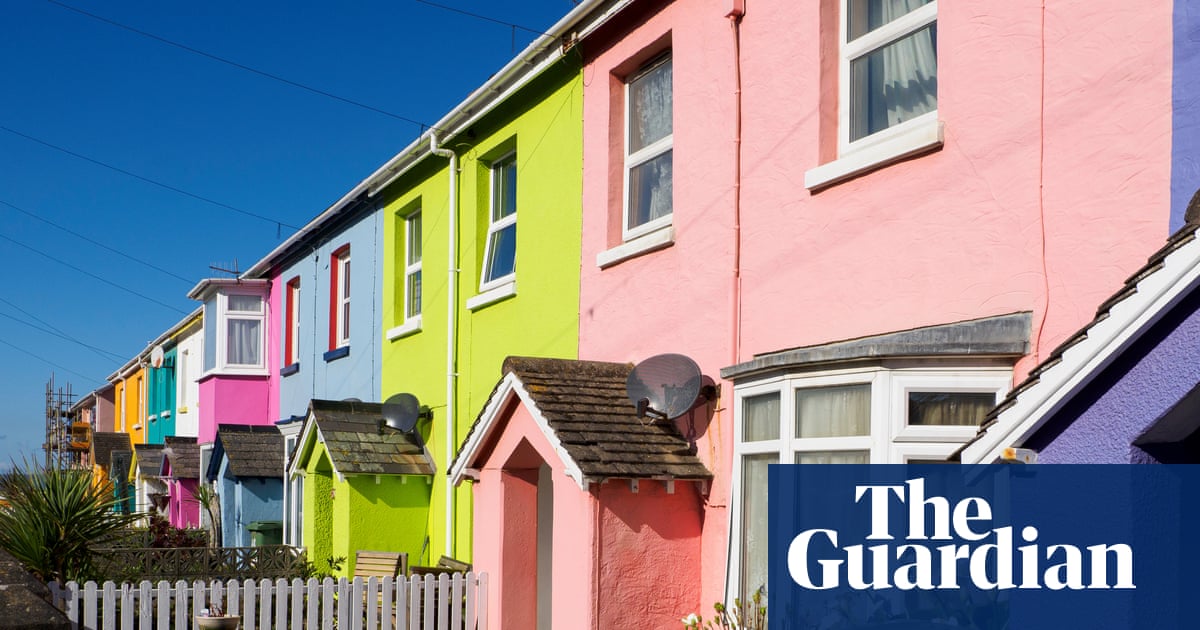
A majority of first-time buyers in the UK are now paying more towards their monthly mortgage bills than they used to pay in rent, according to findings from the estate agent Hamptons. Last month, 56% of new buyers reported that their monthly mortgage expenses exceeded their previous rental costs, marking the highest proportion recorded in at least a decade. On average, these buyers paid £39 more each month.
Mortgage rates in the UK have been climbing since the outbreak of conflict in the Middle East, as volatility in the bond markets drives up swap rates that dictate the pricing of fixed-rate deals. Earlier this month, the average cost of a five-year fixed-rate mortgage reached the 6% threshold for the first time in three years. Financial analyst Moneyfacts reported that the average rate stood at 5.99%, while the average two-year fixed mortgage rate was 5.96%.
Aneisha Beveridge, head of research at Hamptons, noted that when interest rates were low, the financial incentive for tenants to purchase property as quickly as possible was straightforward. However, higher mortgage rates have inverted that equation. While the long-term advantages of homeownership—such as building equity, achieving greater security, and eventually owning a property outright—persist, the immediate monthly savings that once rewarded tenants for making the transition have largely vanished.
First-time buyers in their 40s experienced the most significant increase in housing costs, with 67% taking on mortgages that cost more than their previous rent. For this age group, monthly mortgage expenses were on average 18% higher than their rental payments.
At the same time, rental prices across Great Britain continue to rise. Newly agreed rents climbed by 2.7% on an annual basis in September, marking the fastest pace of growth in nearly two years. The national average rent reached £1,433 per month, up from £1,396 in September of the previous year.
In Greater London, the average monthly rent for new tenancies reached £2,357, representing a 1.5% increase compared with the previous year. The steepest rental growth occurred in the south of England, where the average rose by 3.7% to £1,419 according to Hamptons.
Beveridge explained that while higher rents have primarily impacted tenants moving to new homes so far this year, continued growth is likely to affect more existing tenants in the coming months as the gap between new and existing rents widens.