


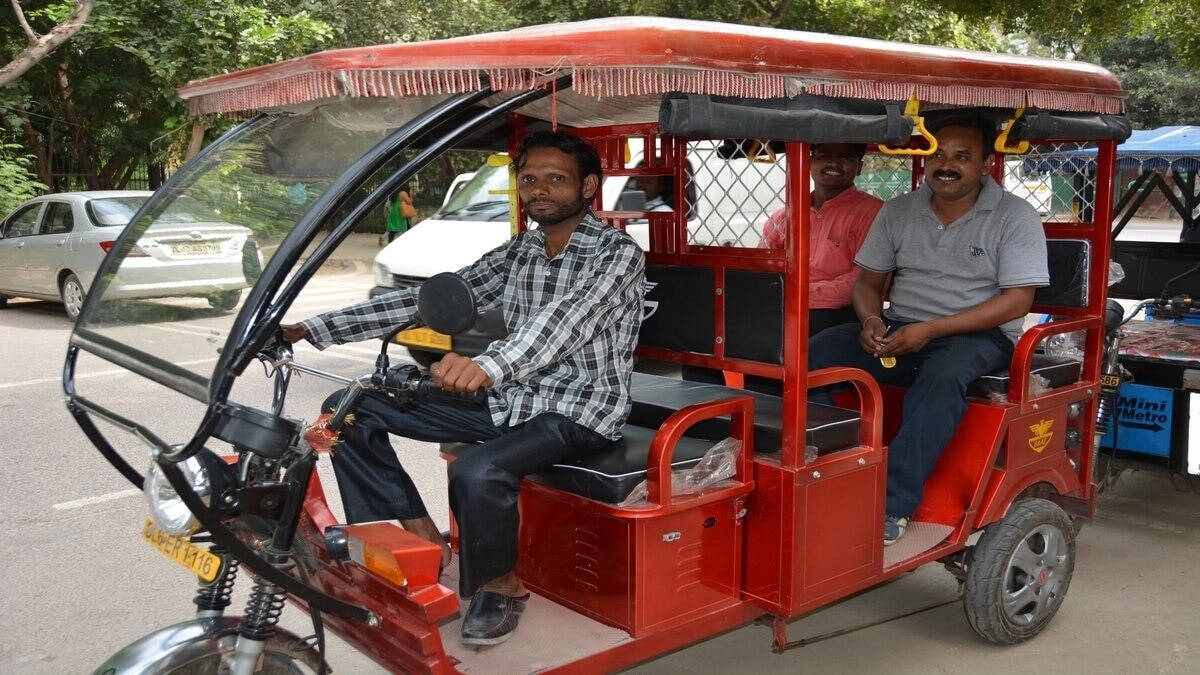
The Delhi government has proposed capping the passenger capacity of e-rickshaws at four individuals, a regulation that could significantly change the common practice of carrying seven to eight schoolchildren in a single vehicle. This measure forms part of the newly introduced draft Delhi E-Rickshaw Scheme, which addresses passenger counts, driver qualifications, vehicle speeds, registration frameworks, and overall safety protocols. Authorities have opened a 30-day window for the public and relevant stakeholders to submit suggestions and objections regarding the draft rules, which are not yet legally binding.
Under the outlined framework, e-rickshaws would be restricted to a maximum of four passengers in addition to the driver. Transporting a passenger in the front seat next to the driver or permitting anyone to ride standing up would be strictly banned. If enacted, this cap will force parents, schools, and drivers to reassess current local student transport methods. Furthermore, the draft suggests limiting top vehicle speeds to 25 kilometers per hour and restricting motor power to 2,000 watts.
The proposed framework also mandates that operators hold a valid driving license along with a Public Service Vehicle badge to guarantee that only qualified individuals operate these vehicles on public roads. Total e-rickshaw numbers across the capital would be capped at 2.5 lakh. Individual owners would be permitted to possess up to five vehicles, whereas qualifying organizations could register as many as 100. Every vehicle would need a digital compliance certificate valid for two years, and current owners would receive a 90-day grace period to achieve compliance once the final scheme is officially notified.
Additional safety mandates require vehicles to be equipped with first-aid kits, while operators must help elderly and disabled passengers enter and exit the vehicle. Drivers would also be obligated to report any incidents of harassment or misconduct involving female passengers to local law enforcement. Operating under the influence of alcohol and playing distracting audio equipment would be outlawed. E-rickshaws would remain barred from specified restricted routes, and penalties would apply to parking that blocks traffic flow or pedestrian pathways. The policy additionally outlines procedures for seizing unregistered vehicles and mandates eco-friendly battery disposal through certified recyclers.
Authorities will review all feedback collected during the 30-day consultation period before finalizing the regulations. The eventual notification will establish precise penalties for overloading, vehicle impoundment conditions, and other infractions. While e-rickshaws remain a critical mode of transit for short trips and metro station connectivity across Delhi, widespread overloading has consistently sparked safety worries, particularly regarding the transport of young students.