


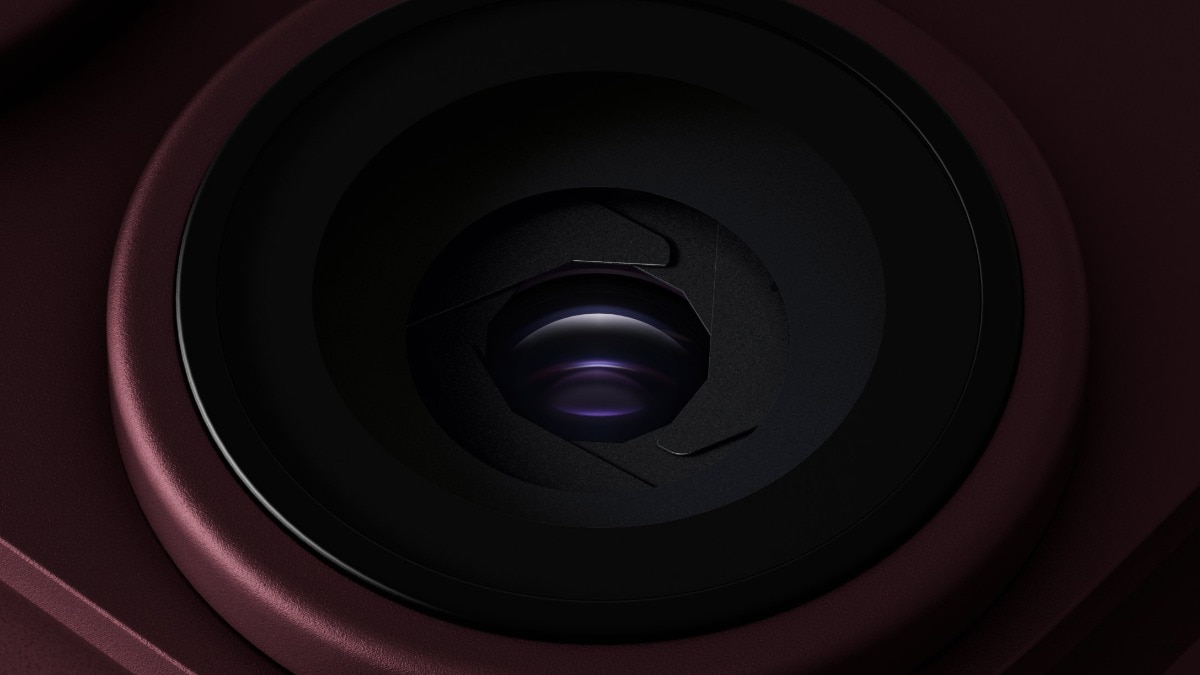
While the iPhone 18 Pro serves as a mostly incremental upgrade over its predecessor, its camera system introduces a standout feature that could quickly become a favorite for holiday photography. By incorporating a mechanical aperture, the device brings a capability traditionally reserved for standalone cameras and professional lenses straight to a smartphone.
Smartphone manufacturers have historically relied on digital adjustments and fixed apertures due to the challenges of miniaturizing internal camera components. Although mechanical apertures have occasionally appeared in past mobile devices, they often introduced unnecessary complexity and cost without delivering distinct, everyday benefits to the average user.
The iPhone 18 Pro changes this dynamic by utilizing movable mechanical blades powered by magnets on its main camera lens. Users can control the aperture directly through the camera application, choosing from settings that include F1.48, F1.8, F2.8, and F4. While the widest settings maximize light capture, the narrower settings help regulate illumination, depth of field, and focus.
For everyday shooting, the automated camera settings handle most adjustments seamlessly. However, the mechanical aperture shines in specific scenarios. When capturing close-up photographs of food or subjects in well-lit environments, utilizing settings like F2.8 or F4 can produce sharper edges and finer detail by modifying the depth of field.
The feature's most striking application involves festive illumination and small light sources. By utilizing the F4 setting, the phone produces a distinct starburst effect, making tiny points of light appear with sharp, glowing rays. Because of the smaller sensor size and potential computational enhancements, the device achieves this dramatic visual effect at F4—a result that typically requires much higher f-stops on traditional cameras.
These capabilities make the iPhone 18 Pro exceptionally well-suited for capturing holiday decorations and evening celebrations. As these types of striking images circulate widely on social media platforms, competing Android manufacturers may feel pressured to adopt mechanical apertures in their own flagship devices to match the tangible, crowd-pleasing photographic benefits.