


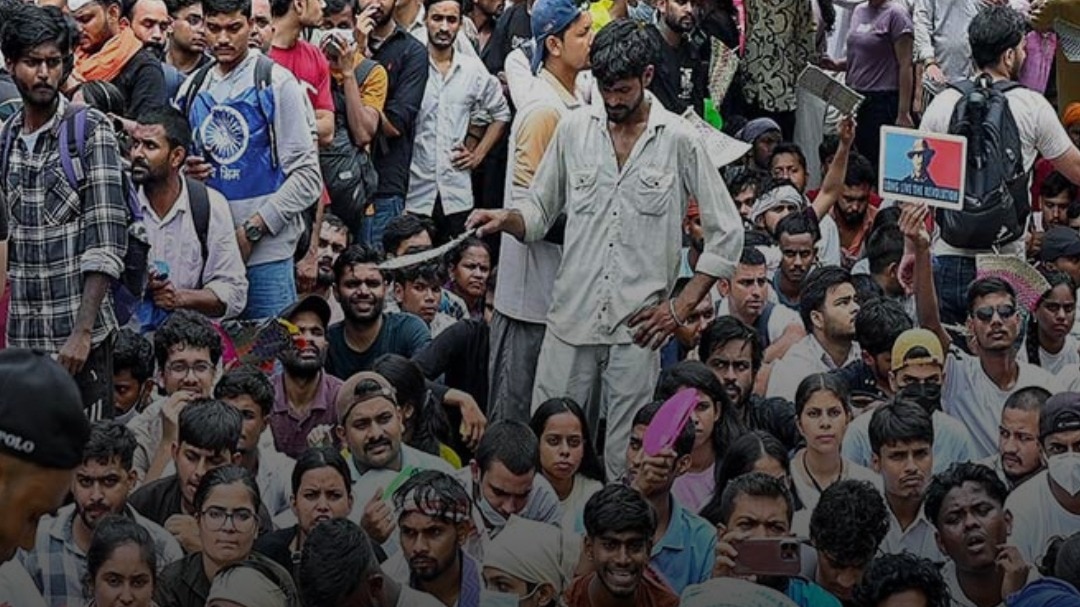
Following the recent detention of CJP national spokesperson Ashutosh Ranka and party leader Saurav Das alongside their supporters for entering Jantar Mantar, attention has turned back to the historic site's evolution as a focal point for demonstrations. The landscape of political protest in the national capital underwent a major transformation in the early 1990s, shifting away from the Boat Club lawns near India Gate.
Historically, the Boat Club was the premier venue for public agitations and rallies in New Delhi. However, security apprehensions and heightened tensions in the wake of the Babri Masjid demolition prompted authorities to relocate large gatherings away from the high-security central vista zone.
Jantar Mantar subsequently emerged as the designated alternative venue for public demonstrations, institutionalizing a specific zone for dissent away from key government installations. Over the decades, the historic astronomical observatory site has hosted countless movements, labor strikes, and political demonstrations.
Meanwhile, the background of key figures involved in recent events has also drawn public interest. Former IIT Kanpur director Indranil Manna recently recalled a past three-day standoff involving Ashutosh Ranka during his student activist days, highlighting a long history of confrontation and engagement with authorities.