


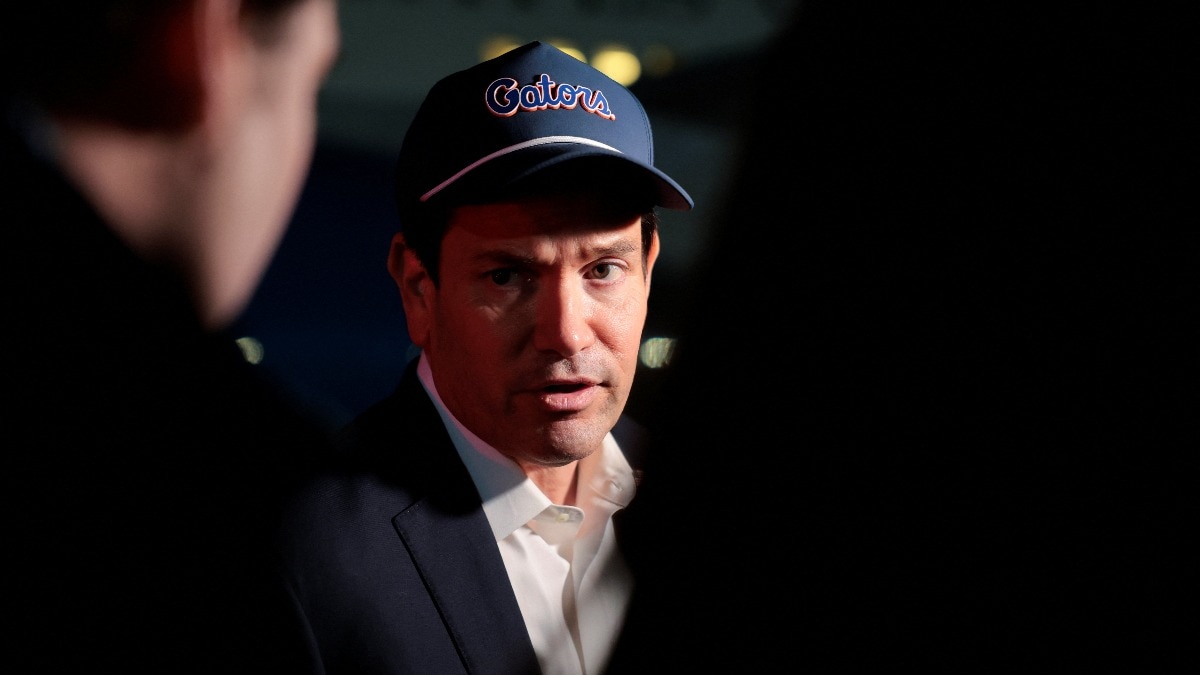
US Secretary of State Marco Rubio stated that President Donald Trump will take up to 60 days to assess the economic consequences of recently waived sanctions and tariffs tied to Russian exports. Rubio made the comments during a press interaction prior to leaving for a six-day official visit to Uzbekistan and India.
Rubio explained that the measures involved went beyond targeted restrictions against Moscow, encompassing trade tariffs affecting nations such as India. He noted that the president intends to use the 60-day evaluation window to understand how implementing both sanctions and tariffs would affect the global and American economies.
The administration's action follows President Trump's decision to waive key provisions of the Sanctioning Russia and Iran Act, also known as the Graham Act, which had empowered the government to levy punitive measures on nations buying Russian oil like India and China. The legislation, enacted on September 18, deliberately incorporated waiver provisions to give authorities space to analyze ongoing global disruptions and their downstream effects on energy prices and supplies.
Rubio pointed to multiple concurrent pressures on the energy market, including tensions involving the Strait of Hormuz, Houthi attacks on Saudi infrastructure, and ongoing infrastructure damage from the conflict in Ukraine. He emphasized that these factors heavily influence global market pricing and must be factored into policy decisions.
Regarding New Delhi specifically, Rubio remarked that India has proactively diversified its energy portfolio, though it still relies heavily on Russia for a notable portion of its fuel imports because altering supply chains overnight presents significant logistical hurdles. He reaffirmed that India remains a vital partner and ally of the United States.