


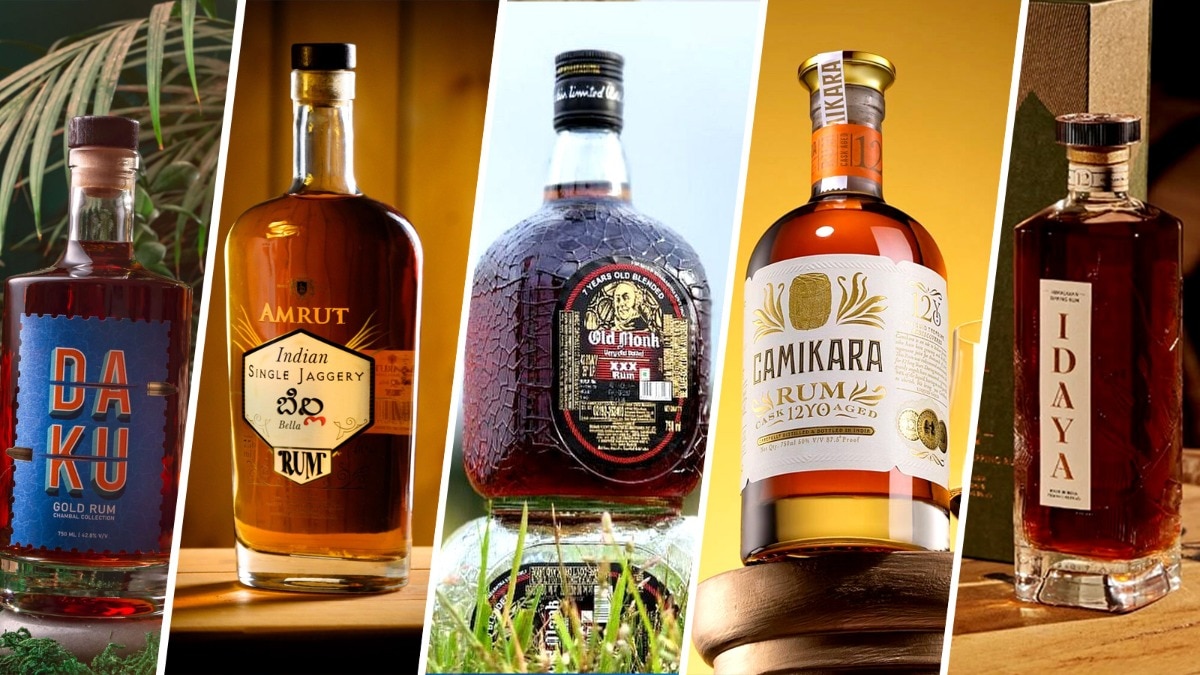
There are few spirits in India as closely tied to nostalgia as Old Monk. For some, it is the familiar dark rum mixed with cola at a house party, while for others, it is the dependable bottle that makes an appearance every winter alongside lively political and literary debates.
Across the country, however, independent producers are experimenting with fresh sugarcane juice, jaggery-based spirits, unique fermentation techniques, and carefully selected oak casks. Some distillers are crafting spirits intended to be sipped slowly rather than casually poured into a mixer, striving to give Indian rum a distinct identity in a global market where provenance and maturation drive the conversation.
This shift has attracted international attention, yet convincing domestic consumers to spend several thousand rupees on a bottle of rum reveals a lasting mental barrier. The overarching question remains why anyone would pay premium prices for rum when they could purchase a whisky instead, highlighting a gap between distillery innovations and consumer perceptions.
The debate has intensified following recent regulatory actions by the Food Safety and Standards Authority of India regarding flavouring and age-related claims. In August 2026, the regulator clarified that certain manufacturers had added external flavours to mimic natural tastes and aromas while marketing the products as standard spirits, potentially misleading buyers.
This enforcement brought Old Monk into a wider controversy over rum classification, product descriptions, and labelling. The dispute subsequently reached the Bombay High Court after the company challenged regulatory actions affecting sales from its Thane manufacturing unit in Maharashtra, seeking legal relief in a case centred on compliance rather than product safety.
Industry experts note that while raw agricultural materials, distillation methods, and blending can vary wildly, consumer awareness regarding these differences remains limited. Bartrepreneur Yangdup Lama points out that drinkers need a clearer understanding of the distinctions between standard rum, rum-flavoured spirits, and aged varieties before buying habits can meaningfully evolve.
Part of the challenge lies in the historical divergence between rum and whisky within India's drinking culture. Rum has long been viewed as an affordable, mass-market dark spirit, whereas whisky has successfully cultivated a premium vocabulary defined by age statements, single malts, cask finishes, and gifting traditions.
Shalini Sharma, head of marketing at Piccadily Agro Industries, acknowledges the contrast between India's rich sugarcane heritage and the category's public image. Despite the country possessing the ideal agricultural foundation to produce diverse styles of rum, overcoming decades of budget-oriented perception requires more than just a sleek new bottle or label.
Price comparisons starkly illustrate the divide within the market. In Delhi, a standard 750 ml bottle of Old Monk retails for roughly Rs 650, whereas a premium offering like Camikara Rum Cask 3 Years, crafted from fresh sugarcane juice and matured in oak, is listed at approximately Rs 2,400.
Bridging this significant price gap requires producers to actively educate consumers on craftsmanship and justify why a sophisticated rum commands a value comparable to fine whiskies. As the industry pushes forward with global ambitions, the ultimate test remains whether local drinkers are ready to look beyond the comfort of old habits.