


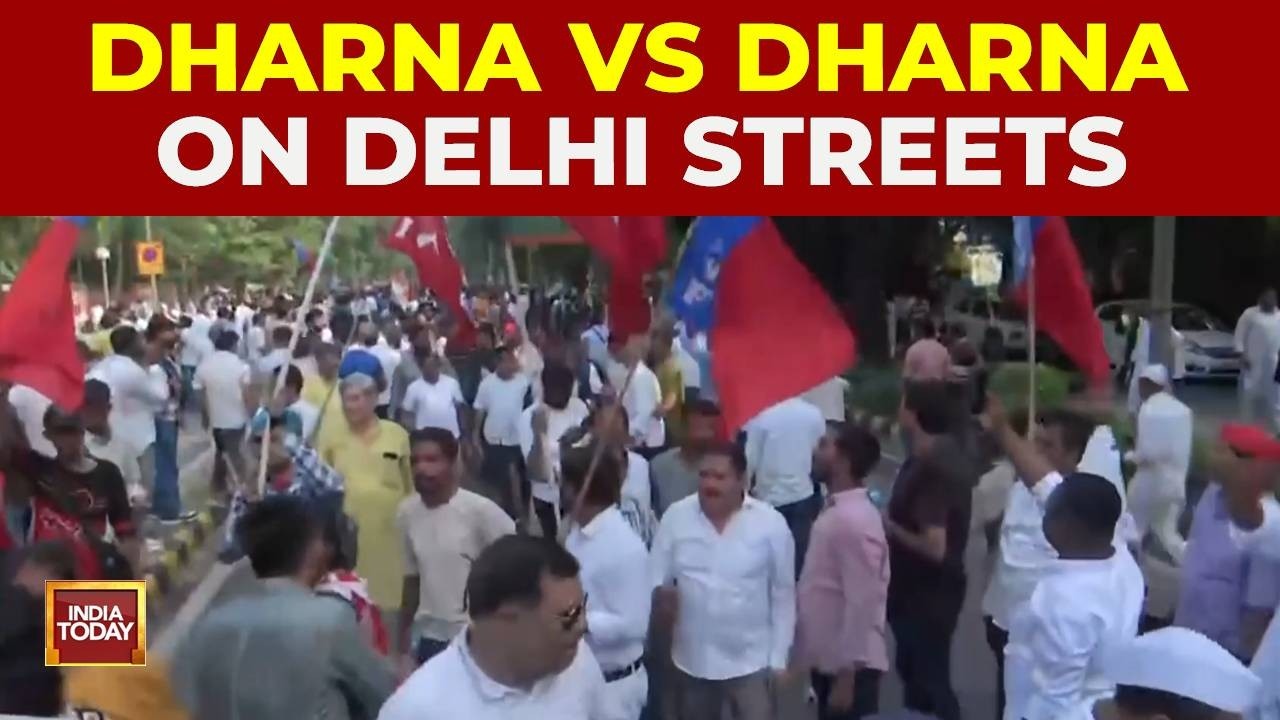
Leaders of the opposition INDIA alliance, including prominent figures such as Rahul Gandhi, Deepender Hooda, Tejashwi Yadav, Supriya Shrinate, Sanjay Raut, Bhupinder Hooda, and Priyank Kharge, boarded a bus and marched toward the Supreme Court. The high-profile demonstration drew broad participation alongside opposition politicians, welcoming university students, civil society members, and ordinary citizens who joined the public display.
Protesters during the march voiced strong demands concerning institutional accountability, the appointment procedures and oversight mechanisms governing the Chief Election Commissioner, and the imperative to safeguard voting rights throughout the country. The developments followed broader opposition-led agitations calling for official resignations and increased scrutiny of governance.
Ahead of the opposition's march to the Supreme Court, security measures led to the closure of multiple transit points, with Delhi Police requesting the Delhi Metro Rail Corporation to shut down entry and exit gates at six stations. Tensions also extended into digital and regional arenas, as Delhi Police released video footage featuring refreshments to counter activist allegations of rights denials and mistreatment during custody.
Simultaneously, political friction persisted on other fronts. The Bharatiya Janata Party Mahila Morcha staged demonstrations in Bengaluru over separate controversies involving a Congress MP, while language politics sparked further heated exchanges involving national and regional parties in Tamil Nadu.