


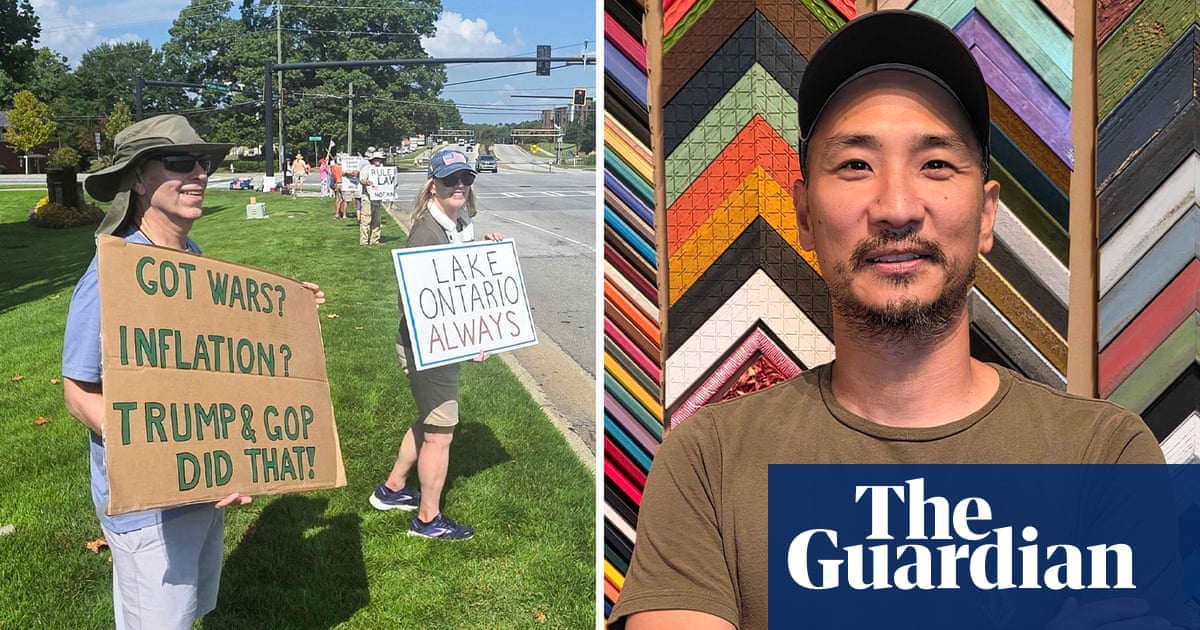
Gwinnett County, located just north of Atlanta, stands as one of the ten most ethnically diverse counties in the United States, featuring a dynamic mix of US-born newcomers and international immigrants. According to US Census data, the county's population is roughly 30.6% white, 27.8% Black, 23.7% Hispanic, 13.2% Asian, and 4.0% multiracial, with about 28% of residents born outside the country. This extraordinary demographic makeup creates an 84.9% statistical chance that two randomly selected residents belong to different racial or ethnic groups.
Control of major political contests, including high-stakes Senate and congressional races in Georgia, may ultimately hinge on unpredictable turnout and partisan dynamics in fast-changing regions like Gwinnett. Local business owners and residents reflect the area's complex political leanings. While many older immigrants and business-oriented residents have historically aligned with Republicans due to economic policies and tax considerations, younger generations and newer arrivals often lean toward the left, mirroring broader national trends among educated voters and minority groups.
Immigration enforcement and local economic impacts remain prominent topics of discussion among residents, particularly following recent federal immigration operations in the metro Atlanta area. At the same time, the county's political divisions cut across various ethnic communities, defying simple bloc-voting assumptions. For instance, Asian American voters in the area show distinct ideological splits, with certain demographics leaning Republican while others tend to support Democrats.
Beyond demographics, explosive growth driven by the county's acclaimed public school system has transformed the region over the past three decades. Managing more than 180,000 students, the Gwinnett school district attracts families from across the broader Atlanta metropolitan area, fueling continuous population inflows that outpace housing developments. Local voters now grapple with the growing pains of this rapid expansion, including skyrocketing property values, changing neighborhoods, and debates over the quality and rigor of public education.