


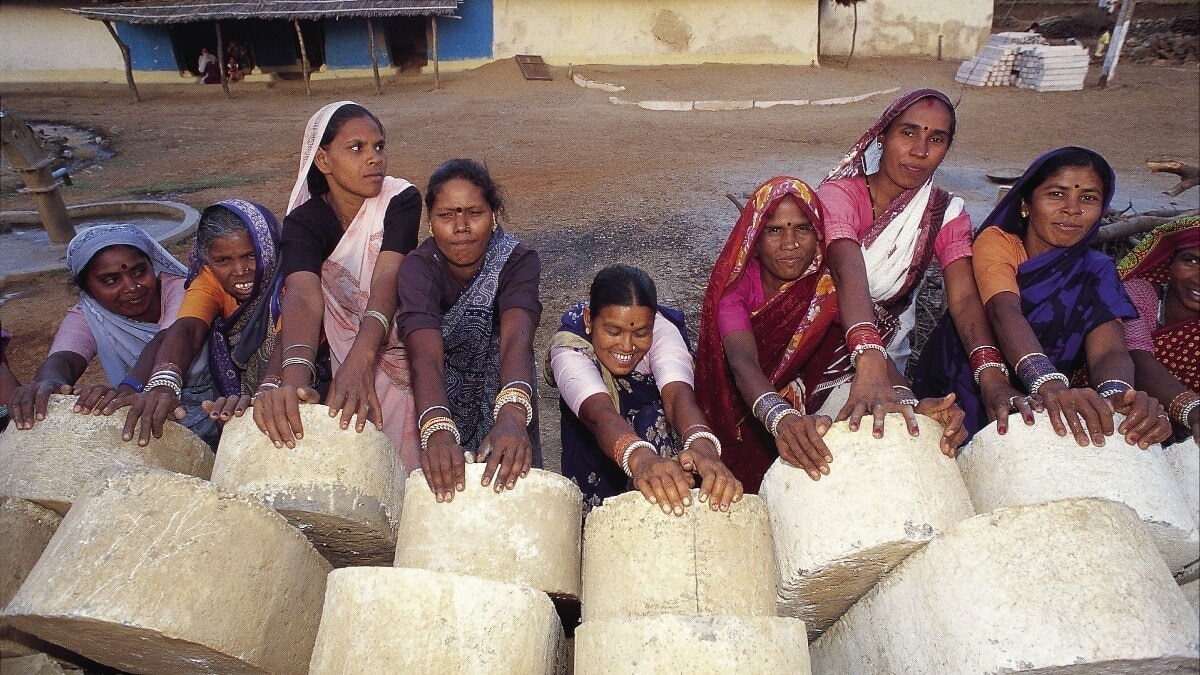
For rural women, a steady and dependable revenue stream can unlock pathways to entrepreneurship, enhance household financial security, and elevate their role in financial decision-making. The Lakhpati Didi programme aims to facilitate this transition by assisting women in cultivating livelihood ventures that yield stable household earnings.
This initiative operates under the Deendayal Antyodaya Yojana-National Rural Livelihoods Mission, a joint effort by the Ministry of Rural Development and various state governments. It targets women linked to Self-Help Groups, aiding them in scaling up their economic endeavors to secure more consistent income flows.
A Lakhpati Didi is defined as a woman within a Self-Help Group whose household achieves a minimum annual income of Rs 1 lakh on a sustainable basis. This financial threshold is evaluated over at least four agricultural seasons or business cycles, prioritizing enduring earnings over short-term revenue spikes.
The core aim is to assist rural participants in setting up economic ventures that endure over time, spanning agriculture, allied sectors, non-farm enterprises, and services, contingent upon local potential, existing skills, and market access.
The programme backs participants through comprehensive livelihood planning, targeted skill enhancement, financial inclusion, credit availability, and market connections. These measures are designed to help women pinpoint viable business concepts, bolster current operations, and discover supplementary revenue sources.
Access to financial tools and credit facilitates investment in business ventures, while skill-building empowers women to effectively manage and grow their enterprises. Market linkages simultaneously broaden sales horizons beyond immediate local communities, and livelihood diversification helps households mitigate reliance on a single earning channel.
In Uttar Pradesh, the scheme is executed via the Uttar Pradesh State Rural Livelihood Mission under the Department of Rural Development. The mission focuses on reinforcing community networks and fostering income-generating activities across rural areas.
Parliamentary data shared by the Ministry of Rural Development indicated that 1,115,982 women in Uttar Pradesh were classified as Lakhpati Didis as of June 30, 2025. This metric is based on self-reported figures from that period rather than an independently verified current census.
While the figures reflect the widespread reach of the programme within the state, determining its true efficacy requires analyzing long-term income consistency, the growth of enterprises led by women, and continuous access to markets and credit.
Ultimately, the Lakhpati Didi framework places enduring household earnings at the core of rural development. By empowering women economically and fostering entrepreneurial resilience, the initiative strives to enhance financial independence, with its ultimate success resting on the longevity of the financial opportunities generated.