


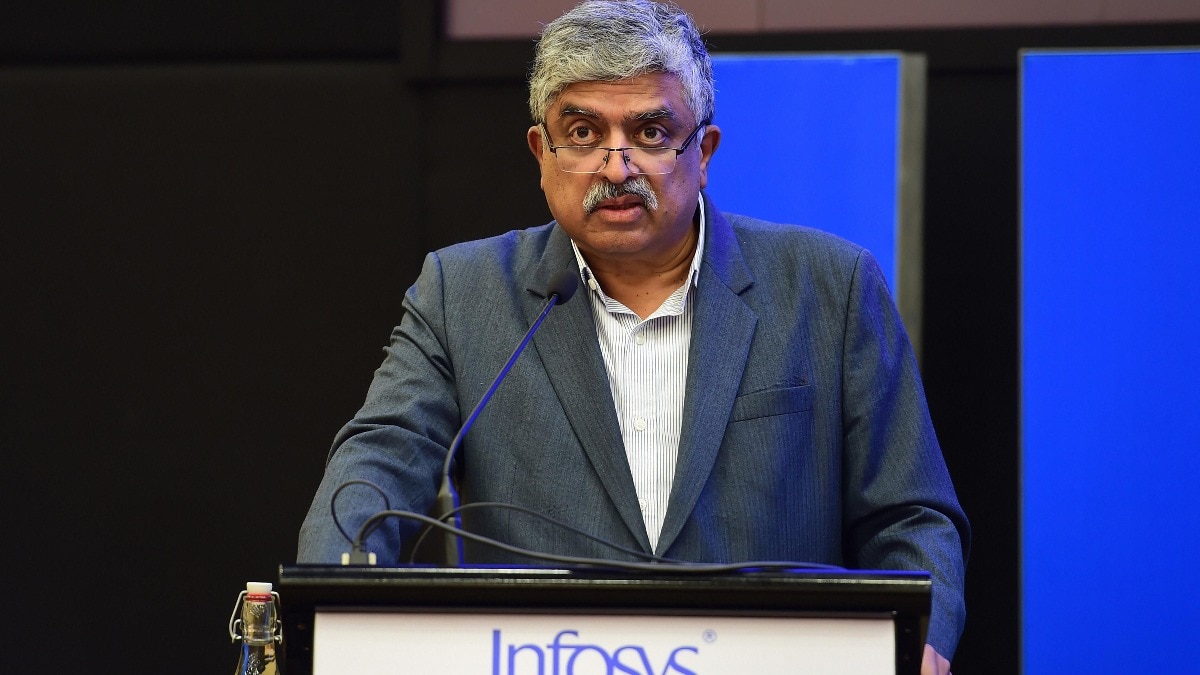
Infosys co-founder Nandan Nilekani has questioned why major entrance tests must rely on a single question paper that remains vulnerable to theft and illegal sales, offering his perspective amid ongoing concerns regarding the NEET paper leak controversy. He suggested that the structural integrity of high-stakes examinations can only be protected by completely transforming how tests are designed and administered.
Nilekani pointed out that having a fixed, singular question paper naturally creates a lucrative economic incentive for malicious actors to steal and distribute it ahead of time. To eliminate this vulnerability, he recommended moving away from traditional formats entirely and instead utilizing a massive, secure question bank from which a unique test can be generated at the very last minute before the exam begins.
Expanding on his proposal, Nilekani noted that adopting last-minute paper generation would effectively destroy the black-market incentive for leaks, since no single paper exists in advance to be compromised. This approach addresses core security challenges surrounding competitive tests like the National Eligibility-cum-Entrance Test.
In addition to reforming question generation, Nilekani emphasized the necessity of scaling up computer-based testing facilities across the country. He noted that while there are currently around 150,000 locations available for students to take digital exams, this network must be significantly expanded to accommodate the immense volume of candidates.
Addressing these structural vulnerabilities requires systemic interventions, according to Nilekani, who noted that a dedicated committee intends to tackle these reforms. He added that the Prime Minister is deeply committed to ensuring these strategic changes are effectively implemented to safeguard the future of competitive testing.