


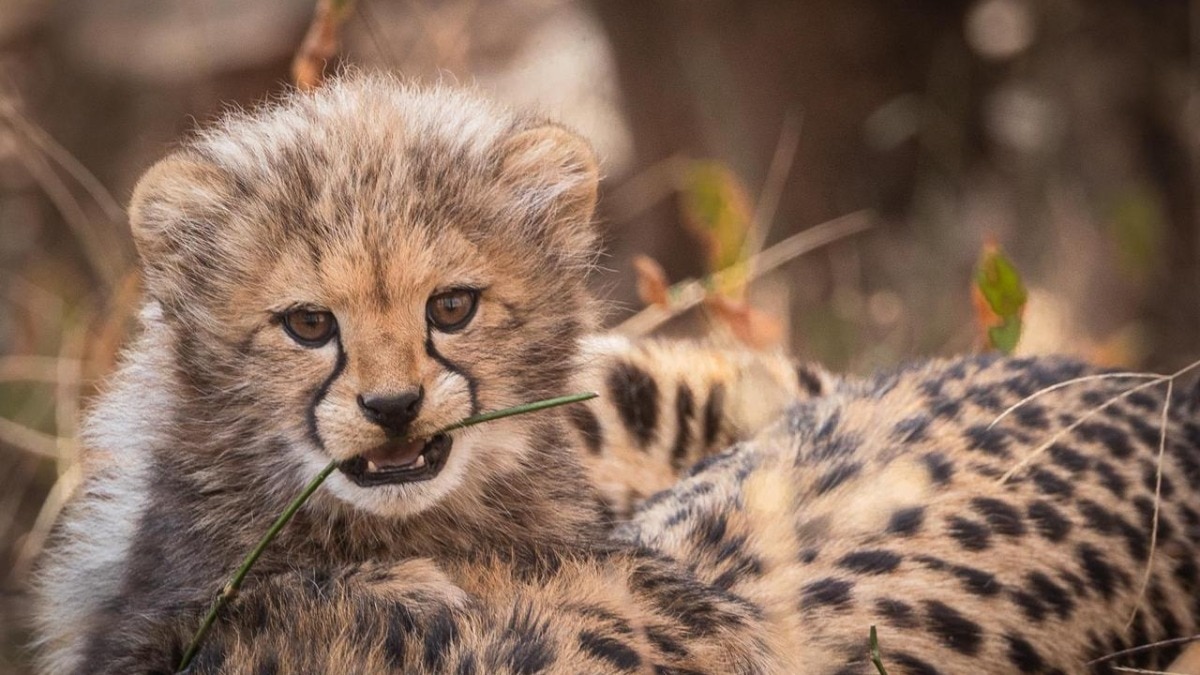
New Delhi: India’s ambitious cheetah reintroduction initiative has encountered another setback following the death of an eight-month-old cub at Kuno National Park in Madhya Pradesh. The incident reduces the nation's total cheetah population to 59.
The young animal, part of a litter born to the Namibia-born female cheetah named Asha, was discovered dead on Monday following a search operation launched after it was noticed missing from the family group. During routine morning monitoring, forest personnel observed that Asha was accompanied by only four of her five offspring, immediately prompting a search that led to the discovery of the dead cub.
Authorities have stated that the exact cause of death remains undetermined while they await the completion of a post-mortem examination. This diagnostic procedure is expected to clarify the circumstances surrounding the young animal's demise.
Following this latest casualty, Kuno National Park now houses 53 cheetahs, which includes 40 born on Indian soil, with 15 of them currently ranging freely in the wild. An additional four cheetahs are located at the Gandhi Sagar Wildlife Sanctuary, and two reside within the Veerangana Durgavati Tiger Reserve. Together, these three locations comprise the entirety of India's surviving cheetah population.
This loss follows closely on the heels of a population milestone when the count briefly reached 60 after an India-born female gave birth to five cubs at Kuno. That recent birth had been heralded as a significant milestone toward creating a self-sustaining population within the country, though the subsequent mortality underscores the persistent difficulties in ensuring juvenile survival.
Cheetahs were officially declared extinct in India in 1952 before the government initiated Project Cheetah to restore the species to the landscape. The endeavor began with the arrival of eight cheetahs from Namibia in September 2022, followed by another group of 12 from South Africa in February 2023, with Kuno in the Sheopur district serving as the primary reintroduction site.
While initial translocations have brought the animals back, experts emphasize that the long-term viability of the project hinges on survival rates, reproduction, and the successful rearing of offspring in natural habitats. Young cheetah mortality can stem from a variety of factors including illness, injuries, or predation, leaving the forthcoming autopsy results vital for understanding the specific dynamics of this latest incident.