


New Delhi, Oct 13, 2026 14:27 IST Metastatic breast cancer represents the most advanced stage of the disease, occurring when malignant cells migrate from the primary site in the breast to distant organs like the bones, lungs, liver, or brain. Commonly referred to as Stage 4 breast cancer, it typically cannot be fully eradicated, though medical interventions can manage the condition, alleviate symptoms, and extend survival with a focus on quality of life. This dedicated awareness day falls on October 13 within the broader framework of Breast Cancer Awareness Month and gained formal recognition in the United States in 2009 through Congressional action. Advocacy organizations, notably the Metastatic Breast Cancer Network, championed the creation of this distinct observance because general public discussions often center on early detection and survivorship, leaving individuals with advanced illness feeling marginalized.
Metastasis occurs when abnormal cells multiply unchecked and travel via the bloodstream or lymphatic system to establish new tumors in distant parts of the body. Frequent destinations for this spread include the skeletal system, which can result in fractures and pain; the lungs, potentially causing persistent coughs or shortness of breath; the liver, leading to abdominal discomfort, fatigue, or jaundice; and the central nervous system, which may trigger headaches, balance issues, seizures, or memory alterations. Despite locating in other organs, the malignancy remains classified by its origin; if breast cells spread to the skeletal system, the condition is treated as breast cancer involving the bones rather than a primary bone cancer.
Breast cancer ranks among the most prevalent malignancies affecting women globally. Within the United States, current estimates indicate that between 155,000 and 170,000 individuals live with metastatic breast cancer, a figure projected to grow as survivorship lengthens. In India, research indicates that roughly 5 to 25 percent of patients present with metastatic disease either initially at diagnosis or later during their illness, with a major Indian analysis observing metastasis in approximately 13 percent of over 76,000 female patients, where the skeletal system proved to be the most frequent site of involvement.
Delayed detection continues to present a significant hurdle across various regions of India, where restricted awareness, delayed medical consultations, and disparities in accessing screening and care can permit the illness to advance before identification. Although a definitive cure remains elusive, a metastatic diagnosis is not an immediate terminal outcome, and numerous patients maintain functional lives for extended periods given appropriate medical intervention and palliative support.
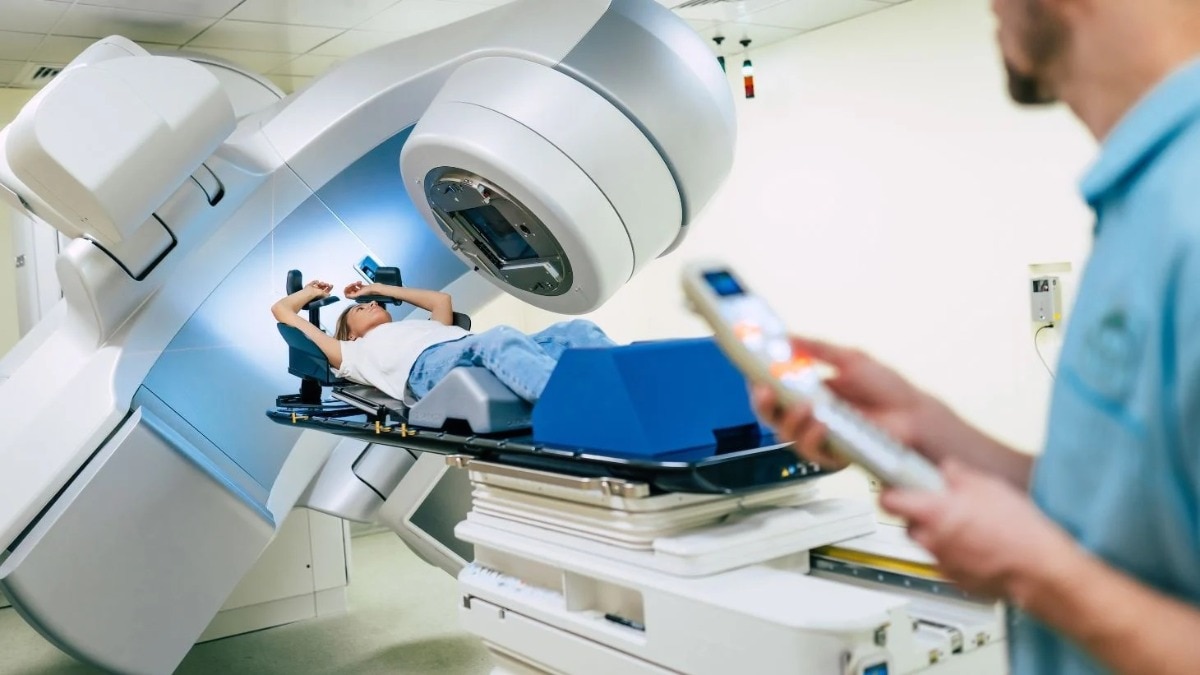
Therapeutic strategies vary based on the specific biological subtype of the breast cancer and the locations of metastatic spread. Medical professionals may employ hormone therapy, chemotherapy, targeted therapies, immunotherapy, radiation, or surgical procedures to curb tumor progression, control discomfort, and preserve daily functioning. Comprehensive care additionally encompasses psychological and social assistance, addressing the substantial needs of Stage 4 patients through counseling, pain management protocols, nutritional advice, financial assistance, and community support networks.