


Washington: The United States State Department has strongly rejected reports that career diplomats seeking senior assignments were questioned about their voting history in past presidential elections, pushing back against claims of political bias in federal hiring and promotions.
According to earlier reports, candidates applying for mid- to upper-level Foreign Service positions faced scrutiny regarding whether they voted for Donald Trump, alongside reviews of their campaign donations. The allegations immediately drew criticism from lawmakers and former diplomats, who contended that professional expertise rather than political allegiance should dictate appointments to senior diplomatic roles.
A State Department spokesperson dismissed the accusations, characterizing the notion that officials were queried about political affiliations for promotions as an absurd premise. Speaking to media, the spokesperson stated that the administration prioritizes merit over tenure, explaining that inquiries regarding fidelity were strictly focused on upholding the Constitution, obeying the law, and executing policies in the interest of the American public.
The spokesperson emphasized that the evaluation centered on carrying out the president's foreign policy vision rather than partisan behavior. Despite these assurances, the American Foreign Service Association, which serves as the union and professional association for Foreign Service officers, reported receiving accounts of senior career personnel being denied positions following interviews that involved politically focused inquiries.
The association asserted that such questioning has no place within federal service and announced that it is exploring potential legal avenues. Federal statutes prohibit discrimination against government employees based on political affiliation, and career Foreign Service and civil service personnel are mandated to execute their duties neutrally, though the executive branch retains the authority to place political appointees in designated roles.
Lawmakers have also raised alarms regarding the developments. Outgoing Senator Jeanne Shaheen, who served as the ranking member of the Senate Foreign Relations Committee, noted that legislators had been reviewing whether political background was improperly influencing federal employment. She stressed that national security positions require individuals selected for their capabilities and experience rather than political loyalty, adding that lawmakers are investigating the claims.
Representative James Walkinshaw similarly condemned the reported practice on social media, pointing out that basing civil service decisions on political donations or affiliations is unlawful.
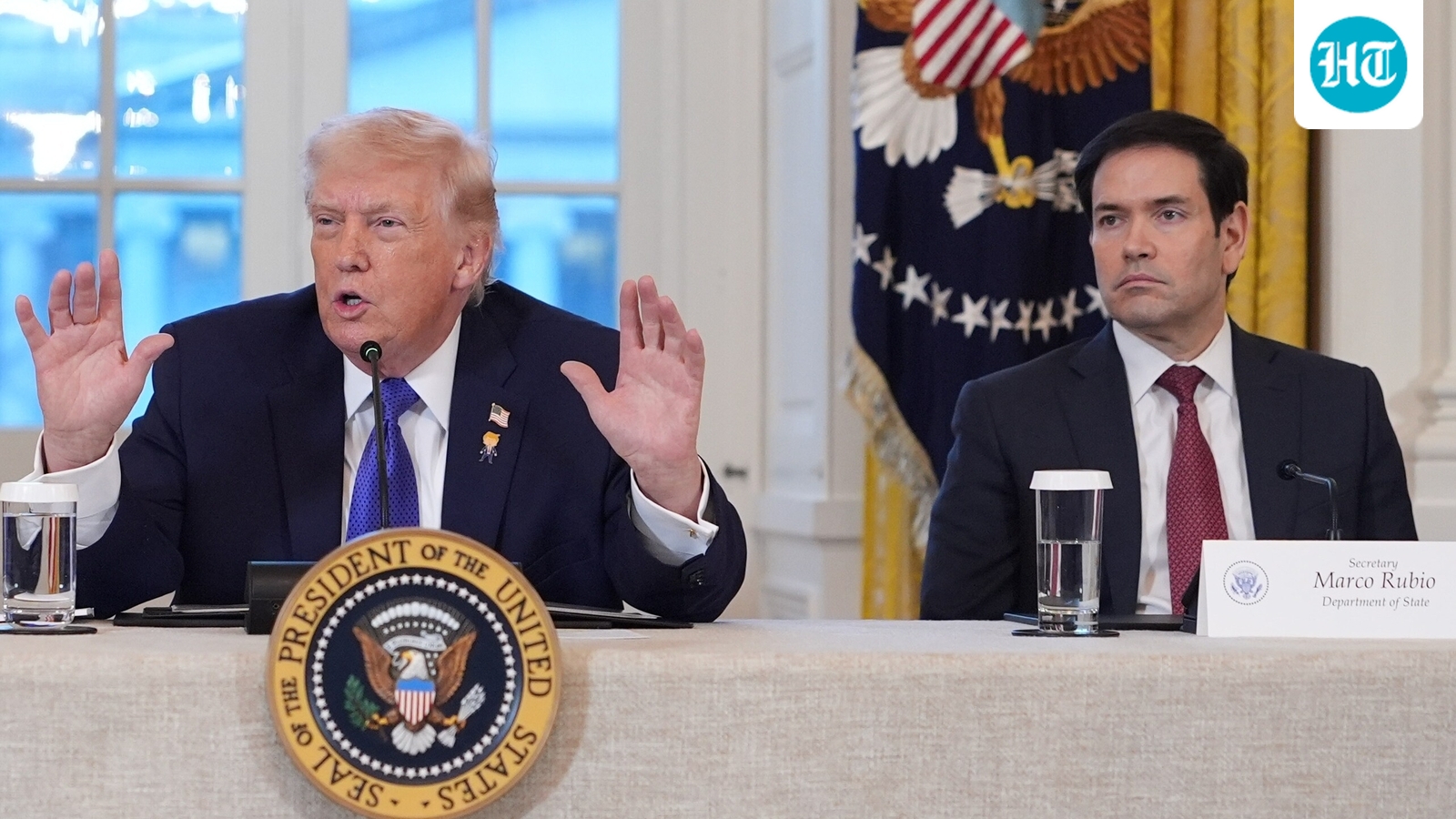
The scrutiny coincides with broader organizational changes implemented by Secretary of State Marco Rubio. In July 2025, the department integrated a fidelity component into employee evaluations to assess how staff protect executive authority, a measure linked to administration executive orders and actions. Additionally, a restructuring effort earlier in the year resulted in the layoffs of roughly 1,100 civil service employees and 250 Foreign Service officers after specific bureaus were eliminated, drawing pushback from critics who claimed experienced personnel were unfairly targeted.
While the State Department continues to maintain that its personnel decisions center on merit and effective policy implementation, the reported allegations have not yet been formally established as unlawful political discrimination.