


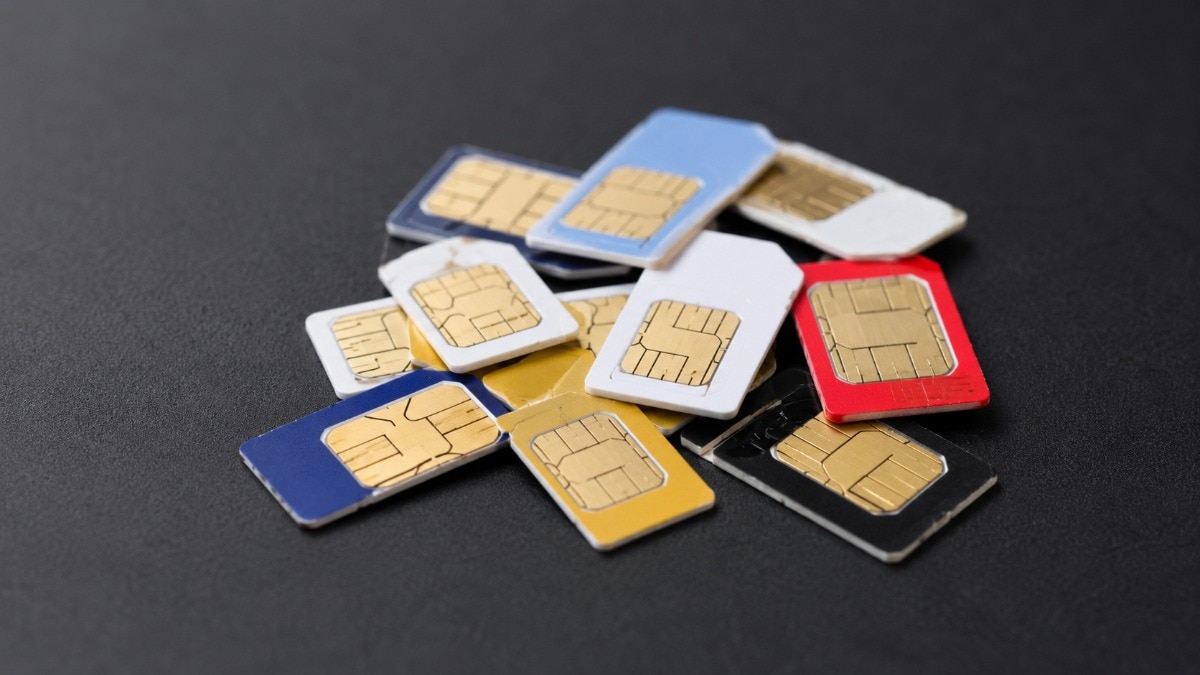
SIM binding is scheduled to become mandatory starting January 1, 2027, under a directive issued by the Department of Telecommunications on November 28, 2025. The policy requires messaging applications to verify that the mobile number tied to an account is actively linked to the physical SIM card installed within that specific phone. Under the current system, users can verify a number once via a one-time password and continue operating the app even if the SIM is subsequently removed, deactivated, or moved to another device. Once the new rules take full effect, however, apps like WhatsApp and Telegram will require the registered SIM to remain in the device for uninterrupted access.
This upcoming enforcement mirrors security measures already implemented by banking and digital payment platforms, which require the verified SIM to be present on the device to process UPI transactions and online transfers. Platforms designated under the directive include WhatsApp, Telegram, Snapchat, Signal, and several others. Messaging providers have until December 31, 2026, to ensure that accounts remain continuously linked to an active, KYC-verified SIM card associated with the registered phone number.
The regulatory shift will directly impact individuals who rely on WiFi-only devices, such as tablets, or those who frequently travel abroad and swap out their domestic SIM cards. Without the physical SIM card in the phone, messaging services may no longer function properly. While the directive does not explicitly detail how eSIM technology will be treated, users with digital SIMs will likely need the eSIM profile active on the specific device. Regarding desktop and browser links, initial proposals for mandatory six-hour logouts for web sessions were later adjusted by the DoT in favor of risk-based terminations, such as immediate logouts in suspected fraud scenarios.
Government authorities are introducing the mandate to combat rising cybercrime and digital fraud, pointing out that existing verification gaps allowed unauthorized remote operation of Indian messaging accounts after SIM cards were removed or deactivated. Officials noted that cyber fraud losses surpassed 22,800 crore rupees in 2024. By enforcing strict SIM and device binding, the DoT aims to enhance the traceability of mobile numbers, prevent account takeovers, and curb prevalent offenses like phishing, loan scams, and digital arrest fraud.