


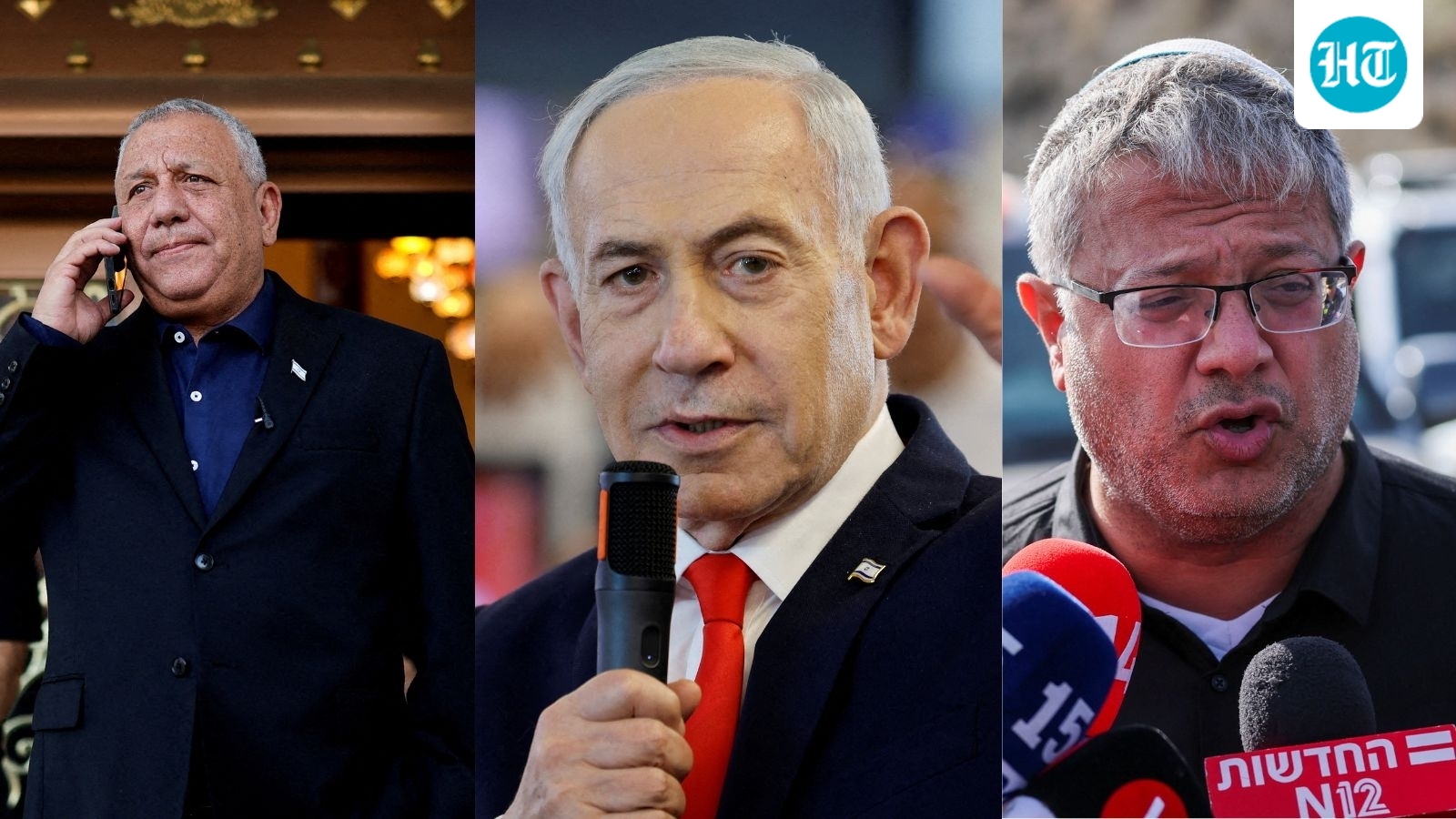
As Israel heads to the polls on October 27, a slate of prominent political figures, including former prime ministers and a former military chief, have positioned themselves as challengers seeking to replace Prime Minister Benjamin Netanyahu. While Israeli voters cast ballots for political parties rather than single candidates to enter the 120-seat Knesset, several key leaders have emerged as the primary front-runners for the prime ministerial post.
The upcoming election is one of the most significant in recent years, marking the first national vote in four years and the first since the October 2023 Hamas-led attack and subsequent conflict in Gaza. Challengers have targeted Netanyahu over alleged security failures leading up to the 2023 assault, as well as his handling of the wars involving Gaza and Iran, and rising West Bank settler violence.
Under Israel's electoral system, parties must cross a 3.25 percent threshold to secure seats in the Knesset, which are allocated on a proportional basis. Because no party has ever won an outright majority of 61 seats, governing administrations have always relied on multi-party coalitions.
Among the leading contenders seeking to unseat Netanyahu is Gadi Eisenkot, the 66-year-old chairman of the Yashar party. A former chief of staff of the Israel Defense Forces with 41 years of military service, Eisenkot entered politics in 2022 and later served in the wartime cabinet. Portraying himself as a moderate and a military realist, he has criticized Netanyahu's wartime strategy, advocated for prioritizing the return of hostages, and maintained that Hamas must be dismantled.
Another major challenge comes from a joint ticket named B'Yachad, formed in April by former prime ministers Naftali Bennett and Yair Lapid, with Bennett positioned to lead the government if the alliance succeeds. The coalition unites Bennett's right-wing political background with Lapid's centrist and secular Yesh Atid party, blending differing political traditions in an effort to consolidate the opposition against Netanyahu's long-standing rule.