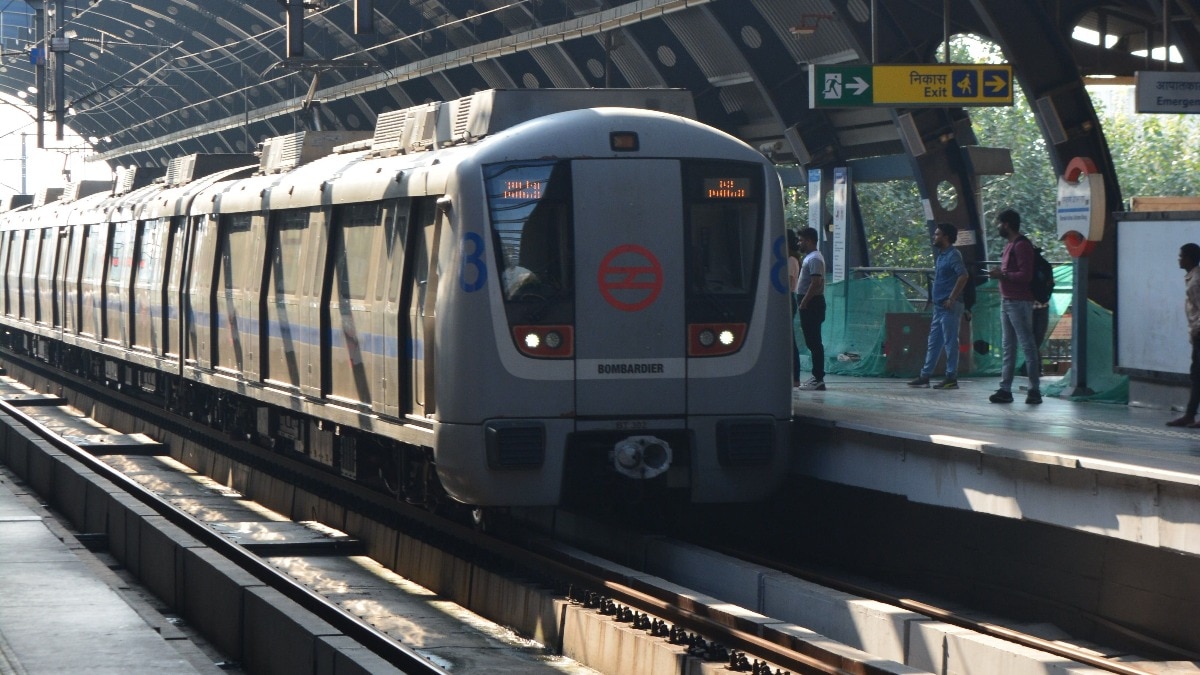
Delhi Metro ridership fell nearly 45 per cent during Saturday’s protests against Chief Election Commissioner Gyanesh Kumar, the Delhi Metro Rail Corporation told the Supreme Court. It attributed the drop to the demonstrations, noting that many commuters appeared to have avoided traveling altogether. Around 32 lakh passengers used the transit system on October 10, compared with about 58 lakh on a normal second Saturday. The DMRC described the ridership figures as lower than standard operations in its filed affidavit. This reduction may be attributed to the protest, which appears to have prompted a large number of commuters to refrain from traveling and, consequently, from undertaking their usual daily activities or attending to their business or private employment, the filing stated. The DMRC maintained that all 4,157 scheduled train trips ran without curtailment or cancellation. Entry and exit points were restricted at 45 of its 303 stations following directions from law enforcement agencies, while the remaining 258 stations stayed fully accessible. Passengers were still able to change lines at all 14 interchange stations where entry and exit were restricted, and steps were taken to keep nearby facilities open. The DMRC and its chairperson filed affidavits in ongoing proceedings concerning alleged violations of Supreme Court directives regarding Metro and train services. The chairperson stated that the previous court order had been followed in letter and spirit. While hearing a contempt plea, the court noted that the petitioners had established a prima facie case. The Union Home Ministry and Delhi Police were yet to respond to notices issued in connection with the legal proceedings. The notices involve petitions regarding the detention of protesters, alleged assaults on lawyers and journalists, and contempt allegations over disruptions to roads, Metro and railway services, and internet access. Ahead of the demonstrations, the Supreme Court had directed the Centre to ensure there was no complete prohibition on the movement of Metro services and trains coming into Delhi. A bench headed by Chief Justice Surya Kant also sought compliance affidavits from the transit operator and other authorities. Police had initially requested gate closures and service curtailments across 57 stations, a figure that was reduced to 45 following a review after the court's intervention. The October 10 demonstrations were organized by the Cockroach Janta Party and various student groups to protest against Gyanesh Kumar over alleged irregularities in the functioning of the Election Commission. Entry and exit restrictions at the 45 affected stations began at 9 pm on October 9, and station controllers were instructed to reopen the gates after police issued fresh directions the following night. Major locations affected included Rajiv Chowk, Kashmere Gate, Central Secretariat, Mandi House, Hauz Khas, Dilli Haat-INA, and Netaji Subhash Place, though interchange facilities at these sites remained operational. The DMRC stated it issued regular updates on social media, posted advisories at station gates, and deployed additional staff to assist commuters and manage crowds in coordination with police.
Delhi Metro Reports 45 Percent Ridership Drop During CJP Protest Day in Supreme Court Filing
The Delhi Metro Rail Corporation reported a significant drop in passenger numbers during recent demonstrations, telling the Supreme Court that ridership fell from a typical 58 lakh to 32 lakh. The corporation maintained it operated all scheduled train trips while implementing entry and exit restrictions at specific stations based on law enforcement directives.