


France witnessed some of its most severe civil unrest in years after demonstrations against rising living costs and declining public services erupted into widespread violence across multiple cities. More than half a million people participated in weekend marches, while disruptive groups targeted public infrastructure, ransacked businesses, and engaged in direct clashes with law enforcement officers.
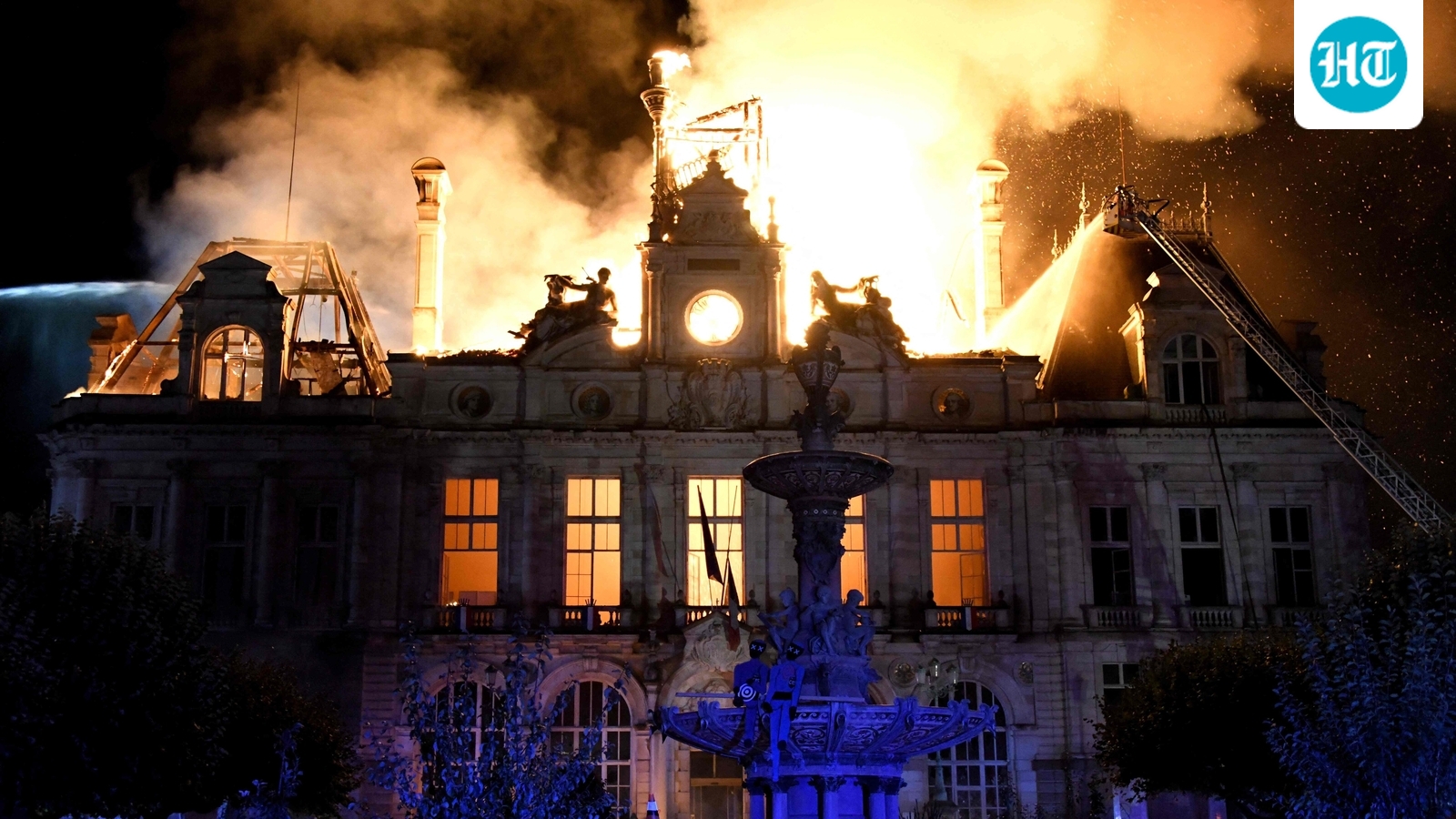
In central France, the historic town hall in Limoges suffered catastrophic damage after a major fire broke out during the unrest. Intruders forced their way into the nineteenth-century structure, where flames eventually caused the roof to collapse onto lower floors and brought down the clock tower. Local officials and residents mourned the heavy blow to the city's architectural heritage.
Demonstrations in Paris also descended into chaos as groups of masked and hooded protesters confronted police forces. Officers deployed tear gas to disperse crowds, while demonstrators piled up debris such as bicycles and trash containers to block streets near the Place de la République. Multiple blazes were reported in various urban centers as the demonstrations degenerated into extreme street violence.
Commercial establishments bore the brunt of the chaos, with supermarkets, pharmacies, apparel shops, and luxury stores targeted by looters and vandals. The wave of destruction left business districts reeling and prompted extensive clean-up efforts as security forces worked to secure affected zones and manage thousands of arrests.
In response to the widespread turmoil, President Emmanuel Macron appealed for public calm. Drawing a clear distinction between peaceful demonstrators and those committing acts of violence, he emphasized that the administration would take decisive steps to safeguard public facilities and local commerce.