


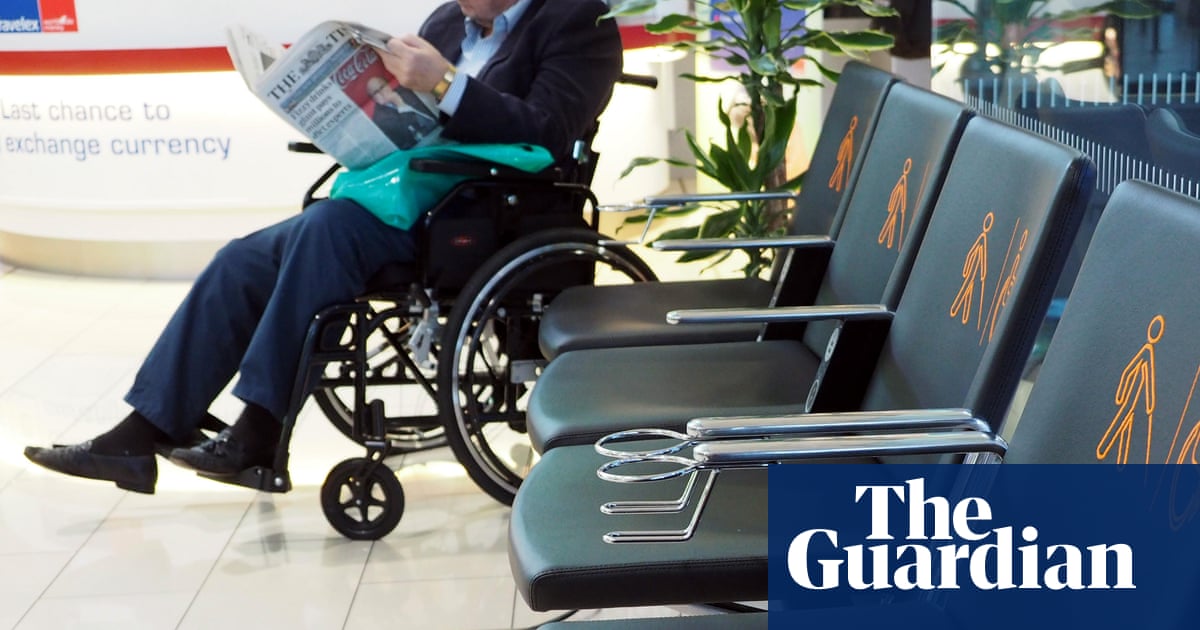
Disabled passengers will receive stronger safeguards when flying under a newly announced government pledge that includes protection for damaged wheelchairs and improved support from trained personnel.
An industry-led accessibility group report indicated that while progress is being made following a critical review by Tanni Grey-Thompson a year ago, significant work remains. The previous review was prompted by numerous high-profile incidents where passengers were left stranded without proper assistance.
The Department for Transport noted that airports have expanded staff training initiatives and implemented a standardized system to prepare airlines for handling mobility aids. These steps follow troubling figures from 2024, which revealed that more than 1,000 wheelchairs were damaged during transit, averaging over 80 incidents each month.
Despite these operational improvements, an industry body reports that nearly one in five disabled passengers remains dissatisfied with their air travel experience, while overall requests for specialized assistance continue to increase.
To address these ongoing challenges, the government plans to eliminate the maximum payout compensation limits for lost or damaged wheelchairs. Additionally, the aviation regulator will receive new enforcement powers to issue fines against airlines and airports that fail to provide required passenger assistance.
These planned reforms are anticipated to be included in the upcoming civil aviation bill currently moving through parliament, which aims to deliver robust consumer protections and rights for all air travelers.
Transport Secretary Heidi Alexander emphasized the importance of dignified travel, stating that passengers should not have to worry about whether their wheelchair will return intact or if support staff will be available to assist them around the terminal. She added that the government has supported the industry in overhauling training, preventing equipment damage, and establishing simple methods for passengers to share vital information before departure.
Co-chairs of the aviation accessibility implementation group, tasked with evaluating progress on recommendations from the Grey-Thompson report, acknowledged that while a positive start has been made, substantial challenges remain. They noted that future efforts will concentrate on deeply embedding necessary reforms so disabled individuals can travel with absolute confidence.
Meanwhile, Tim Alderslade, chief executive of industry lobby group Airlines UK, highlighted that requests for passenger assistance have risen by nearly 10 percent year-on-year. He pointed out that 82 percent of travelers report satisfaction with their journey, reflecting ongoing efforts and improvements by airlines to support those needing additional assistance.