


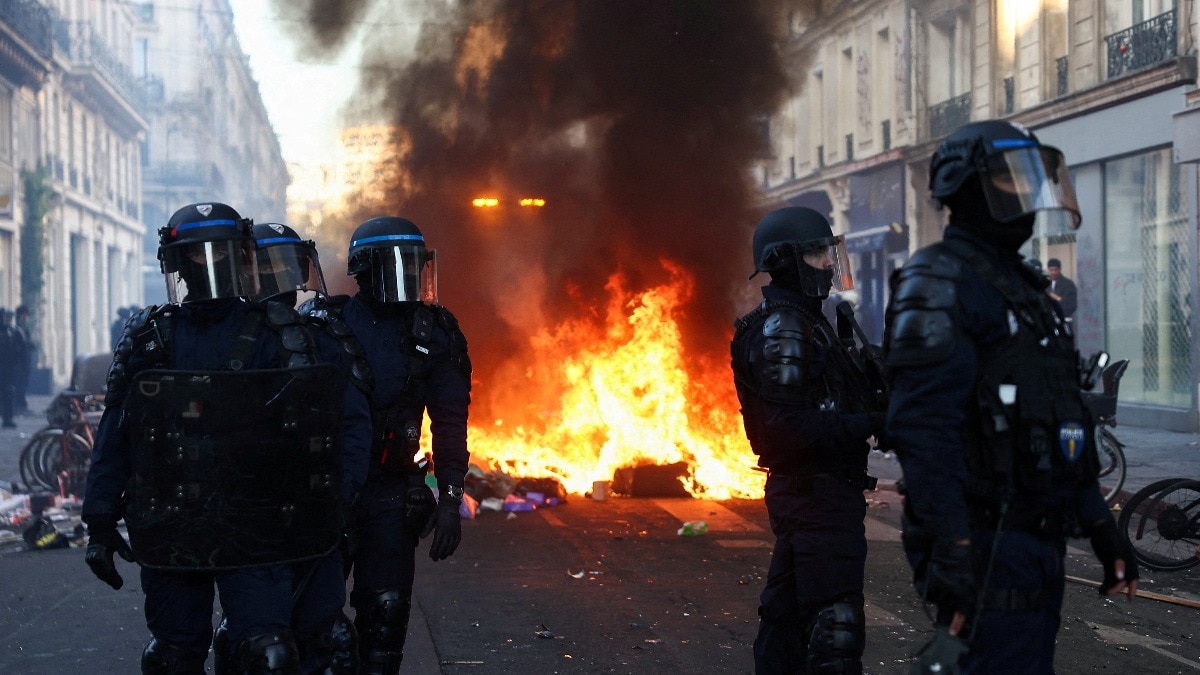
Youngsters have taken to the streets across Europe, including France, Spain, Portugal and Italy, protesting against rising living costs, soaring rents and poor education standards. The demonstrations have led to clashes with police in France and violence in Milan, while protests in Albania have targeted alleged corruption and unemployment.
Young people have taken to the streets across several European countries, including France, Spain, Portugal and Italy, to protest against rising living costs, housing crisis and deteriorating education standards, with demonstrations in some places turning violent. The protests reflect growing public discontent over economic pressures, shortages of teachers, inadequate school infrastructure and rising rents. In France, student demonstrations over education have expanded to include wider demands for higher wages, better pensions and relief from rising fuel prices.
In France, high school students have clashed with police during protests over long school hours, teacher shortages, deteriorating classroom conditions and a university admissions system they consider opaque. Staff shortages have left pupils without teaching for extended periods, with some reportedly missing months of classes because vacant positions remain unfilled. The demonstrations have since drawn support from people protesting against the wider cost-of-living crisis, including rising fuel prices.
The General Confederation of Labour, one of France's largest trade unions, has backed the protests, calling for lower prices, higher pensions and increased wages. French President Emmanuel Macron is facing mounting pressure amid the unrest as he approaches the end of his second term.
In Spain, housing costs have fuelled public anger, with activists taking to the streets following the eviction of an elderly woman whose rent was reportedly increased significantly by an investment fund. The situation intensified public debate over housing insecurity and the treatment of vulnerable tenants. Protesters have demanded lower rents, an end to evictions and restrictions on investment funds purchasing residential properties. Similar concerns prompted hundreds of people to gather in central Lisbon, Portugal, where official data showed sharp increases in house prices over recent years.
In Milan, demonstrators took to the streets over mounting pressure on household budgets. A march that began peacefully later descended into violence, with rioters throwing objects at riot police and setting barricades on fire. Meanwhile, demonstrations in Albania against Prime Minister Edi Rama continued, with protesters raising concerns over alleged corruption, a lack of employment opportunities and poor education standards.
The protests have already prompted some responses from authorities, particularly in France, where the government announced plans to deploy additional substitute teachers and withdraw controversial university fee proposals. In Spain, Prime Minister Pedro Sanchez attempted to introduce emergency housing legislation to strengthen tenant protections, though the proposal faced political setbacks in Congress, leading to calls for early elections.
Political uncertainty continues to cloud prospects for calm across the affected nations. As governments grapple with public discontent, upcoming elections in France and Spain add further complexity to ongoing efforts by leaders to address housing affordability, education standards, and broader economic pressures.