


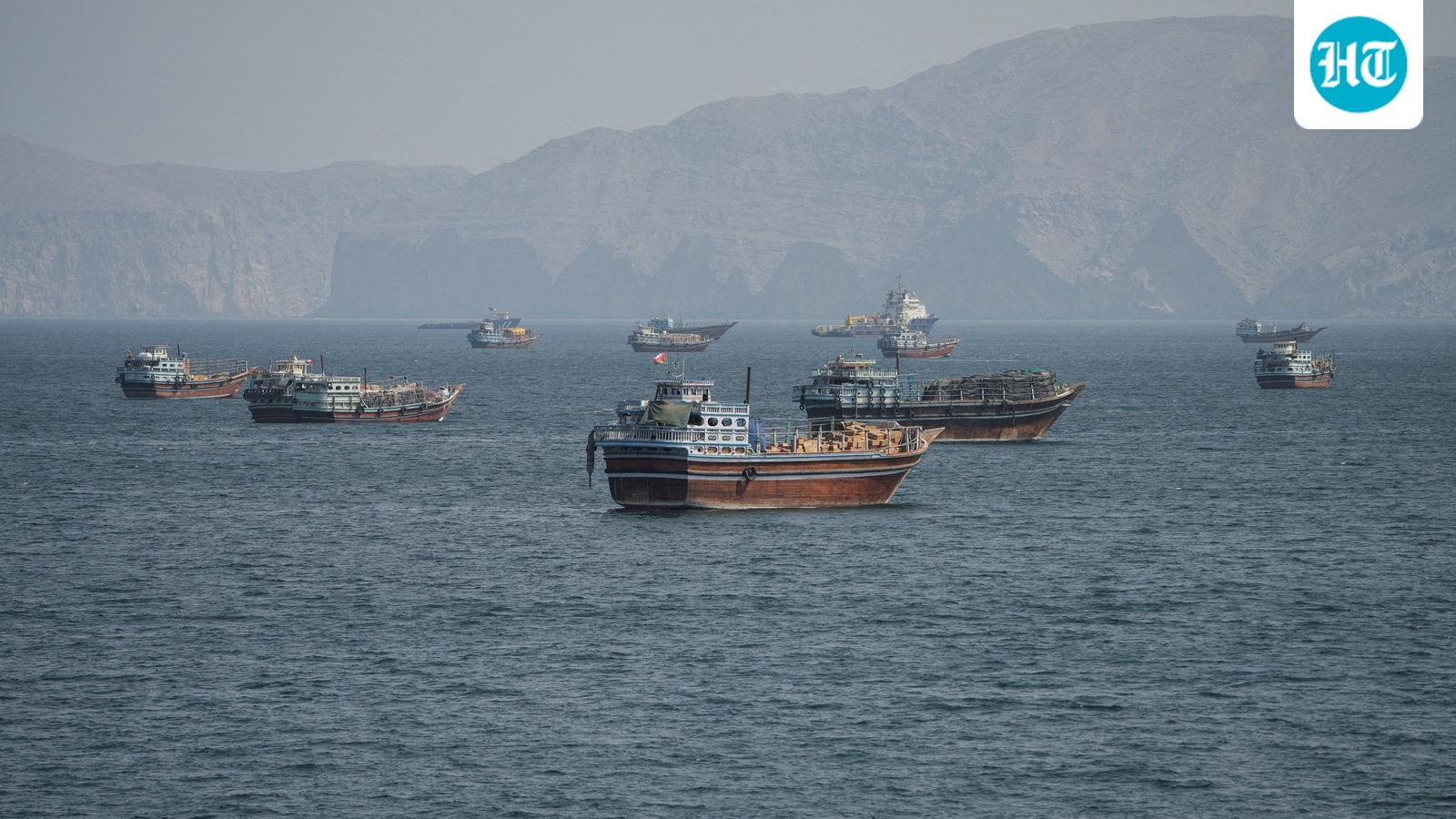
Iranian Foreign Minister Abbas Araghchi stated that the Strait of Hormuz could be fully reopened within six days if the United States agrees to Tehran's conditions, with formal negotiations potentially resuming on the seventh day. Speaking during a visit to Baghdad for a meeting of the Organisation of Islamic Cooperation, Araghchi noted that Tehran is currently evaluating feedback from Washington regarding its proposed roadmap, emphasizing that the diplomatic plan remains active.
Iran's prerequisites for reopening the vital waterway include lifting the American blockade on Iranian ports, removing sanctions targeting the nation's oil exports, and halting hostilities across all regional fronts. A central dispute in the ongoing deadlock involves the sequencing of talks, as Washington demands that Iran address its nuclear program from the outset, whereas Tehran insists that negotiations must initially prioritize reopening the strait and restoring security to the corridor.
In tandem with diplomatic positioning, newly appointed Iranian Defense Minister Mehrdad Akhlaghi issued a strong warning that the United States and its regional allies would face immense destruction if Washington chose to restart military operations against the country. Akhlaghi's remarks followed his confirmation by the Iranian parliament, where he succeeded former defense leadership who died in earlier strikes.
The diplomatic friction persists following the breakdown of an interim ceasefire, with both sides trading warnings and conditions over the control and safety of the maritime transit route, which historically handled a major share of global oil and liquefied natural gas shipments.