


A sprawling 80-metre luxury vessel featuring an expansive deck swimming pool and waterslides has emerged as a prominent symbol of the high-end lifestyle maintained by North Korea's ruling elite. Satellite photographs captured between July and mid-October show the massive ship anchored off the Kalma Peninsula near Wonsan, a coastal city historically tied to the family of leader Kim Jong Un, who spent part of his childhood in the area.
This grand vessel is not an isolated acquisition, as analysis of satellite data reveals a fleet of several large watercraft ranging from 50 to 80 metres in length docked near a family residence in Wonsan. While the exact financial value of the newly spotted ships remains unverified, comparable luxury vessels routinely cost tens of millions of dollars, with some surpassing the nine-figure mark. By comparison, a smaller 29-metre Princess yacht previously owned by Kim was estimated to carry a price tag around seven million dollars.
Beyond maritime transport, Kim heavily favors rail travel for long-distance journeys, a method rooted in historical tradition that offers superior security and controlled comfort compared to aviation. Operating on a sophisticated three-train system, his heavily armored train known as Taeyangho functions as a secure mobile residence and office capable of transporting bulletproof limousines. The convoy structure involves an advance train to check the tracks, a middle carriage carrying Kim and senior officials, and a rear trailing train packed with bodyguards, medical professionals, and support supplies.
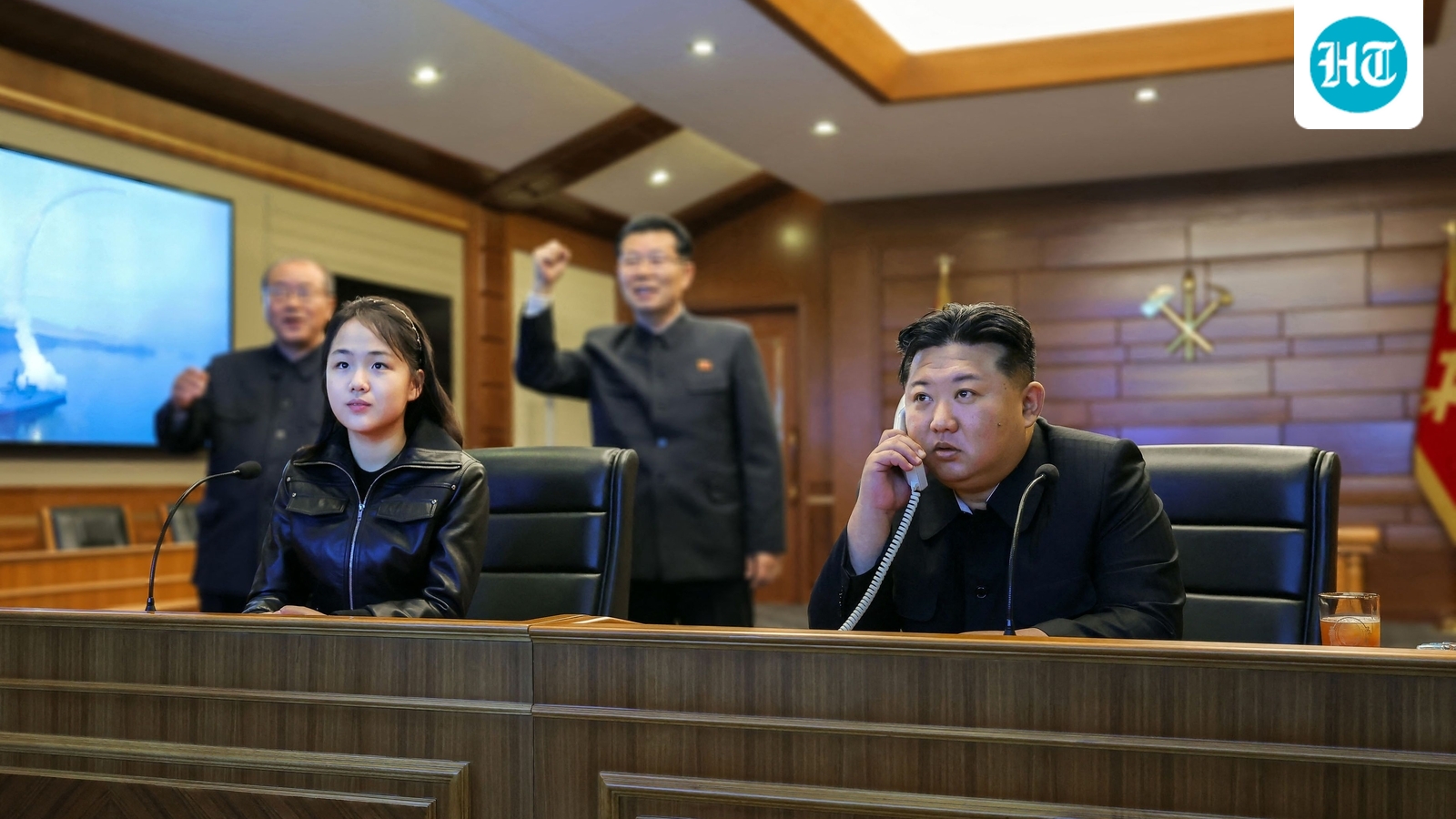
The regime's elite lifestyle also extends to high-fashion apparel, as demonstrated when Kim's daughter, Ju Ae, appeared at a missile launch wearing an expensive designer velvet hoodie. Her public appearances and upscale wardrobe have previously drawn scrutiny and reports of underlying resentment from ordinary citizens struggling under economic constraints.
This accumulation of luxury stands in stark contrast to the daily reality for the broader North Korean population. A United Nations report detailed widespread human rights violations, forced labor, and chronic food scarcity, estimating that roughly 40 percent of the nation remains undernourished. Despite the evident personal leisure and opulence, state-controlled media in North Korea rarely frames these excursions as private vacations, instead portraying all leadership movements strictly as official duties.