


Foreign investors have pulled more than Rs 3 lakh crore out of Indian equities this year, and the persistent selling is heavily impacting investor portfolios. Both the Sensex and Nifty have dropped nearly 14 percent in 2026, while domestic institutional investors struggle to absorb the steady stream of shares entering the market.
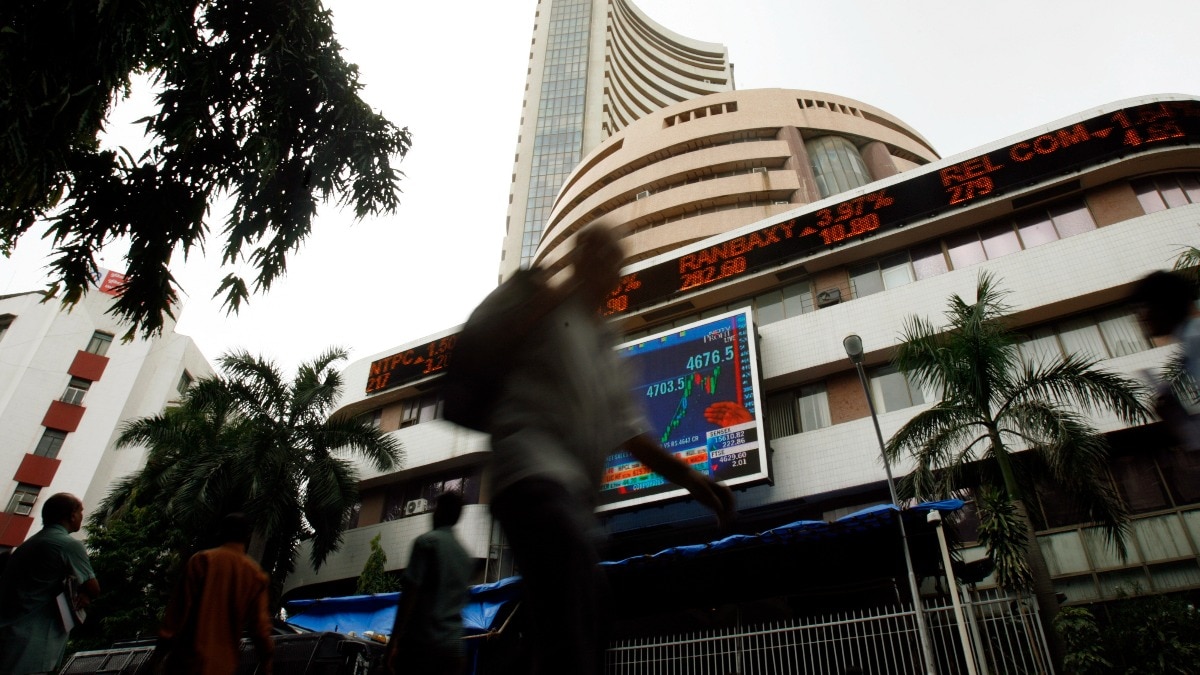
The severe impact was evident during a recent trading session when the Sensex fell 760.44 points, or 1.05 percent, to 71,711.89, and the Nifty 50 declined 200.95 points, or 0.89 percent, to 22,319.50. The combined market capitalization of BSE-listed companies dropped significantly from Rs 480.81 lakh crore to Rs 466.08 lakh crore, wiping out roughly Rs 14.73 lakh crore in a single session due to sinking share prices.
Foreign portfolio investors withdrew Rs 44,166 crore from Indian equities in October alone, bringing their total net outflows for the year to Rs 3.04 lakh crore according to National Securities Depository Ltd data. This far exceeds the Rs 1.66 lakh crore withdrawn during the entire previous year. Although mutual funds, insurers, and other domestic participants have stepped up to buy shares, their efforts have not been enough to halt the market decline.
The current exodus is largely driven by global alternatives rather than domestic factors alone. The yield on 10-year US government bonds has climbed above 5.2 percent, giving international investors a predictable, low-risk return that challenges the appeal of emerging markets. Additionally, a weakening rupee reduces the conversion value of returns for overseas investors, while regional competition from the artificial intelligence-led rally in North Asia draws capital away from India.
Crude oil prices have added further strain, with Brent trading above $100 a barrel amid geopolitical tensions. For India as a major energy importer, elevated oil prices expand the import bill, increase demand for dollars, stoke inflation, and squeeze business margins across sectors like transportation and manufacturing. Furthermore, capital outflows and expensive oil create a compounding cycle that continues to depress the local currency.
Although the Reserve Bank of India recently announced measures to curb dollar demand and ease pressure on the exchange rate—allowing the rupee to strengthen slightly—analysts warn that these interventions offer only short-term relief. A stable currency alone is unlikely to entice foreign investors back unless Indian equities improve their relative attractiveness compared to global yield alternatives.