


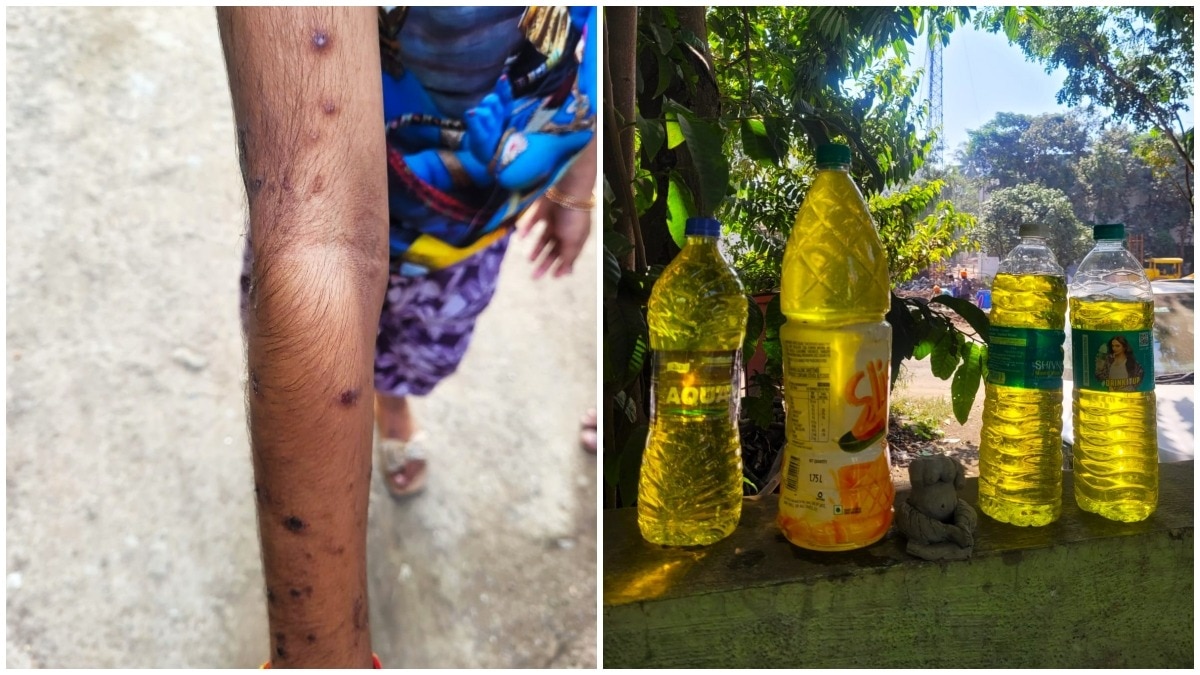
New Delhi: Groundwater in the Ambad industrial sector of Nashik, Maharashtra, has tested positive for dangerously elevated levels of hexavalent chromium, a toxic chemical linked to cancer. The discovery has ignited serious concerns regarding public safety, unchecked industrial pollution, and the potential contamination of the nearby Godavari River just ahead of the scheduled Kumbh Mela gatherings.
Laboratory assessments arranged by the South Asia Network on Dams, Rivers and People revealed a hexavalent chromium concentration of 50.3 milligrams per litre in a local groundwater sample. This measurement stands more than one thousand times higher than the Bureau of Indian Standards acceptable drinking-water threshold of 0.05 milligrams per litre, according to a statement released by the network. Local residents in the sampling area had previously drawn attention to the issue by noticing unusual yellow-colored water emerging from their borewells.
Investigators suggest the pollution likely stems from local industrial operations within the Maharashtra Industrial Development Corporation zone, such as metal finishing, electroplating, and paint production. However, official confirmation of the exact pollutant source necessitates a comprehensive government-led investigation. Hexavalent chromium is a hazardous industrial byproduct known to be carcinogenic to humans, particularly via inhalation, while oral exposure has been linked to tumors in animal studies.
Beyond the severe chemical readings, local families reported various health complications following contact with the tainted water, including skin rashes, painful ulcers, blisters, chronic illnesses, and instances of swollen lymph nodes. Independent medical evaluations are needed to properly verify any direct correlations between these ailments and chromium exposure. Furthermore, monitors warn that the contaminated runoff is reportedly flowing into the Godavari River via a local drainage channel, threatening both local inhabitants and incoming religious pilgrims who utilize the river ghats.
Criticism has also been directed at environmental regulators for lacking transparency, following reports that the Maharashtra Pollution Control Board issued a single show-cause notice to a local enterprise without publicly disclosing its own water quality findings. In response to the findings, advocates are urging authorities to provide alternative drinking water sources, organize local health camps, conduct widespread industrial inspections, and thoroughly test the Godavari River downstream to safeguard public health.