


Kirill Dmitriev, Russia’s primary negotiator with the United States regarding the conflict in Ukraine, has publicly celebrated recent developments on social media. President Donald Trump's shift toward Russia, highlighted by a temporary waiver of sanctions on countries purchasing Russian oil, was lauded by Dmitriev as a historic moment. He also pointed to recent street protests in Paris and Milan as evidence that European citizens are growing weary of supporting the war. This perspective mirrors the concerns of Ukrainian President Volodymyr Zelensky, who acknowledged in an interview that Ukraine cannot prevail if the United States fully aligns with Russia.
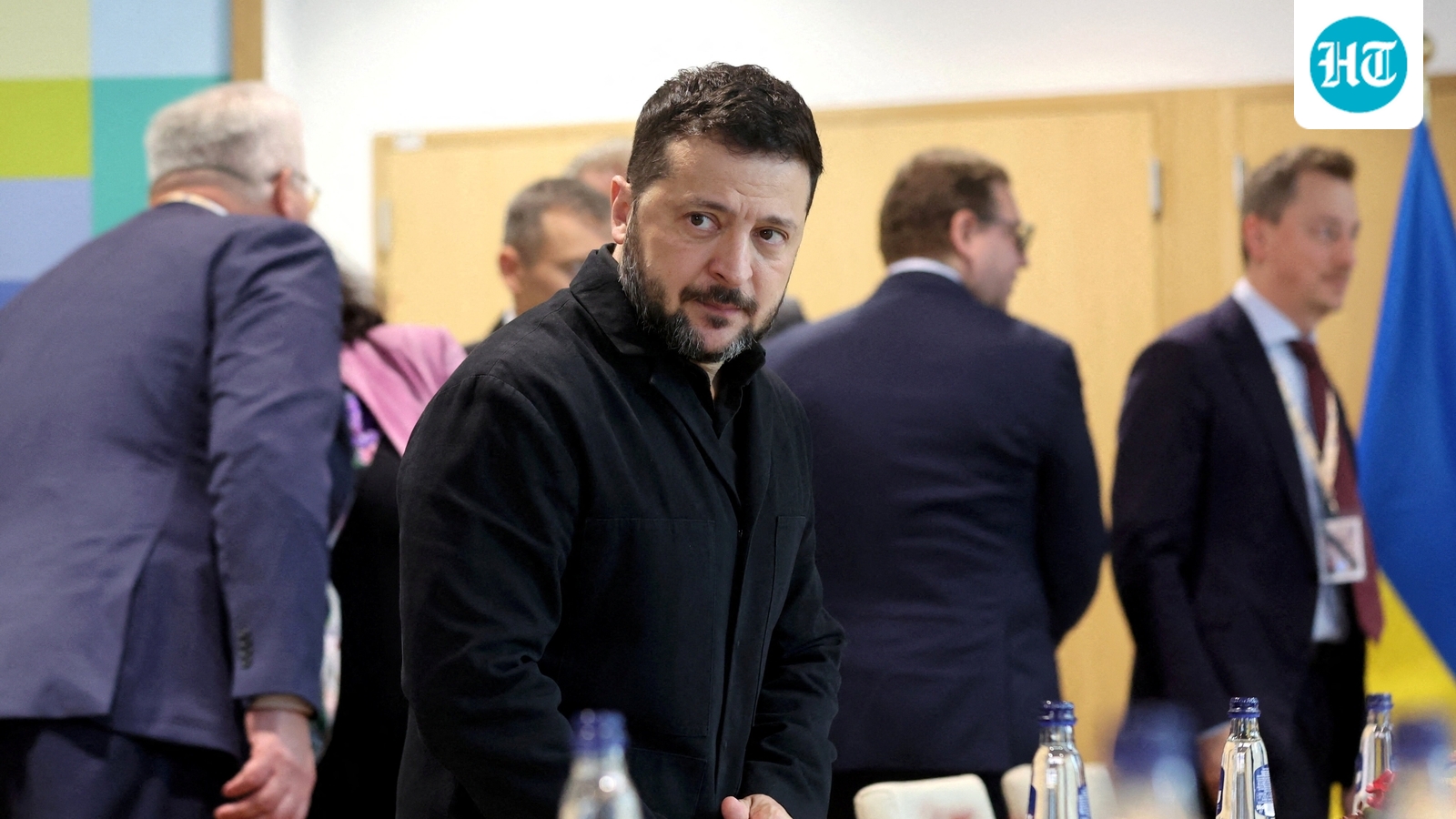
During an October summit in Brussels, Zelensky praised European counterparts as true leaders, yet those same leaders face mounting difficulties. While largely united in their backing of Ukraine, European nations are deeply anxious about a potential transatlantic breakdown and are incapable of fully replacing vital American military and intelligence capabilities. At the same time, they must contend with aggressive Russian grey-zone sabotage, domestic fiscal strain, and increasingly polarized political landscapes at home.
Political divisions are visible across Europe, including in Germany. Chancellor Friedrich Merz asserted that Europe must not abandon Ukraine and its people, while populist figures like Alice Weidel of the Alternative for Germany argue that continued financial backing drains taxpayers and urge a return to Russian energy trade to lower costs.
Until recently, European leaders believed they had successfully steered Trump away from cutting deals with Russia at Ukraine's expense. However, with American midterm elections approaching and Republicans facing potential losses in Congress, Trump altered his approach. He announced a temporary sanctions relief agreement with Vladimir Putin to facilitate Russian diesel sales, followed by an unsuccessful push for an energy infrastructure ceasefire between the warring nations.
Complications mounted as Ukraine experienced disruptions in satellite connectivity and a lack of warnings regarding ballistic missile attacks, though officials claimed no direct orders were issued to halt support. Despite these pressures, Ukraine launched a massive drone assault against St. Petersburg, setting an oil terminal ablaze. Chancellor Merz defended these long-range strikes as a necessary means of self-defense.
Zelensky maintains that concessions to Russia only prolong the war, though his open criticism of Trump risks permanent estrangement and a weakened battlefield stance. Europe's defense industries and allied governments cannot yet replicate crucial American assets, such as ballistic missile early warning systems, Patriot interceptor missiles, and dense low-Earth orbit satellite networks like Starlink.
Financial strains also plague Europe's support efforts. Following an earlier EU approval of billions in loans for Ukraine, Zelensky requested substantial additional funding for the coming year to bolster domestic weapons production, receiving a sympathetic ear but no firm commitments. Many European governments are constrained by heavy debts and high energy prices, while debates persist over utilizing frozen Russian assets. Belgium, holding the bulk of those funds, has resisted the move over property rights concerns, even as American officials have reportedly suggested tapping those assets to encourage peace talks.
European leaders remain firm that decisions regarding frozen assets rest with them. The primary consolation for European allies is the rising bipartisan criticism of Trump within the United States. While potential congressional losses for Republicans could embolden Ukraine's supporters, a chastened American president might also lash out more aggressively against perceived foreign foes.