


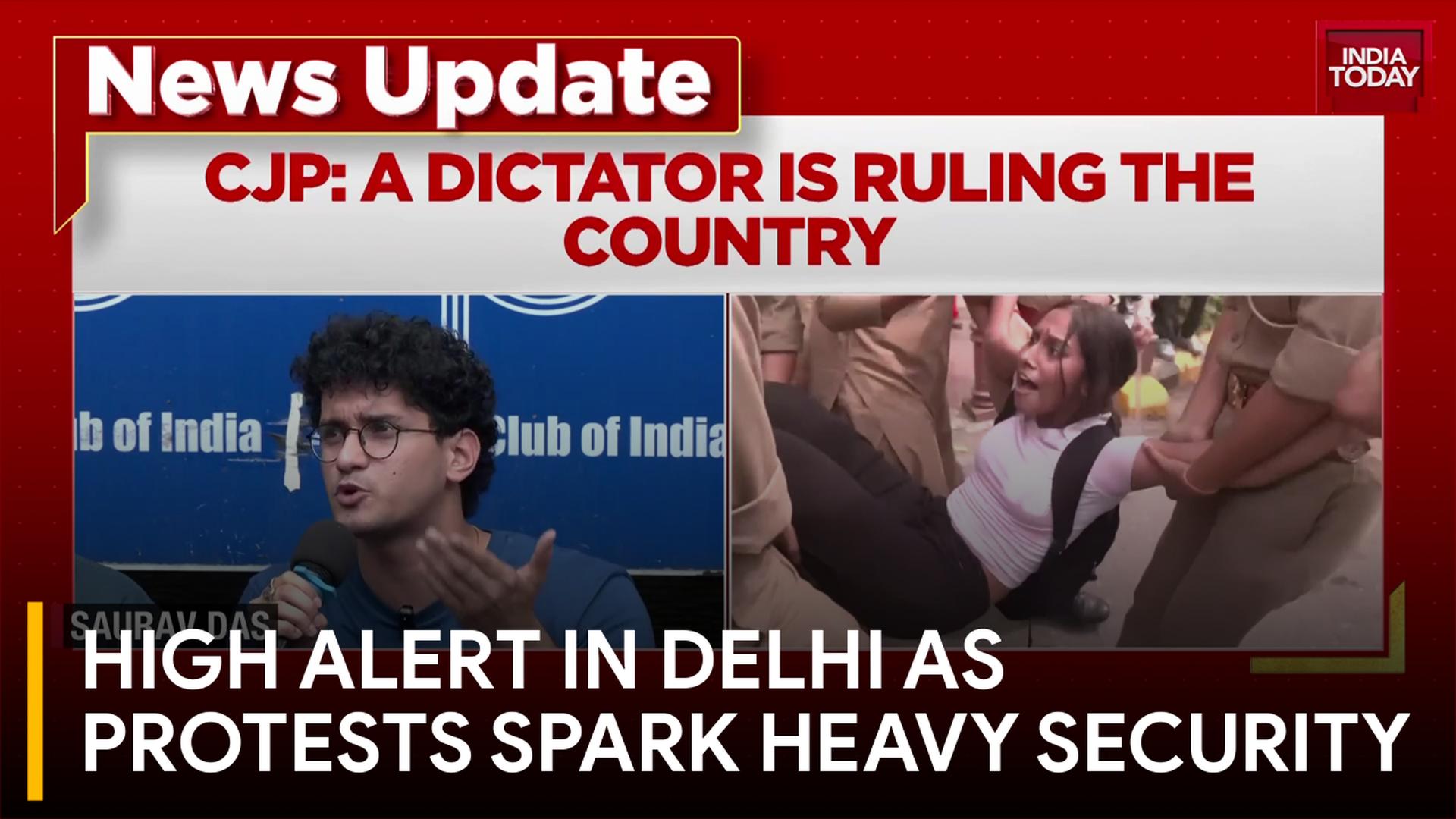
Delhi was transformed into a heavily fortified zone as authorities implemented severe restrictions and massive security deployments in response to ongoing youth protests. Critics and organizers addressing the media described an emergency-like atmosphere throughout the capital, pointing to the deployment of between 30,000 and 40,000 security personnel to manage the unrest.
The widespread security clampdown caused major disruptions across the city. Authorities shut down 57 metro stations, canceled numerous trains, and forced local businesses and shops to close their shutters. Protesters attempting to travel toward designated demonstration venues to voice their grievances encountered severe hurdles and roadblocks set up by law enforcement.
During the press briefing, severe allegations were raised regarding the treatment of activists and demonstrators. Speakers claimed that certain activists were forcibly removed and detained directly from an aircraft without being provided proper grounds for arrest or official documentation. Furthermore, reports emerged that detainees had their mobile phones seized without standard seizure memos and were allegedly denied access to legal representation.
Additional concerns were voiced regarding the potential tampering of digital evidence, the mistreatment of movement coordinators while in custody, and police interference targeting independent journalists who were attempting to cover the demonstrations. The comprehensive measures reflect heightened tensions between authorities and protesters in the national capital.