


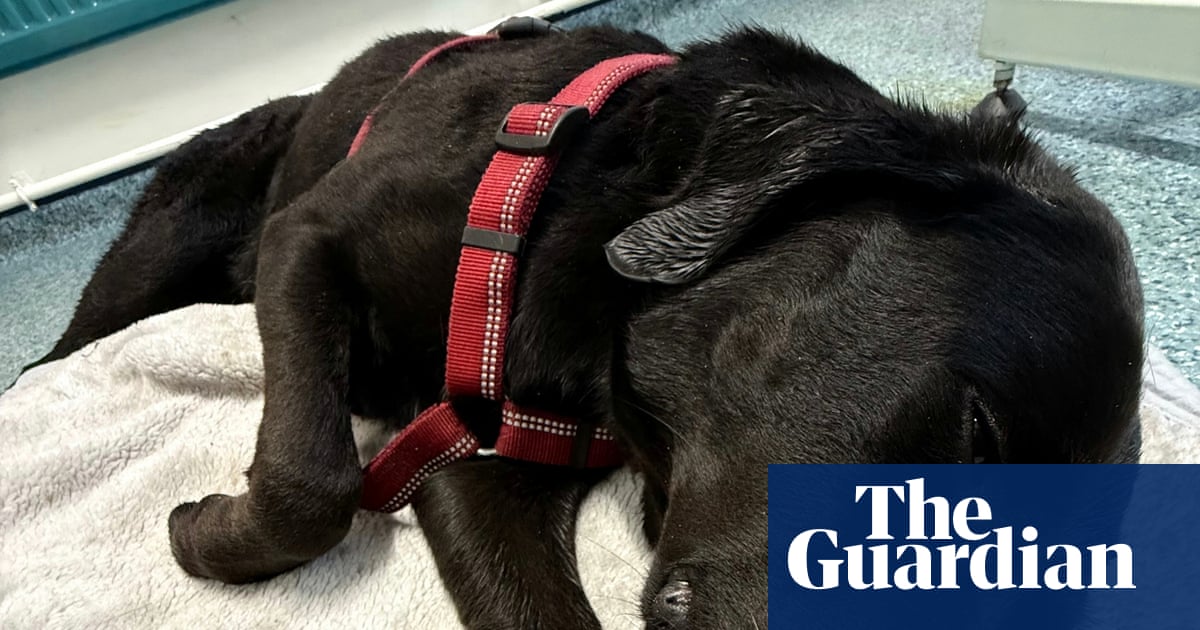
A record number of pets are ingesting recreational drugs and requiring emergency veterinary care across the United Kingdom. Last year, the country's sole emergency poison centre for animals handled its highest ever volume of calls regarding animals poisoned by substances such as cannabis, cocaine, magic mushrooms, and nicotine, and the service is on track to surpass those figures.
The organization operates two primary hotlines: the Veterinary Poisons Information Service for veterinary professionals and the Animal PoisonLine for general owners. Data shows a 42% increase in toxicology inquiries involving recreational drugs and nicotine, jumping from 445 calls in 2024 to 633. This rise outpaced the general 26% growth in total calls received by the center over the same timeframe, with the facility now averaging roughly one call per day concerning recreational drug ingestion.
Experts note that dogs account for the vast majority of these incidents because they are far less selective about what they consume than cats. Highly food-motivated breeds, including Labradors, golden retrievers, and beagles, face the highest risk. Owners report that pets frequently poison themselves by eating discarded nicotine gum, vaping liquids, or human waste and vomit containing drug residues found in public parks, alleyways, and wooded areas.
Among those affected was a pug-jack russell cross named Lola, who collapsed after consuming toxic remnants in a Cambridge cemetery where police had previously seized class A and B substances. In another notable incident, a six-year-old Labrador named Tokyo had to be stretchered off Ben Nevis by a mountain rescue team after losing control of her hind legs and becoming unresponsive near the summit. Veterinarians later confirmed she had ingested cannabis, leading to severe symptoms including low body temperature and loss of consciousness.
Specialists advise pet owners whose animals show signs of drug intoxication to bypass general helplines and seek immediate veterinary assistance. Treating veterinarians can then contact poison experts directly for specialized treatment guidance, helping pets recover after interventions such as activated charcoal administration and overnight observation.