

Women living with a chronic hormonal condition should receive taxpayer-funded access to modern weight loss medications, according to health advocates. The Polyendocrine Metabolic Ovarian Syndrome Association of Australia is pushing for GLP-1 receptor agonist drugs to be approved on the Pharmaceutical Benefits Scheme for individuals managing the condition.
Previously known as polycystic ovarian syndrome, PMOS impacts roughly one in eight women. The lifelong condition has no known cure and presents symptoms such as irregular menstrual cycles, facial and body hair growth, thinning hair, and weight gain. Furthermore, it elevates the risk of developing type 2 diabetes, cardiovascular disease, and endometrial cancer.
While GLP-1 medications are not specifically greenlit by the Therapeutic Goods Administration for treating PMOS, some patients are currently prescribed the drugs off-label. Recent research indicates that roughly half a million Australians regularly use weight-loss medications.
Lorna Berry, a spokesperson for the advocacy group who received her diagnosis at age 32, expressed that subsidising GLP-1s for PMOS patients alongside increased funding for evidence-based research would represent a significant step forward. She emphasized the importance of equitable access to medicine regardless of geographic location or background, noting that high out-of-pocket costs amounting to hundreds of dollars monthly already price some women out of treatment.
Meanwhile, the Royal Australasian College of Physicians does not currently hold an official stance regarding the appropriateness of GLP-1s for managing PMOS. Associate Professor Magdalena Simonis, a general practitioner and women's health spokesperson for the college, pointed out that these medications are not the sole available option and noted the reality of long-term expenses, adding that historically, women's health conditions are often overlooked in funding updates.
Simonis explained that should upcoming research prove these weight-loss drugs outperform current treatments, a broader national conversation regarding health equity and obesity will be required. GLP-1 medications function by mimicking a natural hormone that assists in blood sugar regulation and appetite suppression.
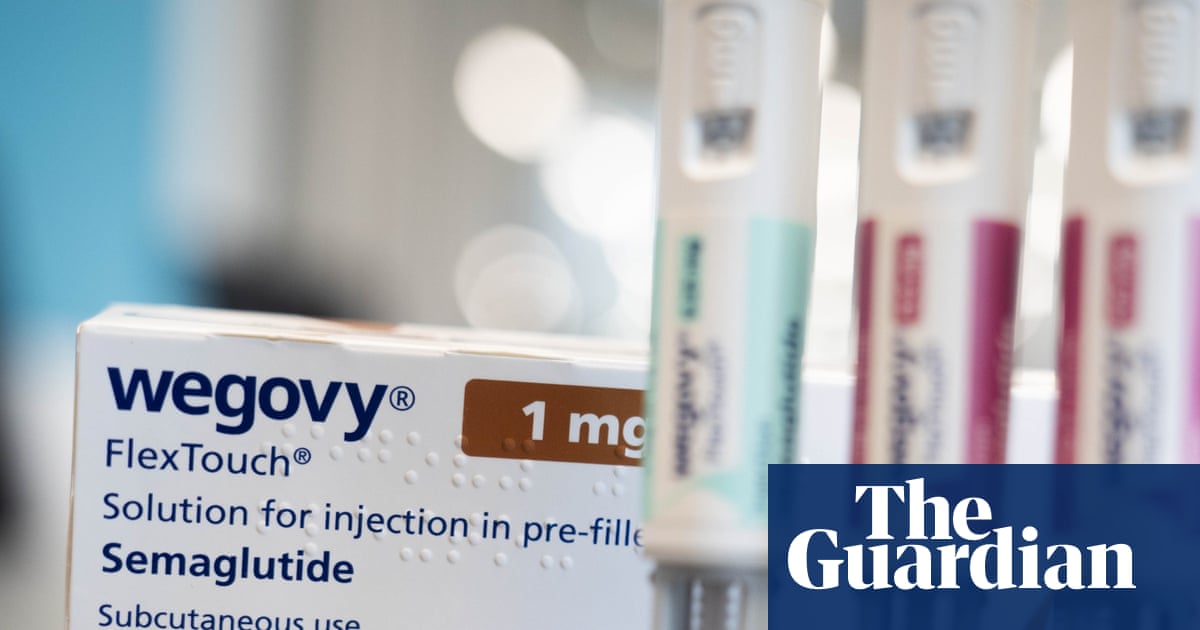
Currently, the drug Ozempic is listed on the PBS strictly for diabetes treatment. The Pharmaceutical Benefits Advisory Committee previously recommended Wegovy subsidies for individuals with a body mass index exceeding 35, and the committee is slated to review a revised proposal from manufacturer Novo Nordisk regarding obesity listings following prolonged negotiations.
QENDO, another organization representing those affected by PMOS and related health issues, acknowledged a rising interest in utilizing GLP-1 medications for symptom management, particularly regarding metabolic complications and weight struggles. Acting chief executive Kate Fisher noted that while preliminary evidence highlights potential advantages for certain patients, additional research remains necessary to verify long-term safety and effectiveness specifically for PMOS.