


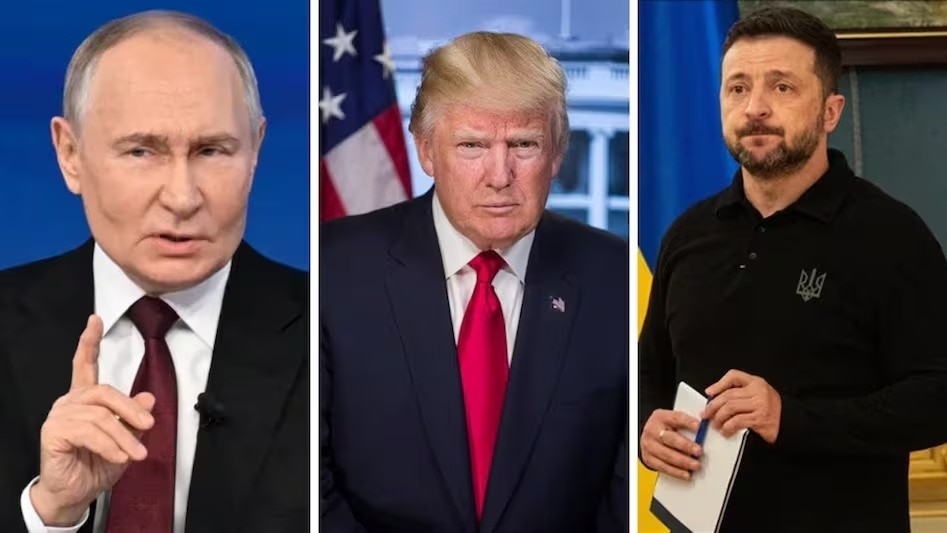
United States President Donald Trump stated that Russia has agreed to immediately supply more than 300,000 metric tons of diesel to the United States and international markets. The decision comes as his administration works to address rising fuel expenses prior to the November 3 midterm elections.
Trump revealed the arrangement following what he characterized as a productive discussion with Russian President Vladimir Putin. Writing on social media, Trump indicated that Moscow will deliver an additional 500,000 metric tons in November, followed by another 1 million metric tons shortly thereafter. The US Treasury Department subsequently issued a general license permitting Russian diesel imports through April 7, despite existing sanctions on Russian energy firms.
Ukrainian President Volodymyr Zelensky sharply denounced the agreement, describing it as a financial contribution to a conflict that requires conclusion rather than continuation. Zelensky argued that allowing petroleum sales grants Moscow extra revenue to sustain its military operations against Ukraine. He emphasized that any relaxation of sanctions without a clear and lasting de-escalation agreement plays into Russia's hands.
The announcement coincided with a visit by a bipartisan congressional delegation to Kyiv, where discussions focused on strategies to address the conflict. Zelensky told reporters that the arrangement effectively provides Moscow with vital resources for the war and undermines peace efforts, calling it a weak decision by strong partners.
Trump maintained that lower fuel costs for American consumers, particularly farmers, ranchers, and truckers, remain his primary objective. The initial delivery of 300,000 metric tons equates to roughly 2.25 million barrels, compared to the approximately 1.5 million barrels of diesel exported daily by the United States. Meanwhile, analysts have expressed skepticism regarding whether the proposed Russian volumes will significantly alter broader market prices.