


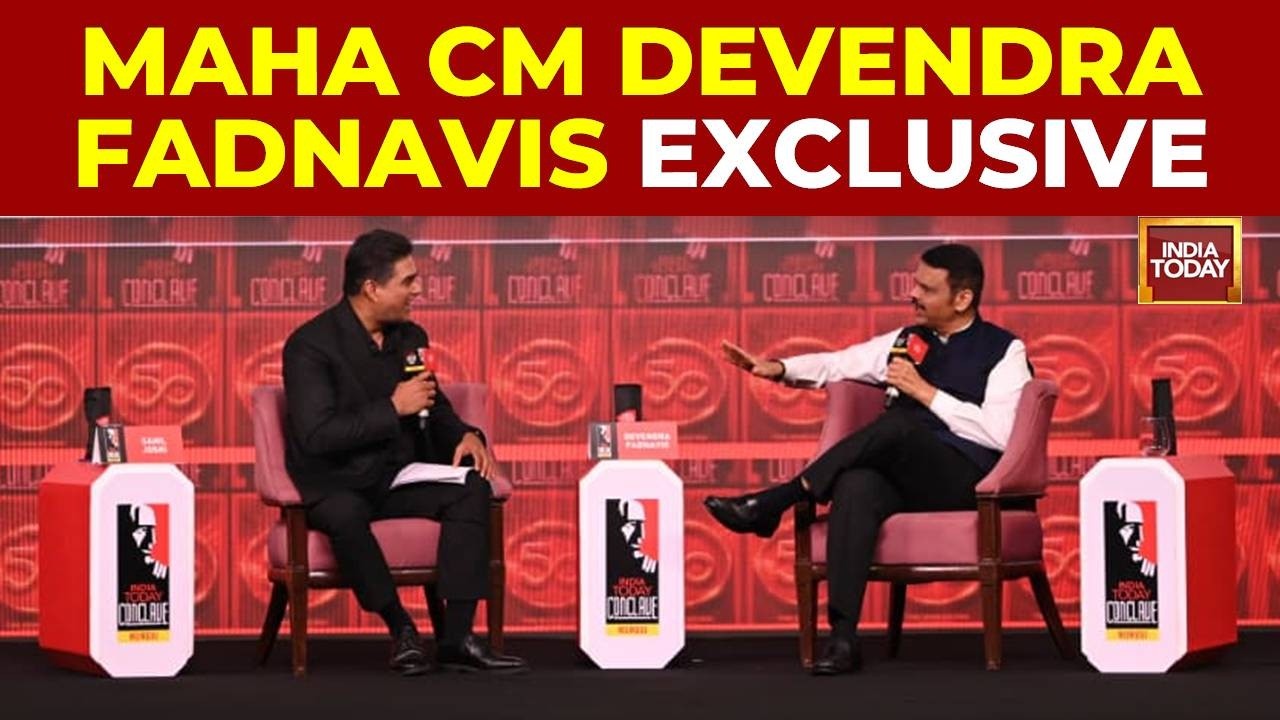
Maharashtra Chief Minister Devendra Fadnavis recently discussed critical governance hurdles in the state, political agitations, and the Bharatiya Janata Party's changing communication strategies. Identifying severe drought conditions driven by El Niño, which have impacted 75 percent of crops across the state, as the most urgent challenge, Fadnavis asserted that the administration remains firmly under his management.
Turning to nationwide student and political demonstrations, Fadnavis divided them into legitimate grievances and orchestrated protests fueled by ultra-leftist agendas intended to discredit constitutional bodies. Describing these organized demonstrations, he stated that this amounts to anarchy. Furthermore, he noted that democratic administration requires reaching out to all segments of the population, including Generation Z, while stressing the vital importance of social media outreach.
Separately, during the India Today Mumbai Conclave, former Election Commissioner Ashok Lavasa and former Chief Election Commissioner O. P. Rawat voiced significant worries regarding the recent behavior of the Election Commission of India and the Special Intensive Revision procedure. Lavasa contended that altering Form 6 without prior government sanction went beyond the authority of the poll panel, remarking that the Commission lacked the competence to change the rules.
Both former commissioners also discussed voter exclusions in West Bengal, pointing out that statutory frameworks under the Representation of the People Act of 1950 mandate the use of existing electoral rolls if revisions are unfinished. Regarding institutional transparency, Rawat stressed that Election Commissioners ought to maintain objectivity without requiring formal statutory protection, questioning the need for immunity when an official is impartial, objective, and above board. The speakers additionally evaluated centralized voter management software, executive panels for appointments, and public confidence in democratic electoral integrity.