


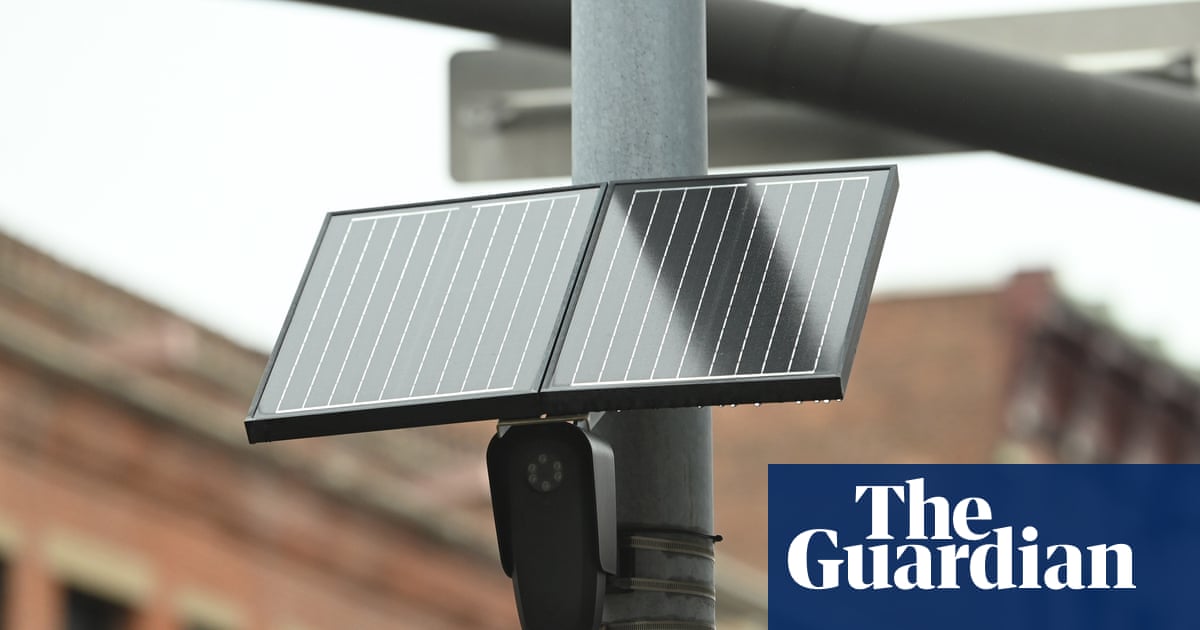
Flock Safety plans to eliminate approximately 18% of its workforce, according to individuals familiar with the matter, as the artificial intelligence surveillance and license-plate reader manufacturer confronts escalating opposition from lawmakers and local communities.
The upcoming reductions follow a prior voluntary buyout initiative and are anticipated to impact around 270 workers at the rapidly expanding technology startup. Affected employees are scheduled to depart by the end of the month, though sources requested anonymity because the restructuring has not yet been publicly disclosed. Flock declined to provide a comment on the situation.
In September, the company initiated a voluntary separation program allowing staff members to apply for departure. Flock currently employs a total workforce of roughly 1,500 people.
The planned reductions arrive as the company faces heightened examination from regulators, privacy advocates, and legislators, despite maintaining strong backing from venture capital investors. A recent Reuters/Ipsos survey indicated that public opinion remains divided regarding the presence of Flock devices, with 38% of Americans supporting community usage and 47% expressing opposition.
Operating across 49 states, Flock maintains a network of approximately 120,000 AI-powered cameras mounted along streets and highways to automatically scan license plates and document passing vehicles. Established in 2017 and headquartered in Atlanta, the startup has secured over $950 million in venture funding, including a $275 million funding round in March spearheaded by Andreessen Horowitz that placed its valuation at $7.5 billion. The capital has previously been directed toward a domestic manufacturing facility and preparations for a new line of drone equipment.
Flock supplies its hardware and software systems to more than 4,800 law enforcement organizations and nearly 1,000 commercial entities. While the firm maintains that its technology assists in solving and investigating crimes, it has encountered intensifying criticism surrounding data-sharing practices and potential privacy breaches.
Public resistance has widened significantly. Florida enacted a ban in September prohibiting automated license plate readers on state roadways due to privacy concerns associated with the equipment. Additionally, shareholders at Home Depot recently requested evaluations of corporate partnerships with surveillance vendors following reports that Flock information was utilized in immigration enforcement operations.
Flock also contends with various legal hurdles, including a privacy lawsuit filed in Virginia claiming that the extensive installation of its AI cameras amounts to warrantless monitoring. Alongside the rise of AI datacenters, the deployment of Flock cameras has increasingly become a prominent political issue, with candidates frequently targeting opponents by associating them with the surveillance technology.