


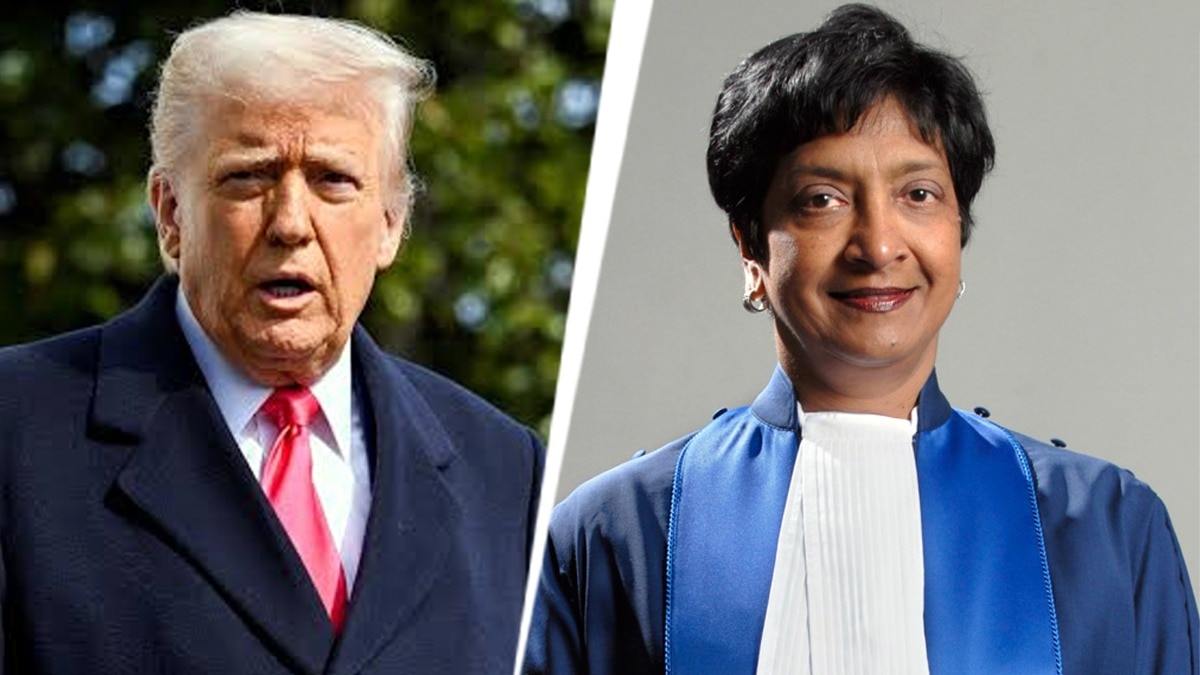
Hours after Navi Pillay received the Nobel Peace Prize, the United States imposed sanctions on the International Criminal Court, sharpening Washington's ongoing conflict with the tribunal and raising the prospect of friction with European allies. The Nobel Committee recognized Pillay, a South African jurist who served on the ICC’s Appeals Chamber from 2003 to 2008, amid concerns over growing political pressure and attacks on international legal institutions. The award was presented as a clear show of support for tribunals seeking to hold perpetrators of serious international crimes accountable.
Just hours later, the Trump administration announced new sanctions against the institution, which investigates and prosecutes genocide, war crimes, and crimes against humanity. The court quickly condemned the decision as a direct assault on the rule of law and the foundations of the international legal order, urging its 125 member states to defend its independence. The ICC warned that the consequences extend far beyond a single organization and that history will judge how nations respond to the threat.
The latest measures mark a significant escalation in Washington's longstanding hostility toward the court. US Secretary of State Marco Rubio stated that the sanctions were designed to prevent the tribunal from pursuing American citizens and to cut off the organization's financial resources. Washington has repeatedly criticized the court over arrest warrants issued against Israeli officials, as well as its past investigations into alleged crimes by US personnel in Afghanistan.
Despite the harsh measures, the US Treasury announced a six-month initial grace period along with exemptions covering specific transactions involving telecommunications, software, pension payments, and detainees. Rubio noted that the grace period was intended to give the court and its member states an opportunity to address Washington's demands, leaving a potential window for dialogue.
The announcement places the United States on a possible collision course with European allies that strongly support the ICC. European Union foreign policy officials emphasized that the grace period offers time for consultation, while various European leaders explored options to shield the court from the effects of the US measures. Meanwhile, ICC officials stated that their ongoing investigations, situations, and prosecutions would continue despite the disruptions.