


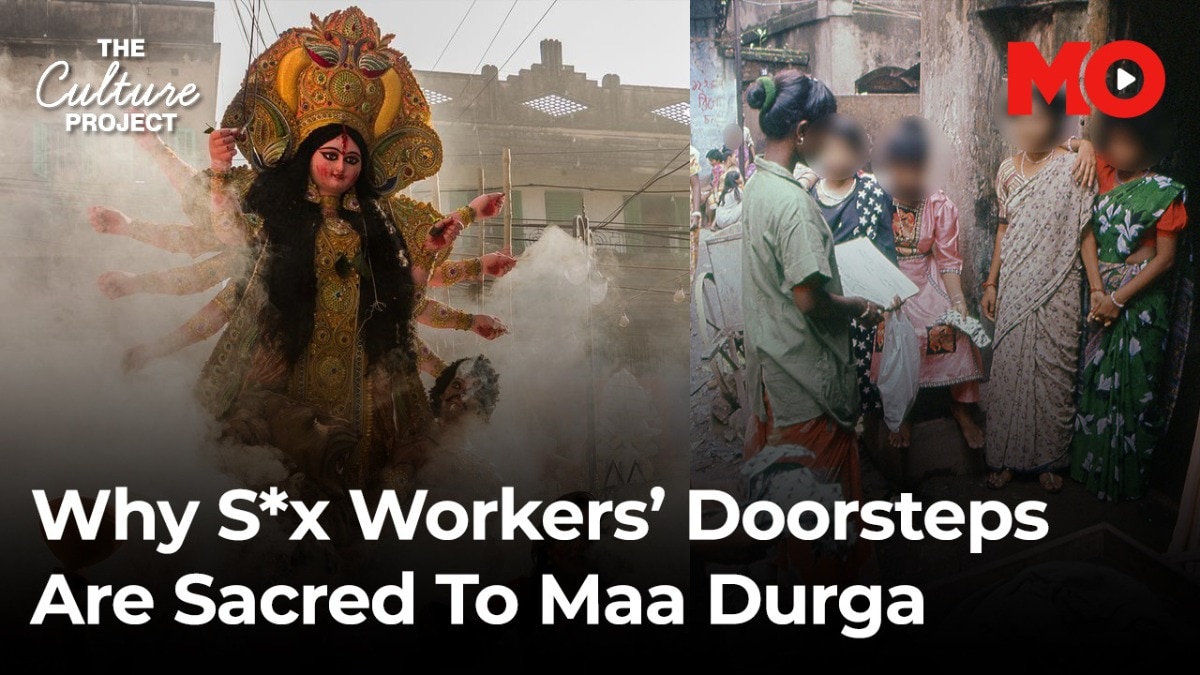
Every year, as the idol of Maa Durga takes physical shape across Kolkata, a small amount of earth collected from the doorstep of a sex worker is traditionally incorporated into the goddess. Referred to as punya mati, or sacred soil, this age-old ritual embodies a profound societal paradox, wherein a location historically marginalized and deemed impure by mainstream society is paradoxically believed to hold the essential virtue required to manifest the divine.
However, this long-standing custom has faced growing pushback as sex workers, particularly within areas like Sonagachi, increasingly choose to reject the practice. This shift prompts difficult conversations regarding societal notions of purity, human dignity, and the true boundaries of inclusion within cultural traditions.
In a recent episode of the Culture Project, presenter Labanya Maitra examines the underlying history, mythological roots, and uneasy contradictions that define the collection of sacred soil for the worship of Maa Durga.