


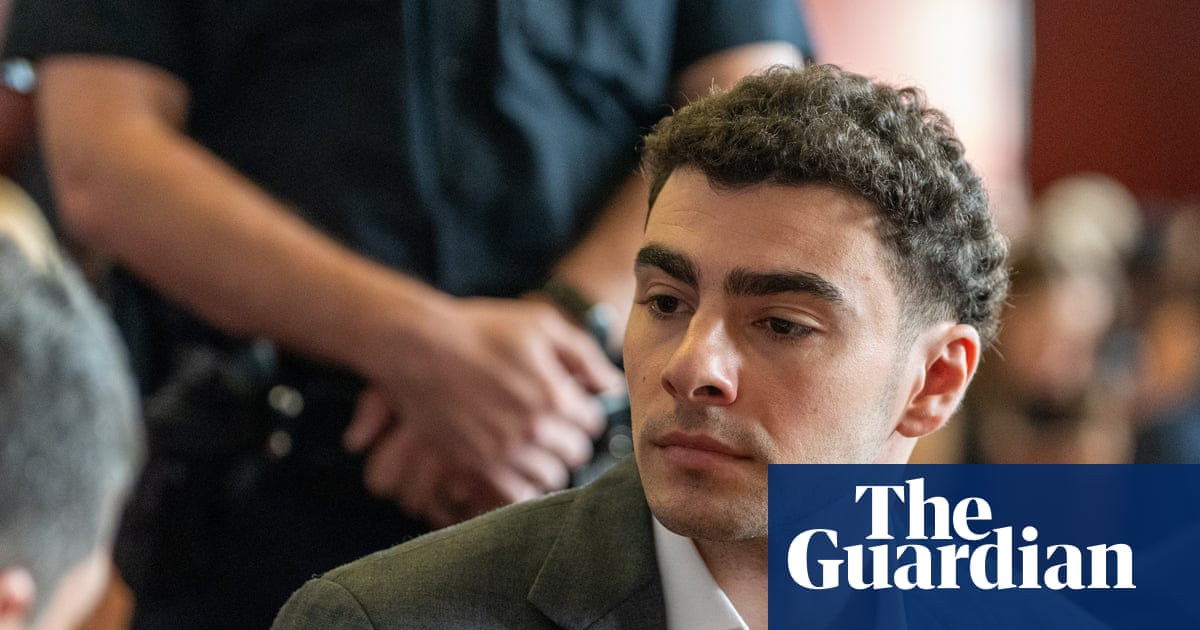
Manhattan prosecutors filed paperwork opposing Luigi Mangione’s arguments for dismissing his state-level case in the killing of UnitedHealthcare executive Brian Thompson.
Mangione pleaded guilty to federal charges in Thompson’s December 2024 killing outside a Midtown hotel, weeks before his scheduled New York state murder and weapons trial. The killing had prompted an intense manhunt and sparked public outrage against the practices of the for-profit US healthcare industry.
Shortly after he entered his guilty plea to two federal stalking charges, Mangione’s legal team filed a motion to dismiss the state-level murder case against him.
Judge Gregory Carro, who is overseeing Mangione’s state case, subsequently postponed the proceedings and scheduled the next court date for December 10. Carro directed prosecutors to respond to Mangione’s push for dismissal and gave his defense a later deadline to reply.
Mangione’s defense has argued that New York state double jeopardy law prohibits him from being prosecuted by the Manhattan district attorney’s office. New York state law holds that a person may not be twice prosecuted for the same offense or separately prosecuted for two offenses based upon the same act or criminal transaction.
Manhattan prosecutors argued in their papers that Mangione’s murder case can proceed under an exception to the state double jeopardy law. They insist that elements of the federal stalking and state murder charges do not overlap in a way that would trigger double jeopardy protections.
Mangione has claimed that Manhattan prosecutors cannot pursue weapons charges against him because he had previously faced federal weapons counts. However, the federal court dismissed those counts, Manhattan state prosecutors noted.
Statutory double jeopardy applies only when a defendant has been separately prosecuted for the same misconduct, and dismissed federal charges do not constitute a separate prosecution, they argued. As for the murder charge, Manhattan prosecutors insist that the federal stalking charges Mangione pleaded guilty to are dramatically different from his state murder case.