


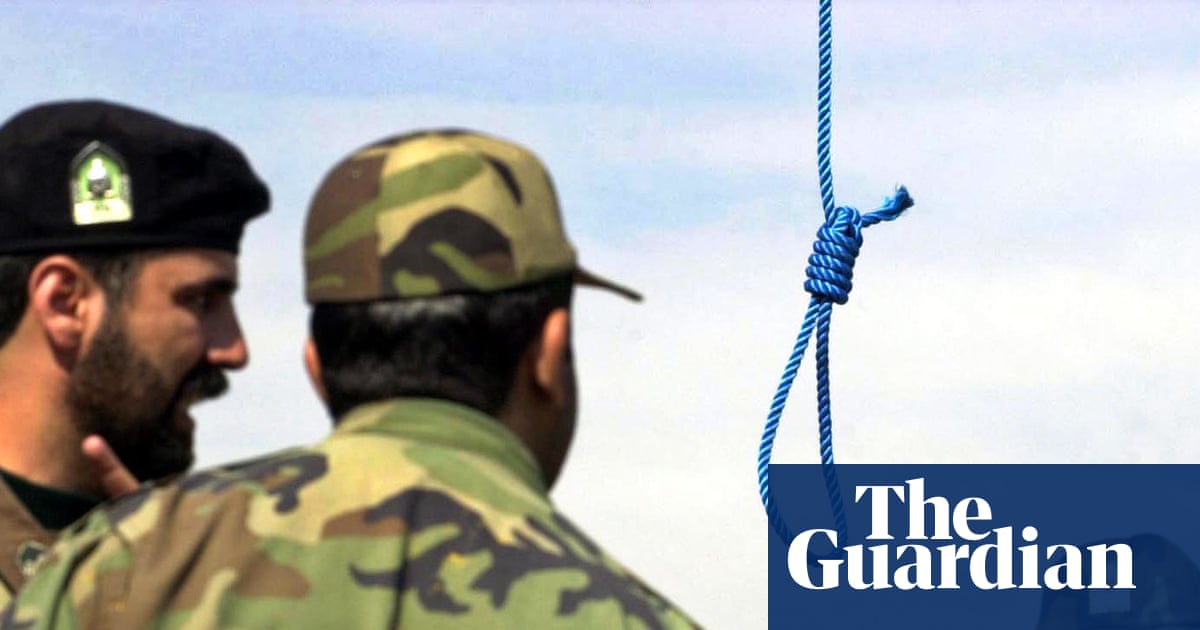
Plans by the US defense secretary to stage a public execution closely resemble the notorious practices historically employed by the Iranian regime. Having struggled to defeat Tehran on the battlefield, the US official has proposed enforcing the death penalty as a grand public spectacle, suggesting that citizens need to witness serious consequences firsthand.
The target of this proposed public execution is Nidal Malik Hasan, a former army psychiatrist convicted of killing 13 people at the Fort Hood military base in Texas in 2009. The prospect of a televised or widely viewed lethal event invokes stark parallels to public executions witnessed in foreign states, such as the 2005 hanging of a serial killer from a crane in Pakdasht, Iran.
During that historical event in Iran, authorities actively summoned the local population to watch the proceedings, transforming a grim punishment into a mass public exhibition. Officials utilized the display to project authoritarian control and satisfy public demands for retribution, fostering a dark carnival atmosphere that left a lasting impression on foreign observers.
While high-profile American executions in the past, such as the lethal injection of Oklahoma City bomber Timothy McVeigh in 2001, occurred behind closed doors within federal prison walls, the new proposal breaks sharply with that precedent. By deliberately embracing a voyeuristic public spectacle to demonstrate state power, Washington risks adopting the very methods it has long criticized.
This shift in approach raises difficult questions about how closely the punitive tactics of Washington under Donald Trump may begin to mirror the values and governance styles of Tehran.