


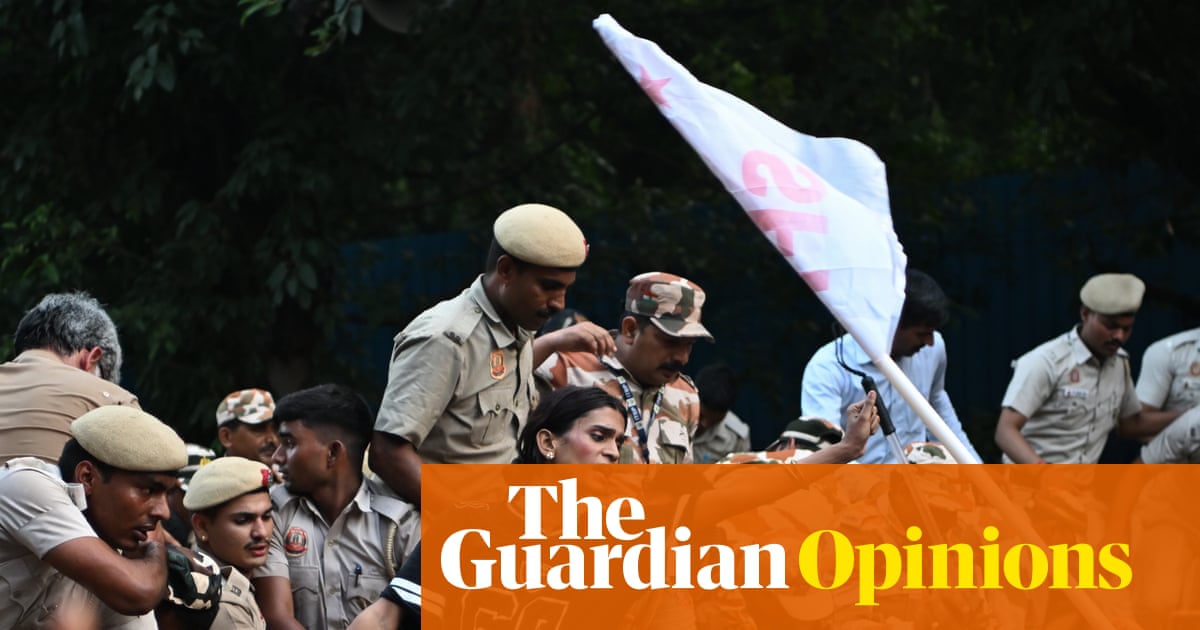
In July, as supporters of the Cockroach movement gathered at Jantar Mantar in Delhi, angered by exam-paper leaks and demanding the resignation of India's education minister, the rest of the nation witnessed a turning point. For the first time since the Bharatiya Janata party came to power in 2014, the grip of fear and political inertia was broken, puncturing Prime Minister Narendra Modi's image of invincibility. While Indians are typically conditioned to expect slow-burn protests that yield gradual change, the Cockroach movement demonstrated that political resistance could accelerate rapidly.
Following initial rounds targeting the education minister, the movement expanded its demands to include the resignation of India's chief election commissioner, Gyanesh Kumar, following investigative reports detailing a purge of voter rolls. Unlike a cabinet minister, Kumar cannot easily be used as a scapegoat; his departure would directly imply a compromised electoral system and implicate the prime minister.
The response from the ruling party has involved state apparatuses, including journalist detentions, physical crackdowns on protesters, and capital-city internet blackouts. Although movement leaders faced preventive detention at Delhi airport before demonstrations on 10 October, leftwing and Congress-allied student organizations, alongside prominent young activists, held the ground against police forces. Protests culminated on 12 October when opposition figures mobilized crowds in an act of defiance, meeting a massive security deployment of 90,000 personnel, widespread railway cancellations, and the closure of 45 metro stations.
Despite heavy-handed tactics, including the jailing of returning Cockroach leaders Saurav Das and Ashutosh Ranka after attempting to enter Jantar Mantar, demonstrators maintained a festive atmosphere. Characterized by songs, dancing, satirical placards, and slogans mocking the government—such as a popular chant accusing the prime minister of hiding behind the police—the demonstrations reflected a widespread sense that the state was on the defensive.
State anxiety became apparent on 16 October when authorities fortified Connaught Place in central Delhi ahead of a planned flag-waving celebration by the movement. The municipal council closed Central Park, deploying 220 companies of central armed forces alongside rapid action and local police units. Movement leaders Abhijeet Dipke and Neha Bora were detained en route, held without immediate access to legal counsel, and later released on bail.
For more than a decade, the administration marginalized dissenters by labeling them anti-national under stringent laws. The Cockroach movement subverted this strategy by utilizing the Indian national flag for public demonstrations, turning patriotic symbols against a government that appeared increasingly uncertain of its own legitimacy. Furthermore, attempts to control digital discourse through internet blackouts and summons to tech executives indicated that the administration's historical dominance over social media algorithms and online messaging is facing serious challenges from a resilient new generation of protesters.