


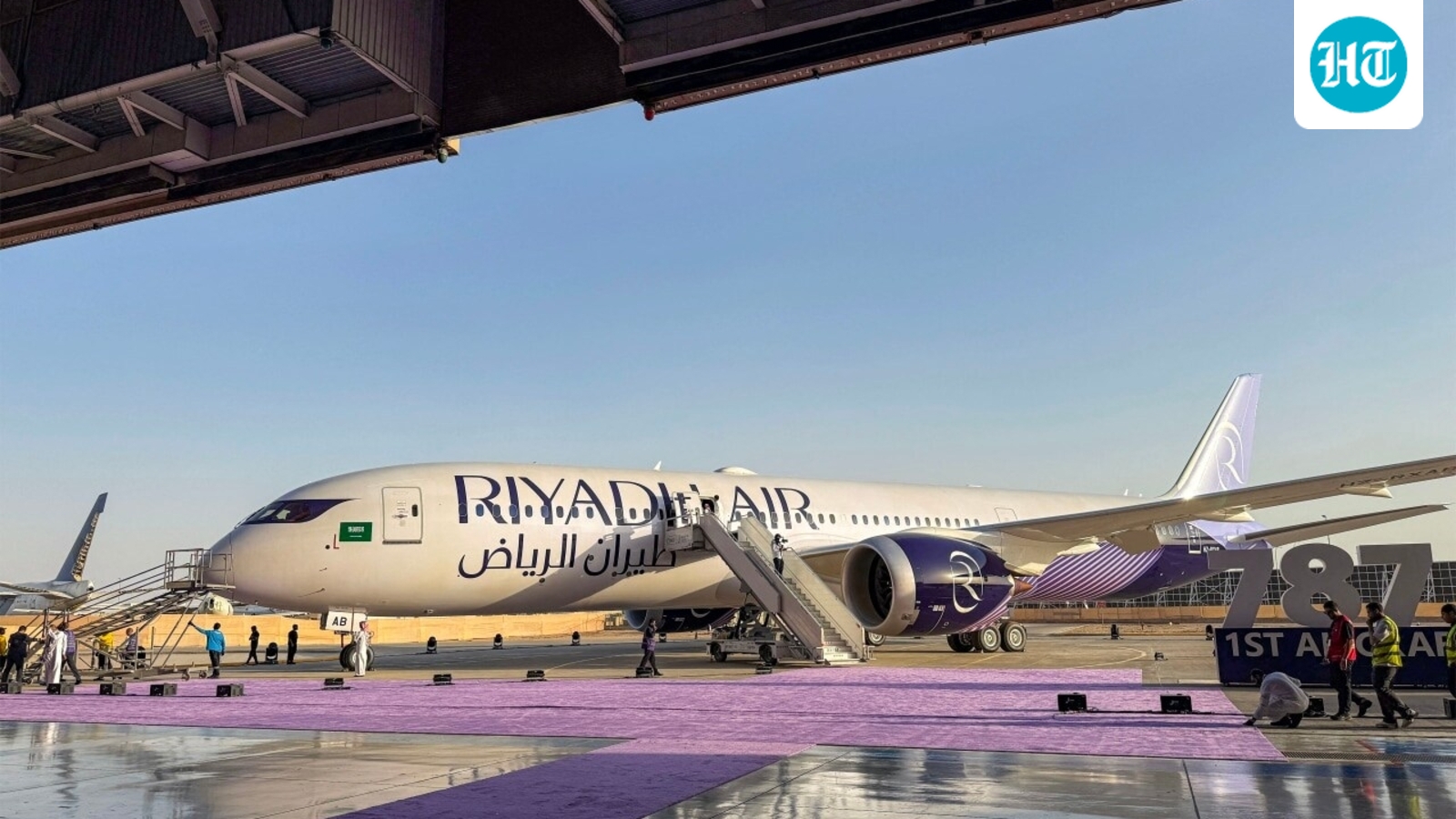
Violence aimed at civilian aviation has severely disrupted a startup company intended to serve as a major lever in Saudi Arabia's long-term economic ambitions. The day after a missile struck the airport housing Riyadh Air's offices, the carrier's British chief executive attempted to calm employee anxieties.
Chief Executive Tony Douglas wrote in a companywide note that leadership would never operate a flight or maintain an active building without full confidence in its safety. He stated that the airline headquarters remained open for business as usual, despite a strike occurring just a couple of miles away that destroyed an aircraft and killed three people, including a pilot at a sister airline.
Within 24 hours, the Houthi militia in neighboring Yemen launched a subsequent missile barrage on the capital that killed over a dozen people at the same airport, collapsed part of a terminal building, and injured hundreds more. A follow-up message from the CEO directed most personnel to stay home the following day.
The escalating conflict with the Houthis, who have designated commercial aviation a target, has upended Saudi Arabia's aviation sector and disrupted international carriers relying on the kingdom's airspace. The violence has particularly impacted Riyadh Air, which launched commercial flights over the summer to help drive the nation's economic diversification goals.
The airline has faced repeated flight diversions and last-minute cancellations, with some aircraft forced into extended holding patterns due to active security threats. Following months of operations, the carrier has evacuated all aircraft from its primary home base and paused nearly all flying over a two-week period, opting to land special flights in Jeddah or at a smaller airport two hundred miles from Riyadh, requiring passengers to complete a lengthy bus journey to the capital.
This year was meant to see the introduction of a high-end carrier designed by Crown Prince Mohammed bin Salman to transport wealthy tourists and help the country compete with established regional rivals in the United Arab Emirates and Qatar. Meanwhile, sister carrier Saudia has similarly seen its operations disrupted by attacks targeting the kingdom's aviation infrastructure.
The regional instability is also placing pressure on major global long-haul carriers as Gulf airlines grapple with flight restrictions and growing anxieties over proximity to ongoing conflicts. Although Riyadh Air's leadership initially maintained an optimistic outlook despite delays to its soft launch earlier in the year, the prolonged closure of its main airport has forced staff to volunteer at local hospitals treating blast victims, while newly delivered aircraft have been redirected away from the capital.
Prospects remain uncertain as the airline approaches the renewal of its war-risk insurance policy. The carrier plans to resume operations with alternative routes that bypass Riyadh entirely, landing instead in Al Qassim province and transferring passengers to the capital via complimentary ground transportation.