


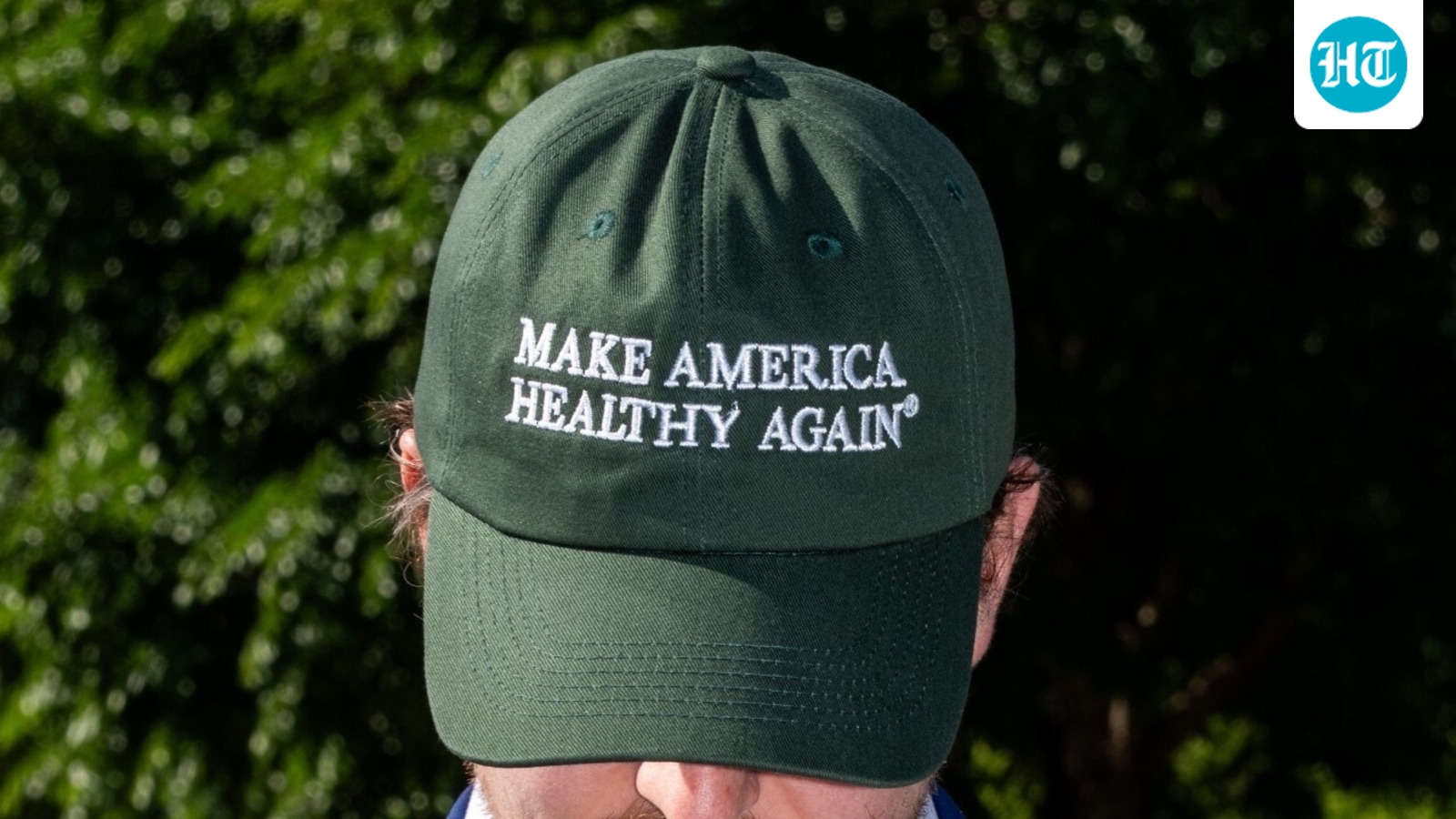
FORT WORTH, Texas — Leaders of the Make America Healthy Again movement had initially aimed to cement their coalition with the Make America Great Again movement by pledging to spend $100 million to assist Republican candidates in the upcoming midterm elections. While community support from the MAHA base may have played a critical role in President Trump’s 2024 victory across key swing states, that unified political momentum appears to be stalling.
Signs of the fracturing partnership were evident at a recent MAHA gathering at the Willard Hotel in Washington, where major donors expressed detachment from the midterm push. Mark Gorton, who contributed over $1 million to Robert F. Kennedy Jr.'s 2024 presidential campaign and is listed as co-president on the MAHA PAC website, questioned the significance of the upcoming vote, noting he prefers not to be heavily involved in politics.
The fragile nature of the alliance is compounded by the structural weaknesses within Kennedy’s political apparatus. Federal election filings and public statements indicate that allied MAHA super PACs and nonprofits have fallen far short of their financial promises, expending only about $4 million on candidate support since January 2025. Gorton, a registered Democrat who ultimately voted for Trump in 2024, has since directed his donations toward Democratic groups focused on road safety and local municipal races.
Activists and former campaign staffers point to a series of policy disappointments as the core driver behind the donor pullback. Jeff Hutt, a veteran of Kennedy’s presidential campaign, noted that many supporters felt let down by the administration's actions, including efforts to boost the production of the herbicide glyphosate for national security reasons. Additional points of friction cited by activists include foreign policy conflicts, the Centers for Disease Control and Prevention's ongoing recommendations regarding Covid vaccines, and reversals of previous environmental protections. The friction also led to high-level departures, such as top Kennedy adviser Calley Means resigning from the administration over corporate influence in food policy.
Despite the growing discontent, Kennedy defended the movement's trajectory, stating that the administration has made substantial strides on the health agenda over the past two years. However, the cooling enthusiasm among MAHA supporters presents a significant hurdle for Republicans facing competitive midterm races where control of both the House and Senate hangs in the balance.
Critics within and outside the administration have also faulted the leadership and operational focus of the allied super PACs and nonprofits, describing them as disorganized. Reports indicate that substantial funds have been diverted toward operating costs, including event catering, styling, and influencer fees, rather than direct electoral support. Meanwhile, events intended to bridge MAHA leadership and corporate executives drew criticism from grassroots health advocates and unease from White House officials over perceived corporate access.
Despite these headwinds, some Republican candidates continue to embrace the MAHA platform to galvanize voters in tight races. Texas Attorney General Ken Paxton, running in a highly competitive Senate race, has aligned his campaign with the health movement by targeting major drug and food companies through state-level investigations and lawsuits. Following initial organizational hurdles, the MAHA Action nonprofit announced a $1.3 million contribution to a PAC supporting Paxton, and Kennedy subsequently appeared at a Fort Worth rally to endorse the Texas Republican's campaign.