


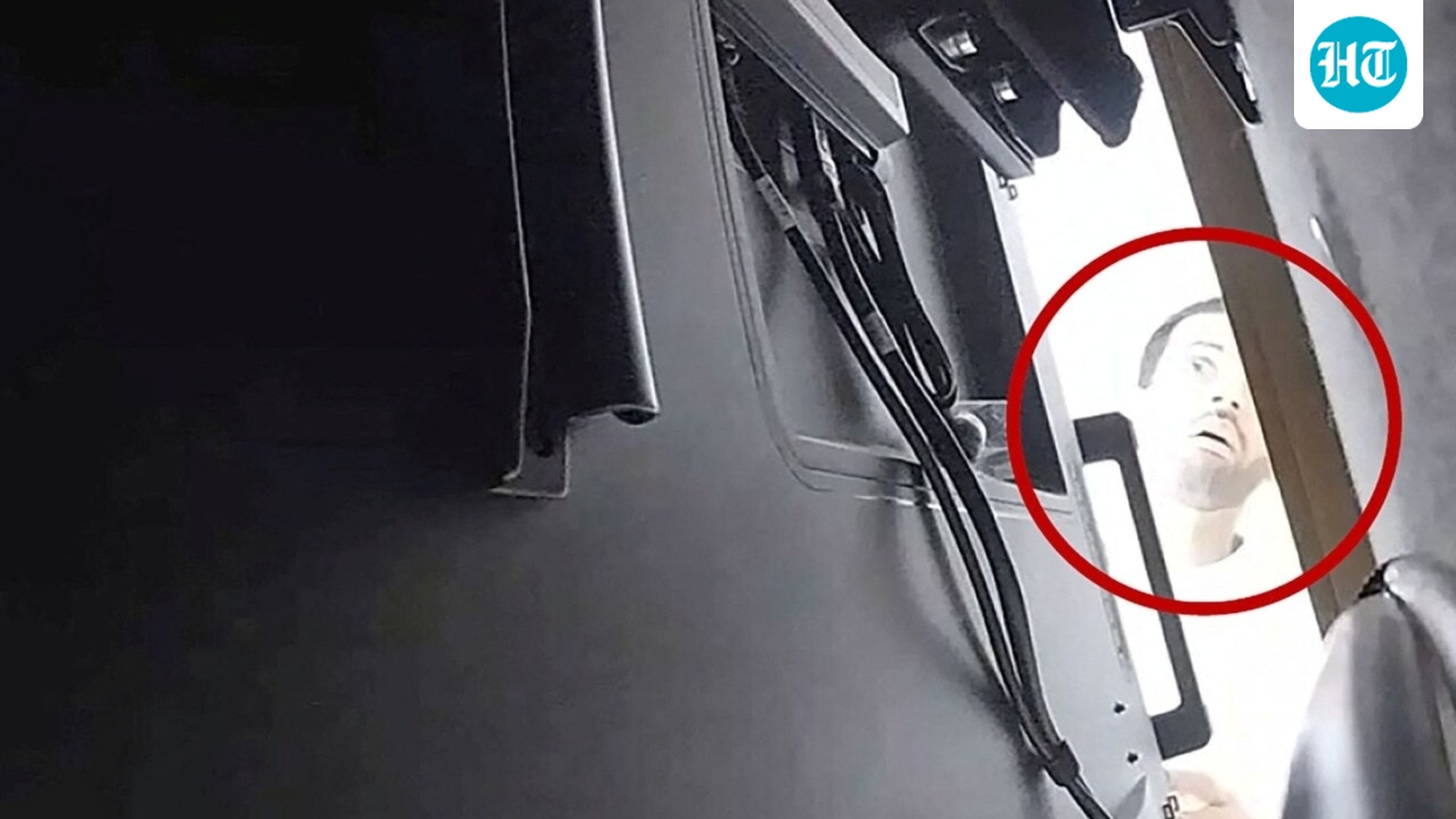
The Federal Bureau of Investigation is evaluating the possibility of bringing an economic espionage charge against Abdulrahman Alfozan, a former OpenAI engineer currently facing wiretapping allegations for allegedly bugging a restricted corporate conference room. According to a law-enforcement official, the ongoing probe focuses on whether Alfozan stole company data to offer to the Saudi government, regardless of whether he was formally recruited for such an effort.
William Pernik, an attorney representing Alfozan, stated that his legal team has not received official notification from the government regarding any new potential charges. He emphasized that his client intends to contest the allegations inside a court of law rather than through the media. Alfozan, a 35-year-old Saudi national and legal U.S. permanent resident who studied computer science at MIT and previously worked at Meta before joining OpenAI, was denied bail during an October hearing after a judge designated him a serious flight risk.
The charges stem from allegations that Alfozan wrapped a small circuit board and microphone in toilet paper, concealing the apparatus behind a wall-mounted television in an executive-level conference room. He faces a federal recording statute violation carrying a maximum prison term of five years, with his next court appearance scheduled for November 6. Representatives for OpenAI and the Saudi embassy in Washington declined to comment on the matter.
Investigators are exploring whether Alfozan committed offenses involving the theft of trade secrets alongside broader economic espionage inquiries, though authorities noted the probe may not ultimately yield additional counts. The case has heightened concerns regarding corporate security in Silicon Valley, where technology firms routinely warn employees about potential threats to proprietary information. Even if federal prosecutors pursue espionage charges, the case may not necessarily claim Alfozan acted on direct orders from the Saudi government, but rather that he intended to market collected data to them independently.
Court filings indicate that prosecutors noted Alfozan booked one-way airline tickets to Saudi Arabia via Istanbul in September for himself, his wife, and his infant son, ahead of a planned mid-October departure. Although Alfozan was arrested three days prior to the trip, his wife and child flew business class to Qatar shortly afterward using tickets that prosecutors said were purchased by a member of the Saudi military. Defense attorneys countered that the military official was a brother-in-law who did not utilize official funds, and noted that Alfozan frequently booked one-way travel.
Prosecutors also presented communications showing Alfozan maintained frequent contact via WhatsApp throughout 2025 and 2026 with an unnamed member of the Saudi royal family. According to court documents, the royal family member attempted to recruit Alfozan for a domestic artificial intelligence initiative, telling him that Saudi Arabia needed him more than the United States. Alfozan reportedly replied with a numeric acknowledgment while indicating he preferred to wait until his OpenAI stock vested. The last recorded communication occurred on October 5, the same day Alfozan allegedly returned to the conference room to retrieve the recording device—unaware that OpenAI security personnel had already discovered and removed it during a sweep.
During a recent court appearance, U.S. Magistrate Judge Alex G. Tse expressed concern over a letter submitted by the Saudi consulate in Los Angeles offering to cover the entirety of Alfozan's bail bond. Questioning whether a blank check arrangement presented a flight risk, the judge noted the problematic nature of the consulate's financial pledge. In a previously recorded podcast, Alfozan had recounted attending a 2016 Silicon Valley event where Saudi Crown Prince Mohammed bin Salman advised young tech workers to gain experience in the United States before returning home to apply their knowledge.