


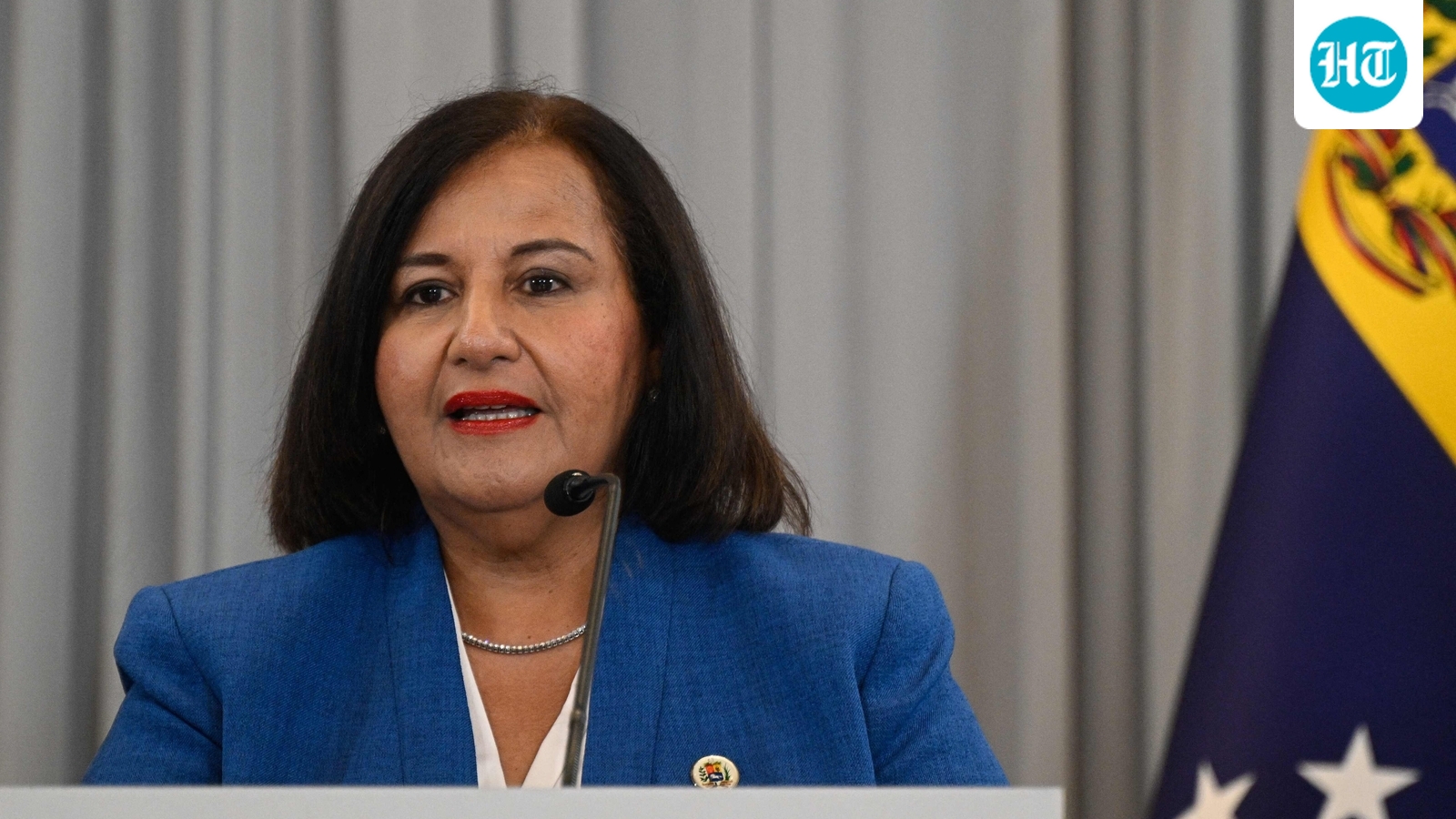
CARACAS — When Dinorah Figuera first sat down for talks on restoring democratic institutions, she faced one of the most powerful figures in the autocratic regime that had forced her into exile. The head of the opposition delegation recalled telling Jorge Rodríguez, a prominent loyalist of former leader Nicolás Maduro who leads the legislature and is the brother of interim President Delcy Rodríguez, that she was not afraid of him, especially given the backing of the United States.
Just six months prior, the 65-year-old doctor and former opposition lawmaker was working as a caregiver for elderly people in Spain to make ends meet after her home was seized, treason charges were filed against her, and a close political ally was tortured and killed in government custody. Her situation shifted when a senior State Department official called to recruit her for an unexpected assignment: return to Venezuela to negotiate a democratic transition with the very individuals who had driven her out.
Reflecting on the process during a recent interview in Caracas following the conclusion of a third round of negotiations, Figuera noted that nobody initially wanted to engage with these officials. The two sides have since taken preliminary steps toward judicial and political reforms, including easing restrictions on independent media and agreeing to review laws that limit political rights. While a timeline for presidential elections has not yet been established, Figuera relies on Washington's considerable leverage over former Maduro associates to push for a free vote.
Meanwhile, interim President Delcy Rodríguez has reasons to believe U.S. President Donald Trump favors her administration, following effusive public praise, smiling joint photographs, and sweeping oil agreements that lifted sanctions on top officials. Although Trump maintains that Venezuela will eventually hold elections, he has indicated no rush to see them happen immediately, highlighting the complexities of Washington's strategy to remake Venezuela without completely dismantling the existing governing apparatus.
Figuera expresses full confidence in the support of Secretary of State Marco Rubio, with whom she met in Washington earlier this month, noting that U.S. officials previously intervened to restart stalled talks when authorities cited distractions from earthquake relief. American officials maintain that the transition talks, with a fourth round scheduled for November, are yielding results and that cooperation with the interim government provides the foundation for future elections.
U.S. financial and strategic backing includes covering travel, hotel accommodations, and per diem expenses for the opposition delegation, alongside helping design the negotiating framework. Although Figuera acknowledges that the American decision to keep leaders like Rodríguez in power was initially shocking, she accepts the pragmatism of the approach given the opposition's lack of control over the military and state institutions.
This position carries domestic political risks. A poll conducted by Meganalisis last month showed that more than 80 percent of respondents distrusted the talks and doubted they would benefit from them. Critics also raised concerns after state television broadcast footage of Figuera meeting Delcy Rodríguez at the presidential palace, arguing that the encounter played into the hands of the ruling administration.