


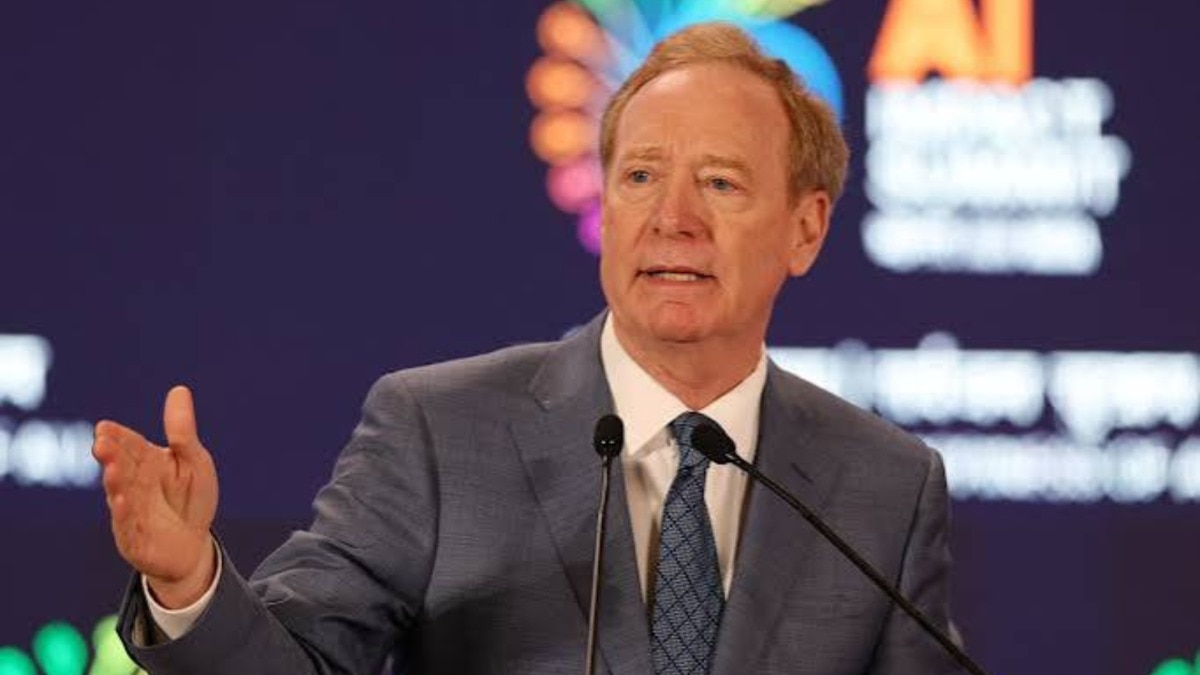
The rapidly expanding artificial intelligence sector currently operates with fewer safety restrictions than standard consumer goods, according to Microsoft President Brad Smith. In a recent interview, Smith highlighted the regulatory disparity by noting that basic household items and grocery store products face far more rigorous oversight and inspection than powerful AI architectures.
Describing artificial intelligence as both a powerful tool and a potential weapon, Smith stressed that immediate government intervention is necessary. He pointed out that regulatory frameworks already exist for physical products, suggesting that authorities should adapt those established safety templates to software systems. To manage potential emergencies, Smith proposed the implementation of emergency braking mechanisms, commonly known as kill switches, which would allow operators to pause or slow down runaway AI programs.
In addition to operational safeguards, Smith advocated for legal mandates requiring technology firms to submit formal incident reports and notify affected parties if a system is breached by rogue artificial intelligence agents. This call for strict legislative oversight contrasts with approaches favoring industry self-regulation, which proponents argue is necessary to prevent domestic firms from falling behind foreign competitors in the global technological race.
While acknowledging that major American tech companies recently signed voluntary audit agreements during a White House summit, Smith maintained that voluntary measures alone are inadequate. He emphasized that while responsible corporations will comply voluntarily, mandatory rules are essential for addressing the actions of reckless actors. Furthermore, Smith suggested that the United Kingdom is uniquely positioned to lead the development of global safety standards due to its technical expertise and the influence of its AI Security Institute, noting that Washington might accept standards established in London more smoothly than directives from Brussels.
Warning that unchecked artificial intelligence models could jeopardize global digital infrastructure and escape human oversight, Smith concluded that the moment for decisive international action has arrived. He emphasized that humanity can fully harness the benefits of artificial intelligence only through coordinated global efforts to keep major risks under permanent control.