


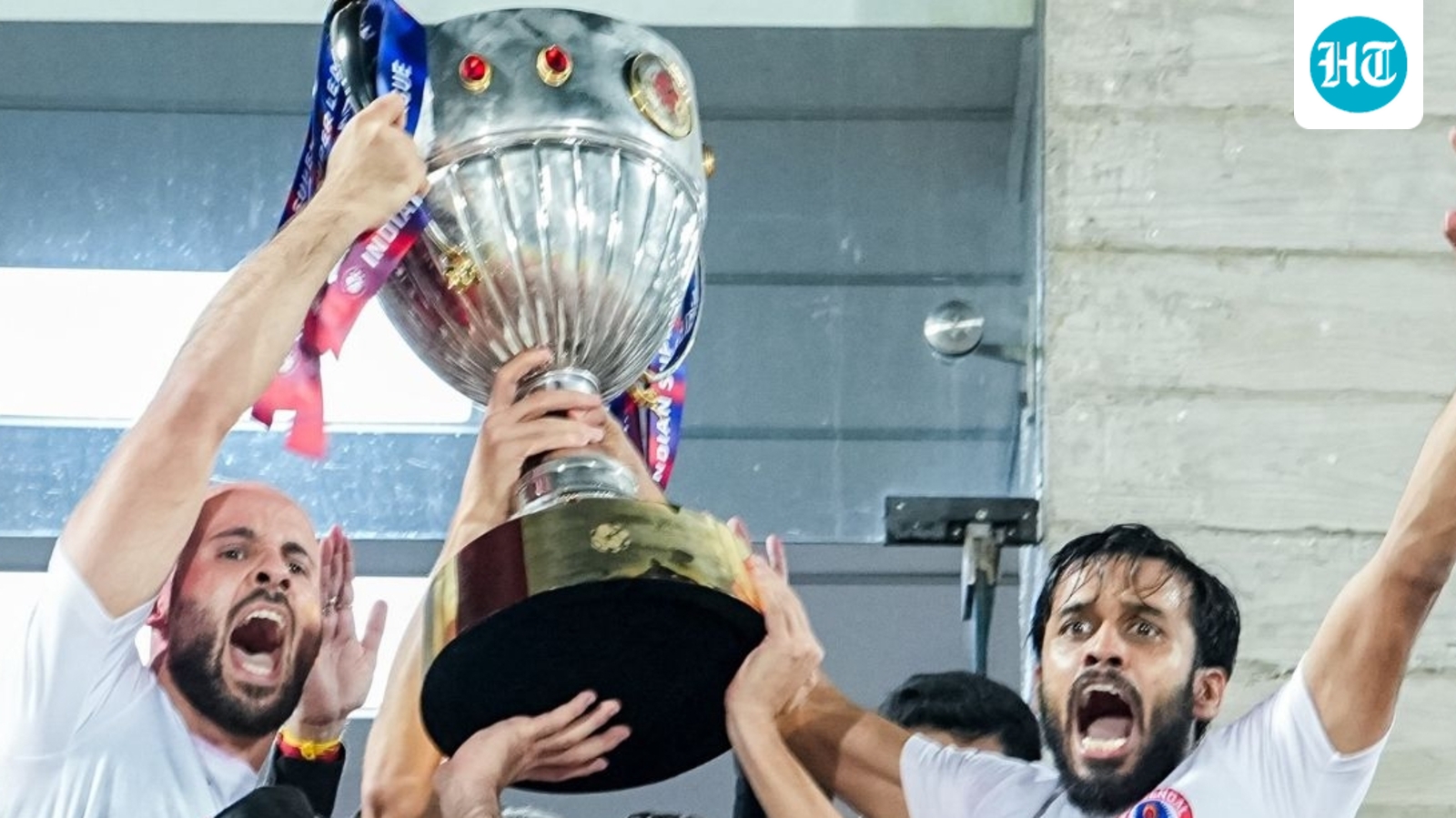
As the Indian Super League reaches its thirteenth season, the competition is entering a transformative period with participating clubs directly taking charge of operations. Early preparations have proceeded smoothly, though officials acknowledge that the true test of this new management model is just beginning.
The season kicks off with weekend-heavy scheduling, with roughly 70 percent of matches leading up to the January 17 conclusion of the first phase slated for Saturdays and Sundays. This scheduling adjustment stems from an online fan survey that drew nearly 8,500 participants.
Clubs have also responded to recommendations regarding increased participation for Indian players. Punjab FC has promoted 10 academy graduates to its senior squad, while FC Goa registered 10 under-23 Indian players, well above the league's minimum requirement. To further emphasize domestic talent and cost management, several teams have appointed local coaches, including FC Goa naming Gouramangi Singh as their first-time full-time Indian coach.
Off the pitch, structural and financial shifts are redefining the league's operations. After a multi-year gap, the ISL has secured a title sponsor with assistance from club owners, and matches will be broadcast free on YouTube for the first time. Additionally, clubs have secured approximately 29 crore rupees through the title sponsor and a two-year data rights deal valued at roughly 15 crore rupees per season. League officials estimate that conducting the 163 matches will require around 36 crore rupees.
This shift in governance occurred after previous commercial agreements ended and a new partnership with a sports data and technology company did not move forward. Prompted by sports ministry encouragement, the All India Football Federation and the clubs collaborated on a transitional half-season before moving to full operational control for the current home-and-away campaign.
Management duties are now guided by an ISL management committee and a governing council that includes club owners and federation leadership. While acknowledging that running the league involves learning on the job, club executives emphasize that the collaborative approach has bolstered corporate confidence in Indian football.
On the field, teams face varying degrees of match readiness. While several squads participated in pre-season tournaments like the Durand Cup and the IFA Shield, others experienced delayed preparations due to administrative constraints. Meanwhile, the upcoming campaign is widely anticipated to be the final season for veteran star Sunil Chhetri, who noted the continued drive of competing for a first-team place.