


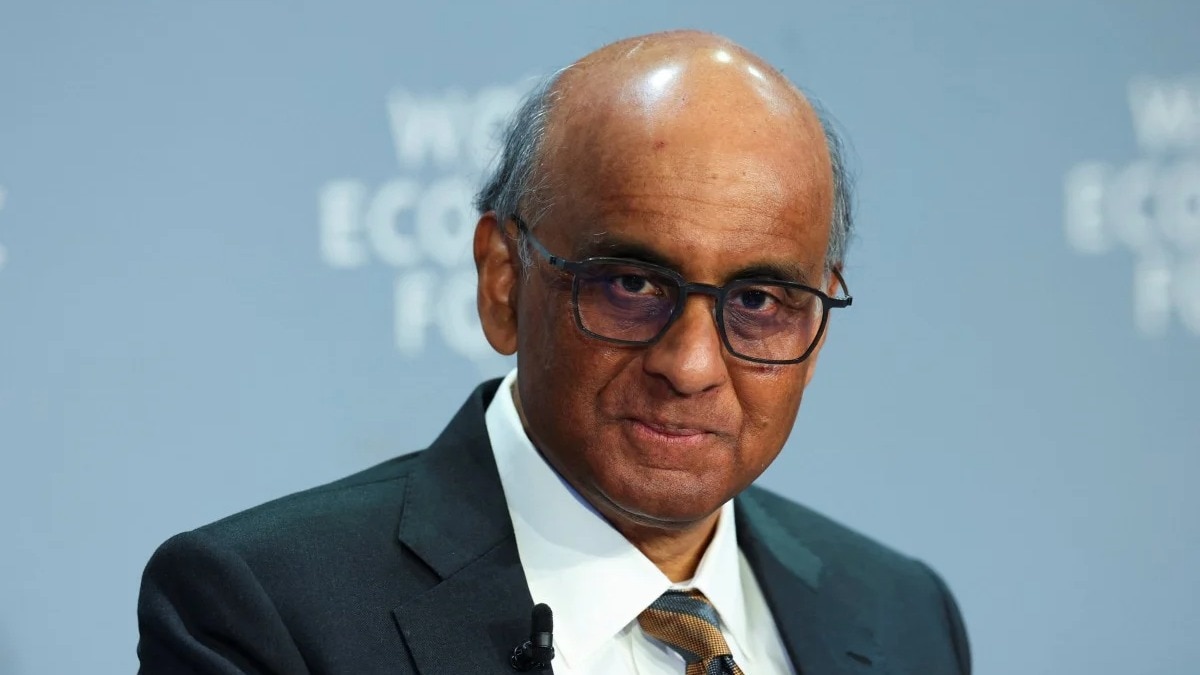
New Delhi: Your degree may still hold value, but the traditional job you expected to secure after graduation could be transforming or vanishing before you even have the chance to apply. That is the prominent concern Singapore President Tharman Shanmugaratnam raised during the IMF and World Bank annual meetings in Bangkok, highlighting that demand for university graduates is weakening, especially in sectors heavily exposed to artificial intelligence.
Addressing the emerging crisis at the first rung of the career ladder, Shanmugaratnam noted that employment entry points are seeing diminished demand as automation takes hold. This trend raises an uncomfortable question for students worldwide: if artificial intelligence can efficiently handle tasks once assigned to junior staff, where will new graduates acquire the hands-on experience necessary to develop into skilled professionals?
This perspective mirrors anxieties previously voiced by central bank officials and financial sector leaders regarding routine analysis and preparatory labor. As technology changes how junior workers learn the ropes, the primary worry extends beyond merely fewer entry-level positions to the potential loss of foundational work that historically groomed future senior leaders.
For millions of Indian graduates entering competitive fields like information technology, finance, consulting, and marketing every year, these developments carry significant weight. Entry-level personnel traditionally begin their careers with research, foundational coding, data processing, documentation, and routine analysis—functions that modern artificial intelligence tools can increasingly automate or accelerate.
While this shift does not automatically mean entire job categories will vanish overnight, employers may choose to hire fewer freshers, demand higher baseline capabilities from day one, or entirely restructure roles around enhanced productivity tools. International research indicates that artificial intelligence is already handling a notable share of entry-level workloads globally, with figures in India slightly exceeding the worldwide average.
Despite these technological pressures, local recruitment metrics show resilience. Recent employment data reflects year-on-year increases in fresher hiring and broader white-collar recruitment across various sectors, indicating that the job market is adapting rather than collapsing.
Shanmugaratnam also cautioned that rapid technological disruption risks widening the economic divide between advanced and developing nations. The primary danger moving forward is that companies might begin expecting fresh graduates to possess practical judgment and expertise that were previously forged through years of actual on-the-job experience.
The immediate challenge for emerging economies is understanding the evolving nature of fresher hiring, the specific roles available, and shifting recruiter expectations. Ultimately, the true test will be whether new graduates can secure that critical initial opportunity to learn and grow, ensuring artificial intelligence enhances human productivity without entirely eliminating the pathways to professional success.