


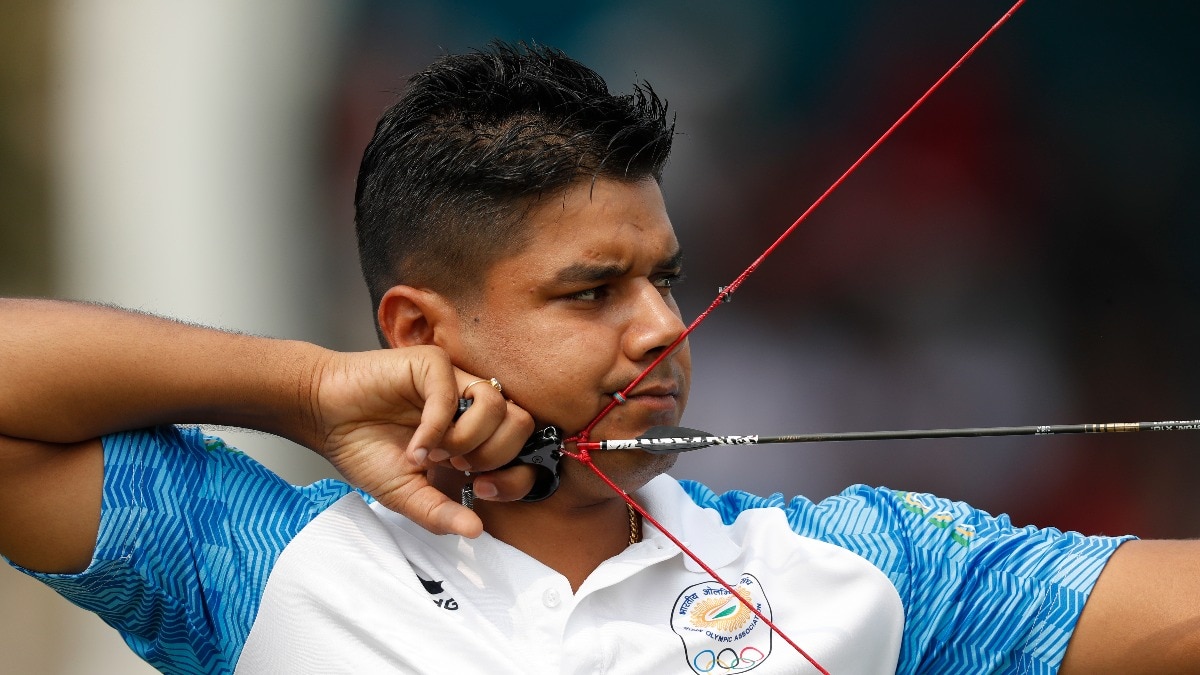
Hyderabad — India's prominent compound archer Abhishek Verma is determined to fight his way back into the national setup after missing out on selection for the recent Aichi-Nagoya Asian Games, setting his sights firmly on the 2028 Los Angeles Olympics and the 2030 Commonwealth Games on home soil.
While Verma missed what would have been his fourth consecutive appearance at the Asian Games, India secured a historic milestone by capturing the country's first Olympic quota in compound archery during the event. Sahil Jadhav and Chikitha Taniparthi clinched the mixed team gold to secure the Olympic berth, while the nation also triumphed in the men's and women's team competitions.
The 37-year-old veteran admitted that sitting out the continental event was disappointing, though he drew satisfaction from watching younger athletes he has mentored succeed on the big stage. Because Olympic quota places belong to the country rather than individual athletes, a final trial closer to the Games will determine the roster. Verma believes having the qualification secured removes immediate pressure and allows an eighteen-month window to fine-tune combinations.
Having accumulated five medals, including two gold, across three previous Asian Games appearances alongside multiple World Cup honors, Verma maintains a strong drive to compete at the highest level. He intends to participate actively in upcoming selection trials and maintain peak performance.
India's dominant performance at the Asian Games—where the nation topped the standings with nine total medals, including five gold—has reinforced Verma's confidence in the nation's broader archery prospects. With compound archery featuring a mixed team event and recurve disciplines offering multiple medal opportunities, he projects that India could capture two or three medals in archery at the Los Angeles Games.
Even outside the active roster, Verma has continued to support the squad by informally mentoring younger talents like Chikitha, sharing insights derived from years of experience and his own scoring consistency. Looking ahead to the Olympic cycle, he also emphasized the importance of developing robust mixed team pairings and chemistry for future selection frameworks.